Xbox is entering one of the most consequential summers in its modern history, a season defined not by game releases but by structural change. Across a series of interviews, internal memos, and early reporting, a picture has emerged of a platform confronting the limits of its current strategy. Game Pass is being reshaped, the console business model is being questioned at its core, and major layoffs are scheduled for July. Together, these developments signal a company preparing for a reset rather than a continuation of the status quo.
A Subscription Service in Recovery: Game Pass Prepares for a Summer Overhaul
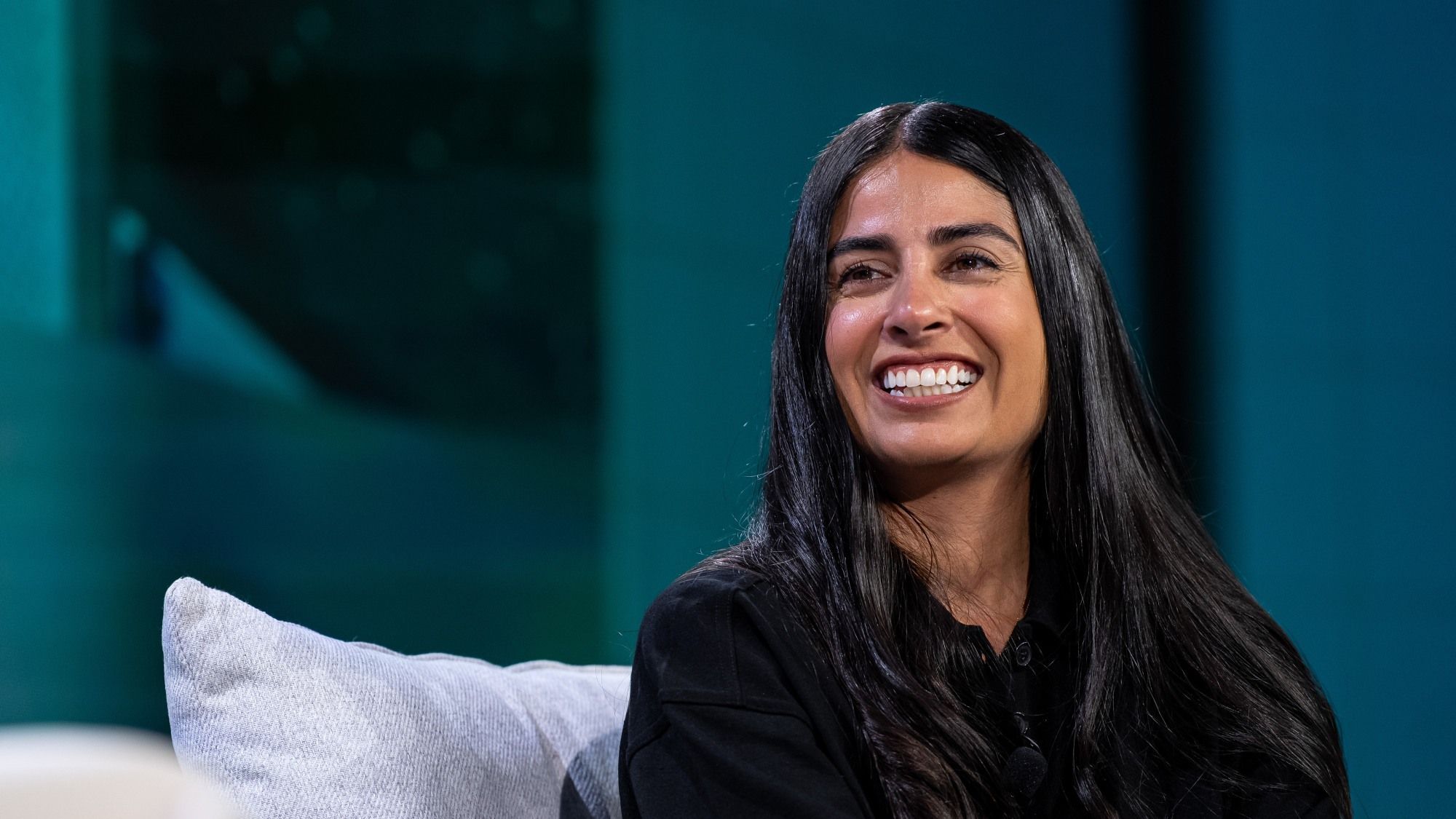
The first major shift comes through Game Pass, a service that has long served as Xbox’s identity and differentiator. After a turbulent year marked by a steep price hike and a subsequent drop in subscribers, CEO Asha Sharma has acknowledged that the service must evolve. In a recent Fortune Conversations interview, she confirmed that more flexible Game Pass offerings will arrive this summer. Her comments reflect a recognition that the subscription model, once seen as the future of gaming, must now adapt to a fragmented audience with different budgets and expectations. The introduction of the Starter Edition earlier this year was only the beginning. Xbox is now preparing to offer a broader range of options, allowing players to tailor their subscriptions rather than commit to a single, monolithic tier. It is a strategic pivot that suggests Xbox is no longer betting on uniformity but on personalization.
2026: The Year the Console Business Model Breaks Open
Yet the most striking comments from Sharma were not about subscriptions but about hardware. In a separate interview, she hinted that the traditional console business model may not survive the next generation. Rising component costs—particularly in storage and memory, which she says have increased fivefold in just two years—have made it increasingly difficult to produce high‑performance hardware at mass‑market prices. Sharma described the current model as unsustainable, noting that it is unreasonable to expect consumers to spend thousands of dollars on new hardware every cycle. Her remarks point toward a future where Xbox may explore alternative approaches, whether through modular systems, subsidized hardware, or entirely new ecosystem strategies. She suggested that these “radically different business models” could begin appearing as early as late 2026, setting the stage for a generational shift unlike anything the console market has seen in decades.
The Hard Reset: Major Layoffs Coming in July
But the most sobering development is the one that affects the people behind the platform. According to reporting from Bloomberg’s Jason Schreier, Xbox is preparing for major layoffs in July, timed to follow the end of Microsoft’s fiscal year. An internal memo from Sharma and CCO Matt Booty outlines the reasons with unusual candor. Xbox’s accountability margin has fallen to just three percent. The company has spent more than twenty billion dollars on content, platform development, and hardware subsidies over the past five years, yet revenue has declined by nearly half a billion dollars. The memo also acknowledges that Xbox expanded its studio system faster than it could sustainably support, and that its technical infrastructure has become too complex and too dependent on external vendors. Rising hardware costs have only intensified the strain, making it difficult to manufacture consoles at the scale and price points the market demands.
Despite the grim financials, the memo also highlights early signs of progress. Xbox has shipped more platform updates in the past hundred days than in the previous year. Game Pass has returned to growth following the price correction. The company is preparing a stronger slate of exclusives, including Gears of War: E‑Day and Clockwork Revolution. And the leadership team has renewed its focus on community feedback through initiatives like Player Voice. These improvements, however, are framed as the first steps in a five‑year plan to rebuild the platform’s foundation.
Taken together, these developments reveal a company at a crossroads. Xbox is not collapsing, but it is shedding the remnants of a strategy that no longer fits the realities of 2026. The brand is rethinking its subscription model, reimagining its hardware philosophy, and restructuring its internal operations in an attempt to regain stability and relevance. Sharma’s leadership marks a shift in tone and tempo—more direct, more urgent, and more willing to make difficult decisions.
The coming months will determine whether this transformation becomes a revival or a reckoning. What is clear is that Xbox is no longer content to adjust around the edges. It is preparing to rebuild the platform from the inside out, and the industry will feel the impact long before the next generation of hardware arrives.