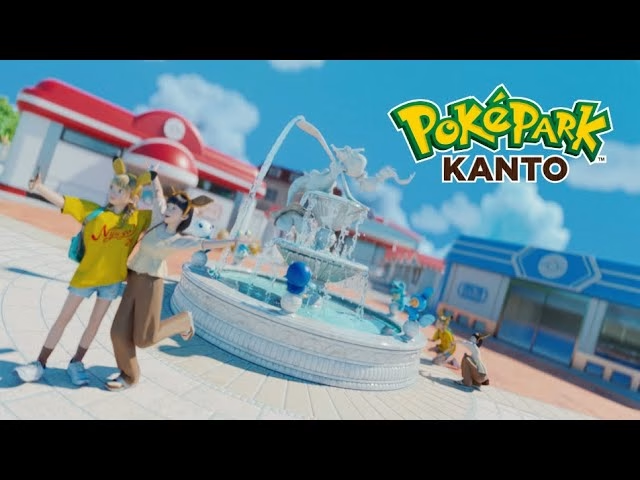
Nintendo has steadily expanded into physical entertainment spaces, from temporary Pokémon parks in the 2000s to the globally recognized Super Nintendo World zones at Universal Studios. The upcoming PokéPark Kanto marks the first permanent Pokémon theme park, reflecting Nintendo’s long-term strategy to transform its IP into immersive, real-world experiences.
1. Early Experiments: Pokémon & Temporary Attractions
- PokéPark 2005 (Nagoya, Japan): Nintendo tested the waters with a temporary Pokémon-themed park featuring rides, interactive zones, and merchandise. It was popular but closed after a year, showing both the potential and challenges of sustaining such ventures.
- PokéPark Taipei & Other Exhibitions: Smaller, temporary Pokémon attractions appeared internationally, often tied to anniversaries or promotional events. These served as cultural touchpoints but lacked permanence.
2. The Big Leap: Super Nintendo World
- Universal Studios Japan (2021): Nintendo partnered with Universal Parks & Resorts to launch Super Nintendo World, a fully immersive zone themed around Mario. Attractions like Mario Kart: Bowser’s Challenge and interactive Power-Up Bands brought gaming mechanics into real life.
- Global Expansion: Following Japan, Super Nintendo World opened in Hollywood (2023) and is planned for Orlando and Singapore. This marked Nintendo’s first sustained, global push into theme parks.
3. Pokémon Centers & Retail Spaces
- Pokémon Centers (Japan & abroad): These retail hubs became cultural landmarks, blending shopping with interactive experiences. They reinforced Pokémon’s physical presence beyond games.
- Nintendo Stores (NYC, Tokyo): Flagship stores offered branded merchandise, demo stations, and event spaces, acting as mini theme parks in urban settings.
4. Strategic Evolution: From Consoles to Transmedia
- Nintendo’s shift reflects a transmedia strategy—expanding IP beyond consoles into films (The Super Mario Bros. Movie), merchandise, and parks.
- By creating multi-sensory experiences, Nintendo ensures its franchises remain relevant across generations, not just through screens but through physical immersion.
🌟 PokéPark Kanto: Why It Matters
- First Permanent Pokémon Theme Park: Unlike the 2005 experiment, this park is designed for longevity, signaling confidence in Pokémon’s enduring global appeal.
- Cultural Resonance: Pokémon is arguably Nintendo’s most universal brand, making a permanent park a natural next step.
- Synergy with Other Ventures: It complements Super Nintendo World and Pokémon Centers, creating a layered ecosystem of physical experiences.
Nintendo’s efforts in theme parks and physical facilities are about legacy building. By anchoring its IP in real-world spaces, it ensures that Mario, Pokémon, and other franchises aren’t just digital icons but cultural landmarks. The upcoming PokéPark Kanto is the culmination of two decades of experimentation, partnerships, and brand expansion.