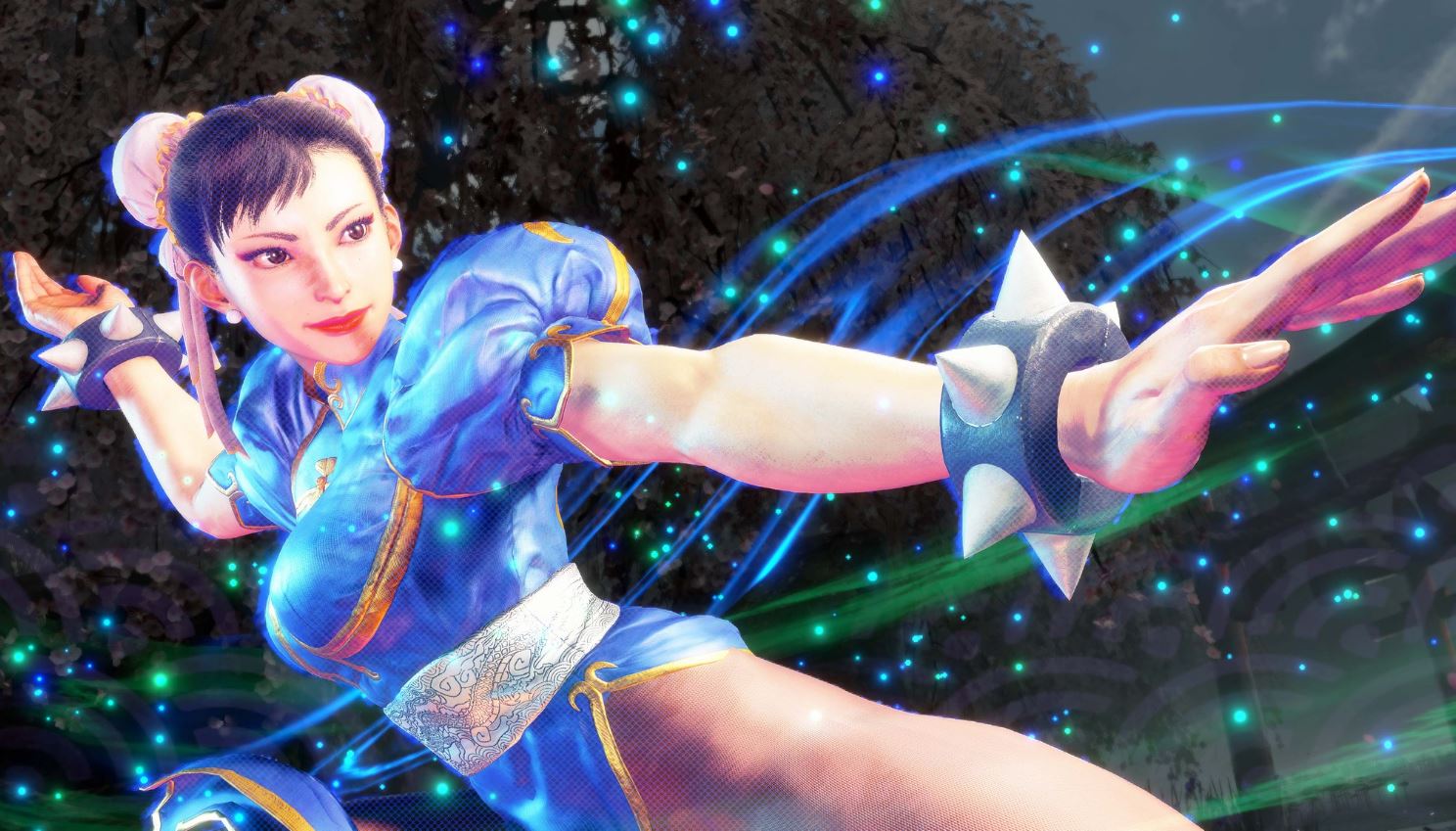
Saudi Arabia has taken another decisive step in its long‑running push into the global video game industry, quietly securing a fresh 5% stake in Capcom — the Japanese publisher behind Resident Evil, Monster Hunter, and Street Fighter. The purchase was made through the Electronic Gaming Development Company (EGDC), an investment arm founded by Crown Prince Mohammed bin Salman and operating under the Misk Foundation.
The acquisition, totaling 26,788,500 Capcom shares, gives EGDC approximately 5.03% ownership of the company. While Saudi Arabia’s Public Investment Fund (PIF) already bought a separate 5% stake in Capcom back in 2022, this new transaction is described as independent from that earlier move — effectively doubling the kingdom’s influence over one of Japan’s most storied game publishers.
A Strategic Investment Framed as “Pure Profit”
According to reporting from Gamebiz, the EGDC’s purchase is being positioned as a “pure investment”, with the stated goal of generating returns through capital gains and dividends rather than exerting creative or managerial control.
This framing mirrors the language Saudi officials have used in recent years as the kingdom has poured billions into gaming, esports, and entertainment — part of a broader modernization effort under the Vision 2030 initiative.
Still, the scale and pattern of these acquisitions suggest a deeper strategic ambition: to secure a long‑term foothold in the global entertainment economy and diversify away from oil dependency.
A Growing Portfolio of Japanese Studios
This is not EGDC’s first major move in Japan. The same investment entity acquired 96% of SNK in 2022, effectively taking full control of the developer behind The King of Fighters and Fatal Fury.
Combined with the PIF’s earlier Capcom stake, Saudi Arabia now holds over 10% of Capcom when both investments are considered — though again, they are technically owned by separate entities.
Japan’s gaming sector has historically been cautious about foreign ownership, but the kingdom’s steady, incremental approach has allowed it to accumulate significant positions without triggering regulatory pushback.
Saudi Arabia’s Global Gaming Ambitions
The Capcom purchase is only one piece of a much larger puzzle. Saudi Arabia has spent the last several years aggressively expanding its gaming footprint, targeting both publishers and esports organizations.
The most dramatic example is the proposed acquisition of Electronic Arts, a deal valued at $55 billion that, if completed by mid‑2026, would give the Public Investment Fund a staggering 93.4% ownership of the company.
Such moves signal a clear intent: Saudi Arabia wants to become a dominant force in the global gaming economy, not just a passive investor.
A Controversial Expansion
Despite the financial logic behind these acquisitions, Saudi Arabia’s growing presence in gaming continues to spark debate.
International human rights organizations have repeatedly criticized the kingdom for its treatment of journalists, activists, and LGBTQ+ individuals. The Crown Prince himself has been accused by U.S. intelligence agencies of ordering the murder of journalist Jamal Khashoggi — allegations he denies.
These concerns have led to public backlash whenever Saudi‑backed entities attempt to partner with Western gaming companies or esports leagues. Critics argue that the investments amount to “reputation laundering,” while supporters claim they represent a legitimate economic diversification strategy.
What This Means for Capcom
For Capcom, the immediate impact is likely minimal. A 5% stake does not grant board control or voting dominance, and the company has been performing exceptionally well on its own terms, with Resident Evil, Monster Hunter, and Street Fighter all experiencing major commercial revivals.
However, the acquisition does raise long‑term questions:
- Will Saudi Arabia continue increasing its stake?
- Could this influence future partnerships, esports initiatives, or global expansion strategies?
- And how will Japanese regulators respond if foreign ownership continues to climb?
For now, Capcom remains independent — but the kingdom’s growing presence in its shareholder base is impossible to ignore.
A Signal of What’s Coming Next
Saudi Arabia’s latest investment underscores a clear pattern: the kingdom is not slowing down. Whether through EGDC, the Misk Foundation, or the Public Investment Fund, it is steadily assembling a portfolio that spans the entire gaming ecosystem.
Capcom is simply the newest piece of a much larger, rapidly evolving strategy — one that is reshaping the global gaming landscape in real time.