
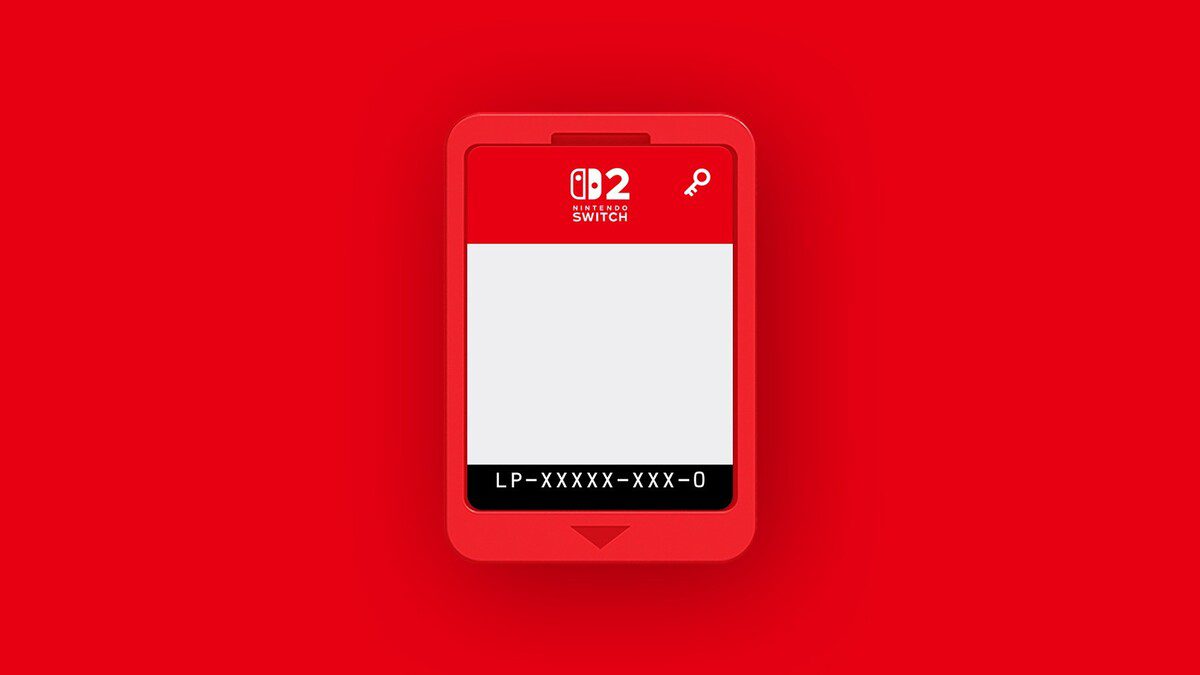
Nintendo’s latest statement makes one thing clear: the company is not abandoning physical games. But beneath that reassurance lies a growing tension — the rise of Game‑Key Cards, a hybrid physical‑digital format that has created a gray area in what “physical media” even means on Nintendo platforms. While sharing the latest, we break down Nintendo’s stance, the industry context, and why Game‑Key Cards have become one of the most controversial shifts in modern gaming.
Nintendo Reaffirms Its Commitment to Physical Games
Nintendo recently reiterated that it has no plans to ditch physical releases, emphasizing that fans deeply value cartridges and boxed games. This aligns with the company’s long-standing identity: Nintendo hardware has always been closely tied to tangible media, from NES carts to Switch game cards.
But the reassurance comes at a time when the broader industry is rapidly moving away from physical formats:
- Sony is ending disc support in 2027.
- Grand Theft Auto VI will ship physically as a code‑in‑a‑box.
- Xbox is reportedly scaling back physical distribution.
Nintendo’s message is clear: traditional cartridges aren’t going anywhere for first‑party titles. But the company also acknowledges a new reality — one driven by cost, storage limitations, and publisher demand.
The Rise of Game‑Key Cards: A New, Confusing Middle Ground
Game‑Key Cards emerged with the Switch 2 as a compromise format. They look like normal cartridges, slide into the console the same way, and come in standard retail packaging — but they do not contain the game’s data. Instead, they store a cryptographic license key that triggers a full download from Nintendo’s servers.
How They Work
- Insert the card → the console prompts a full download.
- After installation, the card must remain inserted to authenticate ownership.
- No continuous internet is required after the initial download.
- The card is not tied to a Nintendo Account, so it can be resold or lent.
This makes Game‑Key Cards functionally similar to a physical dongle — a token that proves you own the game, but doesn’t actually contain it.
Why Game‑Key Cards Exist
Publishers have been struggling with the economics of physical media:
- Switch 2 cartridges max out at 64 GB, and larger capacities are expensive.
- Many modern games exceed that limit.
- Flash memory prices have risen, making full cartridges costly to manufacture.
- “Code‑in‑a‑box” releases were wasteful and unpopular — Game‑Key Cards are a more durable alternative.
Nintendo’s own first‑party games still ship on full cartridges, but third‑party publishers — especially those releasing large ports like Elden Ring: Tarnished Edition — have embraced Game‑Key Cards to cut costs.
The Gray Area: Are Game‑Key Cards Really Physical Games?
This is where the controversy intensifies.
1. They blur the definition of “physical media.”
Collectors argue that a physical game should contain the game itself. Game‑Key Cards break that expectation, offering a box and a cart that function more like a license token.
2. They rely on Nintendo’s servers.
If Nintendo ever shuts down Switch 2 download servers, Game‑Key Cards become inert — a preservation nightmare. Traditional cartridges avoid this problem entirely.
3. They maintain resale value — but only partially.
Unlike code‑in‑a‑box releases, Game‑Key Cards can be resold. But their long‑term value depends on server availability and consumer trust.
4. They create consumer confusion.
Nintendo has had to clearly label Game‑Key Card packaging because many players assume they’re buying a traditional cartridge. The difference isn’t obvious at a glance.
5. They shift responsibility to the player.
Players must manage storage, downloads, and internet access — tasks that physical cartridges traditionally avoided.
Nintendo’s Survey: Testing the Waters
In April 2025, Nintendo sent a targeted survey to Japanese Switch 2 owners asking specifically about Game‑Key Cards — a rare move for the company. The questions focused on:
- Player sentiment
- Confusion around the format
- Concerns about storage and downloads
- Long‑term preservation worries
This indicates Nintendo is not fully committed to the format and is actively evaluating whether Game‑Key Cards should remain part of its strategy.
Why Fans Are Divided
Pros
- Cheaper for publishers
- Allows physical resale
- Reduces waste compared to code‑in‑a‑box
- Maintains a physical presence on store shelves
Cons
- Not true physical media
- Requires internet for initial download
- Dependent on Nintendo’s servers
- Confusing for consumers
- Undermines preservation and collector value
The Future: Physical Games Aren’t Dying — But They’re Changing
Nintendo’s stance is firm: first‑party games will continue to ship on full cartridges, preserving the traditional physical experience.
But the industry is shifting, and Game‑Key Cards represent a transitional format — one that tries to balance physical ownership with digital distribution realities.
The likely future:
- Nintendo keeps physical alive, especially for its own titles.
- Third‑party publishers increasingly adopt Game‑Key Cards for large games.
- Collectors face a fragmented landscape where “physical” can mean multiple things.
- Preservationists raise alarms about long‑term access.
Nintendo isn’t ditching physical games — but the definition of “physical” is evolving, and Game‑Key Cards sit squarely in the gray zone between tradition and digital convenience.
