
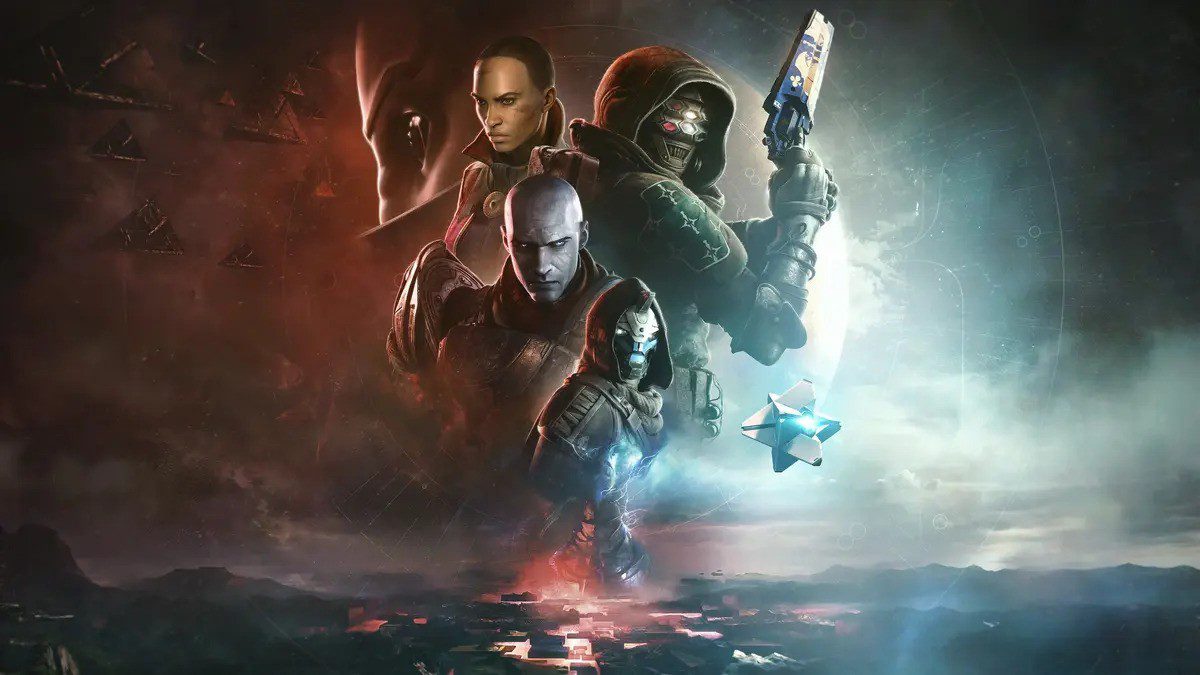
Bungie’s October 2026 community update, paired with reporting from Insider Gaming, outlines a future where Destiny 2 is slowly reforged into the complete experience it once promised, while Marathon’s troubled launch becomes a cautionary tale shaping Bungie’s new philosophy. What emerges is a studio openly acknowledging its missteps, recalibrating its priorities, and committing to a years‑long rebuild of both its flagship universe and its newest IP.
Destiny 2: The Long Road Back to Wholeness
The update makes one thing clear: unvaulting is not a marketing beat—it’s a repair job. Bungie admits that removing core campaigns and destinations “broke faith” with players, fragmenting the game’s identity and erasing years of shared history. The studio now frames unvaulting as the first step in a trust‑reset, not a content drop.
The plan is massive. Bungie will restore the Red War, Curse of Osiris, Warmind, and Forsaken campaigns—along with their strikes, raids, and raid lairs—available to all players. The Menagerie returns with updated rewards, and the studio is exploring stretch‑goal restorations like free‑roam destinations, seasonal activities from Sundial through The Coil, raid weapon modernization, and vaulted PvP maps.
But the timeline is sobering. Bungie received its first greenlight in June 2026, validated the scope in September, and is now in pre‑production until early 2027. Full production will take roughly 12 months, placing the earliest possible completion in early 2028—a date Insider Gaming independently corroborates.
This is not a quick turnaround. It’s a year‑long rebuild of foundational systems—lighting, encounters, combatant logic, and destination infrastructure—because Destiny 2’s engine has evolved significantly since Beyond Light.
Bungie is also incubating two additional Destiny projects:
- Destiny 2 Celebration, aimed at current players
- Destiny Legacy, a long‑term archival and storytelling initiative
A third project remains redacted. Updates on the first two are expected in February 2027.
No Destiny Announcement at The Game Awards
The studio is managing expectations aggressively. Bungie states plainly: “Don’t expect us to make a Destiny announcement at The Game Awards this year.”
This is a deliberate shift away from hype cycles. Bungie is refusing to use major stages for promises it cannot deliver quickly. Instead, communication will come through slower, more transparent studio updates—like the October Q&A with dmg04 and Josh Deane.
Why Bungie Is Doing This Now
The months leading up to Monument of Triumph were described internally as “as difficult a time as we’ve ever experienced.” Layoffs, restructuring, and the perception that Destiny was being abandoned created a crisis of confidence. But community response—players rallying, sharing memories, and refusing to let the universe die—pushed Bungie to reconsider.
The studio now frames unvaulting as a symbolic act: Restoring Destiny’s past to rebuild its future. Not just content, but identity.
Marathon: The Other Half of Bungie’s Reckoning
Marathon’s role in this story is crucial. Bungie openly acknowledges that the extraction shooter “did not reach as many players as hoped.” The game’s launch was rocky, its vision unclear, and its identity overshadowed by Destiny’s legacy. But instead of abandoning Marathon, Bungie is reframing it.
The studio plans to evolve Marathon beyond its original genre constraints into a deeper survival experience—anchored in what made its world compelling but expanded to support:
- cooperative PvE
- competitive PvP
- hybrid PvPvE tension
Future updates include the Nightfall Refresh, the Symbiosis update, and a new Dev Insight video planned for December.
This pivot is not just about Marathon—it’s about Bungie learning from its mistakes. The studio admits it “chased visions without enough focus on what players loved,” and Marathon became a symbol of that disconnect.
By evolving Marathon and restoring Destiny, Bungie is attempting to heal the rift between its two communities. Supporting Marathon, Deane says, helps “finish the fight” for Destiny’s future.
The Backstory: How Bungie Reached This Crossroads
Destiny 2’s final major update in June 2026 was widely interpreted as the end of the franchise. Weeks later, Sony confirmed significant layoffs—292 workers—impacting most of the Destiny team and parts of Marathon’s staff.
The studio was forced to confront a painful truth: Removing vaulted content and shifting focus to Marathon had damaged trust, fractured the community, and destabilized Bungie’s identity.
The October update is Bungie’s mea culpa. A public acknowledgment of missteps. A commitment to rebuild. A promise to earn trust through actions, not announcements.
What This Means for Destiny’s Future
Destiny is not dead. It is being reforged slowly, deliberately, and with a level of transparency Bungie has rarely shown. The unvaulting is the foundation for whatever comes next—whether that’s new stories, new games, or a reimagined Destiny 3.
But the timeline is long. The work is difficult. And Bungie is refusing to rush as it is evident that there will be no Game Awards reveal. No surprise expansion. No flashy trailer.
Just the slow restoration of a universe players refused to let die.
What This Means for Marathon’s Future
Marathon is not being abandoned—it’s being reshaped. Bungie is expanding it into a survival‑driven experience with more agency, more modes, and more world‑building. The studio is learning from Destiny’s past and applying those lessons to Marathon’s future.
If Destiny is Bungie’s foundation, Marathon is its experiment. Both must succeed for Bungie to heal.
Final Takeaway
Bungie’s October update is not just a roadmap—it’s a confession, a reset, and a promise. Destiny’s unvaulting is a multi‑year reconstruction effort ending no earlier than 2028. Marathon is being rebuilt into a deeper survival experience. And Bungie is stepping away from hype cycles to focus on long‑term trust.
This is the beginning of a new era—one defined not by announcements, but by accountability.