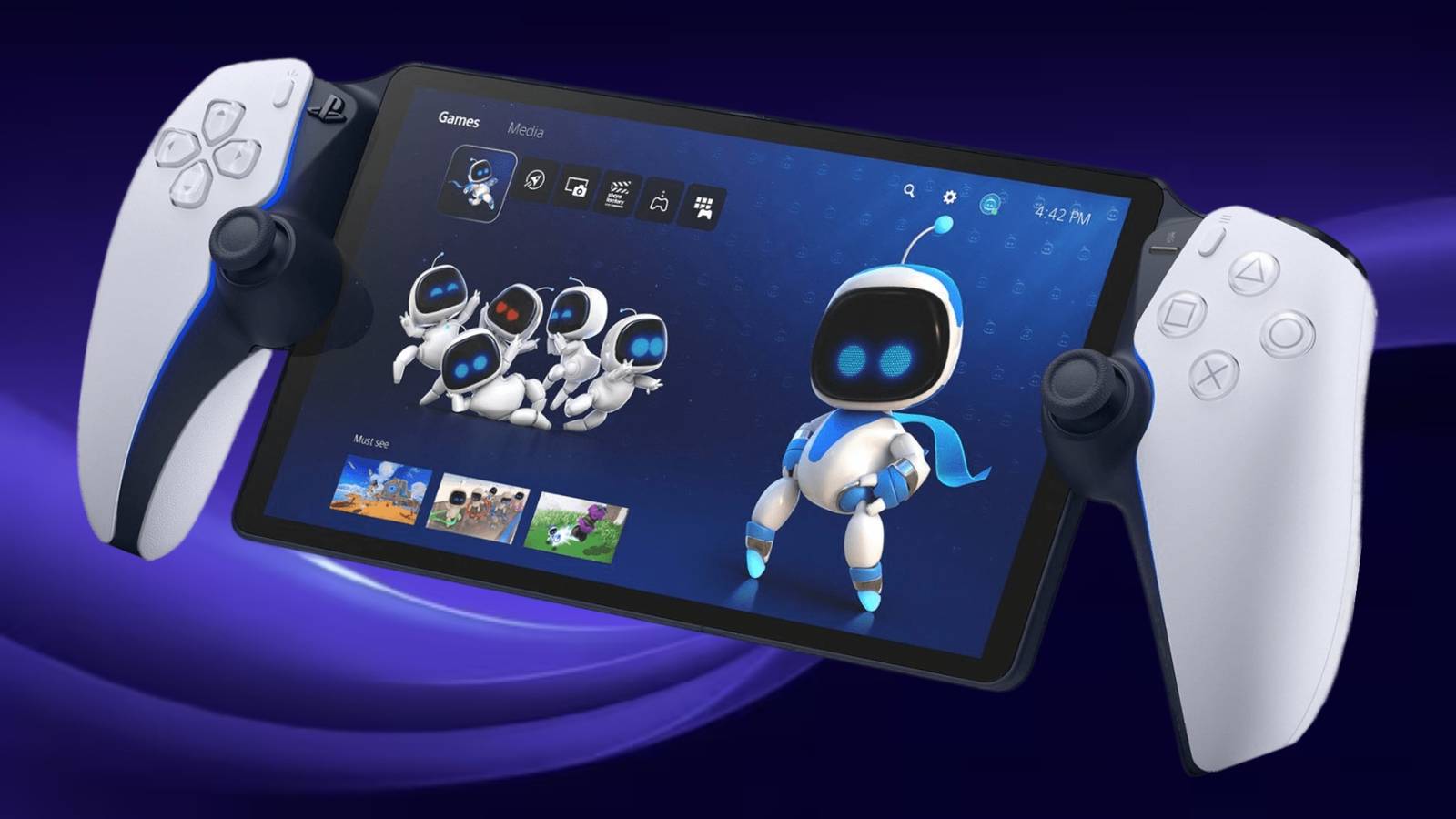
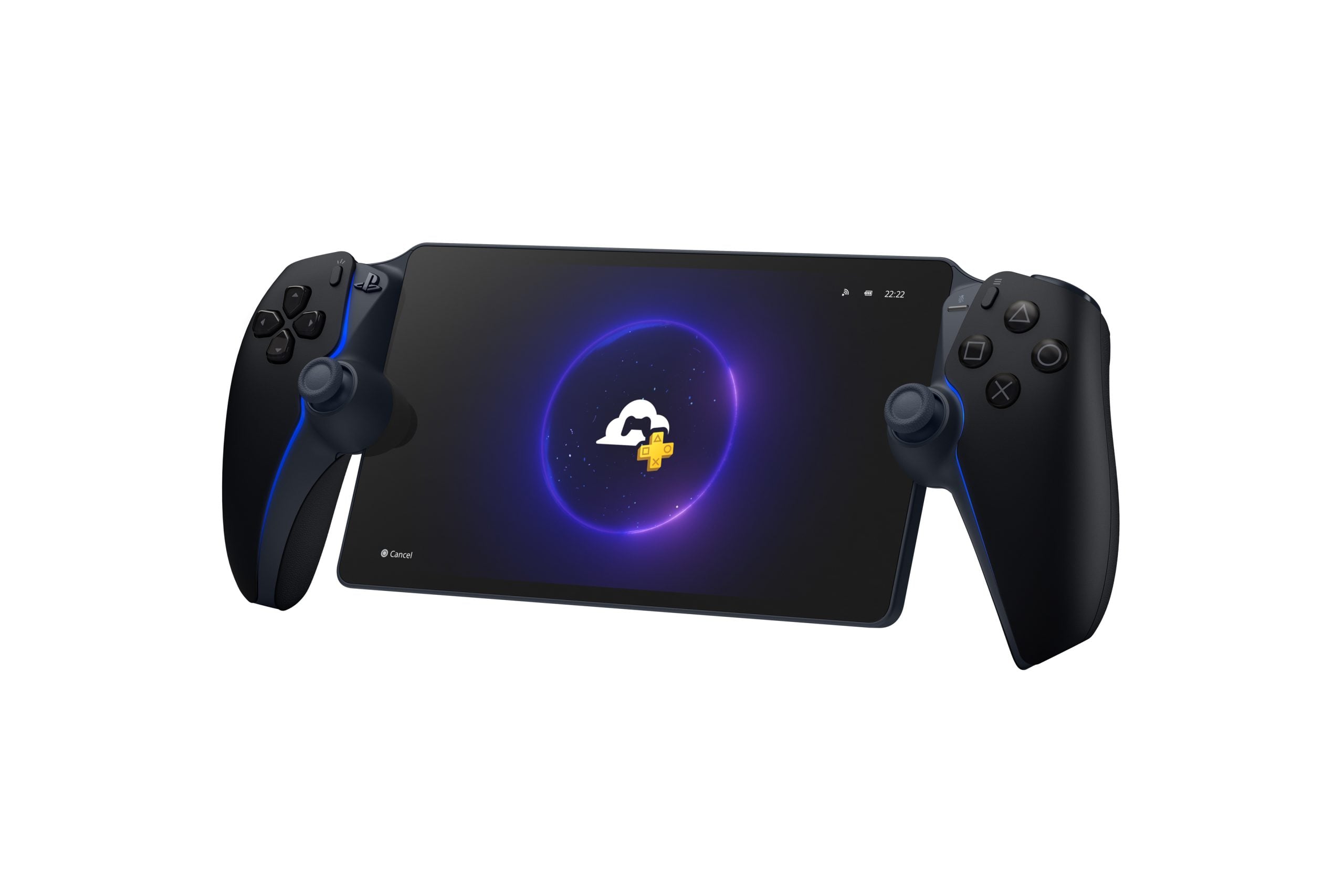
Sony may have spent much of the last decade distancing itself from the dedicated handheld market after the commercial struggles of the PlayStation Vita, but the company is not entirely done experimenting with portable gaming. In a surprising announcement, Sony has unveiled a new version of the PlayStation Portal that introduces one of the most requested hardware features since the device first launched: internal storage. However, there is a major limitation. This upgraded model is exclusive to Japan.
The announcement immediately reignited conversations about Sony’s long-term portable gaming ambitions. While the PlayStation Portal was originally positioned as a companion device for PlayStation 5 owners rather than a traditional handheld console, the addition of onboard storage has sparked speculation that Sony could be laying foundations for something much bigger.
A Familiar Device With One Significant Upgrade
On the surface, the new PlayStation Portal looks nearly identical to the device currently available worldwide. Sony has retained the same 1080p LCD display and the core functionality centered around streaming games from a PlayStation 5 console. The new model continues to focus on remote play experiences rather than native gaming.
The crucial difference is the inclusion of internal storage, something absent from previous PlayStation Portal hardware. Sony has confirmed the storage addition but has not specified either its capacity or its precise purpose. Instead, the company says the feature was included with an eye toward future functionality.
That statement is what has transformed an otherwise routine hardware refresh into one of the most intriguing PlayStation announcements of the year.
For a device whose primary purpose is streaming games from the cloud or from a connected PlayStation 5, internal storage is largely unnecessary today. Streaming devices traditionally require minimal local storage because games are processed elsewhere and merely displayed on the handheld.
Sony’s decision to add storage without immediately defining its role suggests that additional features may be planned for a future software update or perhaps as part of Sony’s next-generation ecosystem.
Is Sony Quietly Preparing for the Future?
The timing of this announcement is especially interesting.
Since the launch of the original PlayStation Portal in 2023, Sony has gradually expanded the device’s capabilities. What started as a dedicated Remote Play accessory evolved significantly when cloud gaming support was introduced, allowing PlayStation Plus Premium subscribers to access compatible PS5 games without owning a PlayStation 5 console.
That evolution changed perceptions of the Portal almost overnight.
Instead of merely acting as a second screen for PS5 owners, the device began resembling a lightweight cloud gaming handheld. The addition of internal storage could be another step in that transformation.
Sony has not confirmed downloadable games, offline functionality, or native game support. However, industry observers have already begun questioning whether this hardware revision could represent early groundwork for a future portable PlayStation platform.
Whether that future revolves around PlayStation 5, an eventual PlayStation 6 ecosystem, or a completely new portable initiative remains unknown.
Following Nintendo’s Regional Strategy
Another fascinating aspect of the announcement is Sony’s regional approach.
The company is releasing the upgraded PlayStation Portal exclusively in Japan, mirroring a strategy that has increasingly become common among Japanese console manufacturers. Sony previously released a Japan-focused version of the PlayStation 5 designed to make the console more affordable for domestic consumers. Nintendo similarly launched a Japan-specific variant of the Switch 2.
The Japanese model of the PlayStation Portal is region-locked and designed specifically for the domestic market. It also arrives in Midnight Black and will retail for ¥39,980, roughly equivalent to $252 USD.
Sony’s decision reflects broader challenges facing the Japanese gaming market, where currency fluctuations and rising hardware costs have increasingly influenced purchasing decisions.
While Western audiences might be disappointed by the regional exclusivity, the move demonstrates Sony’s willingness to create hardware solutions tailored specifically to Japan’s gaming landscape.
The PlayStation Portal’s Surprising Success
When Sony originally revealed the PlayStation Portal, reactions were mixed.
Many players questioned the value proposition of a dedicated streaming device at a time when smartphones, tablets, and cloud gaming services already existed. Critics often pointed to the absence of native gaming functionality and the reliance on strong internet connectivity.
Yet despite skepticism, the device managed to carve out a market niche.
According to estimates referenced in coverage surrounding the new announcement, the PlayStation Portal sold approximately 420,000 units in the United States during its first year. While not approaching Nintendo Switch numbers, those figures demonstrated meaningful demand among PlayStation enthusiasts seeking a seamless portable extension of their console experience.
Users frequently praised the Portal’s screen quality, ergonomic design, and DualSense-inspired controls. The biggest complaints typically centered on network reliability and the unavoidable limitations of a streaming-first platform.
Sony has responded by steadily improving the software experience through updates and expanded streaming capabilities.
Could the Portal Become Sony’s Switch Alternative?
The gaming industry has changed dramatically since Sony exited the handheld market following the PlayStation Vita.
Nintendo transformed the industry with the Switch’s hybrid design, Valve demonstrated demand for premium portable PC gaming through the Steam Deck, and competitors like ASUS, Lenovo, and MSI have entered the handheld market with increasingly powerful systems.
Meanwhile, cloud gaming continues to mature.
Against that backdrop, Sony faces growing pressure to establish a clear strategy for portable gaming.
The addition of internal storage may not seem revolutionary today, but historically, seemingly small hardware changes have often hinted at larger plans. The most significant detail is not that Sony added storage. It is that Sony added storage without explaining exactly why.
That mystery has immediately fueled speculation about native game support, expanded cloud gaming features, downloadable content, and even future PlayStation handheld hardware.
Final Thoughts
The new Japan-exclusive PlayStation Portal may appear to be a minor revision, but its implications could be far more substantial than its specifications suggest.
Sony has upgraded the device with internal storage, renamed portions of its branding strategy in Japan, and once again demonstrated interest in refining its portable gaming ecosystem. At the same time, the company remains deliberately vague about the purpose behind its most important new feature.
For now, the PlayStation Portal remains a streaming-focused handheld. Yet the inclusion of onboard storage feels less like a feature designed for today and more like preparation for tomorrow.
Whether that future involves expanded cloud gaming, deeper PlayStation Plus integration, downloadable experiences, or the first steps toward a true PlayStation handheld revival, Sony has successfully accomplished one thing: it has made gamers pay attention to the PlayStation Portal again.