In the summer of 2026, a subtle but unmistakable shift rippled through Microsoft’s gaming division. What had been internally framed as a confident march toward the next era of Xbox hardware suddenly became a moment of introspection. Project Helix — the codename for Xbox’s next‑generation console — is no longer moving forward on autopilot. Instead, the company is reevaluating fundamental aspects of the machine, driven by a single, stubborn obstacle: the unpredictable cost of memory.
The concern isn’t theoretical. Memory pricing has been volatile for months, and the projections for 2027–2028 — the window in which Helix is expected to launch — have only grown more uncertain. For a platform holder already navigating layoffs, shifting strategies, and a more complex multiplatform identity than ever before, the stakes are enormous.
A Console Caught Between Two Worlds
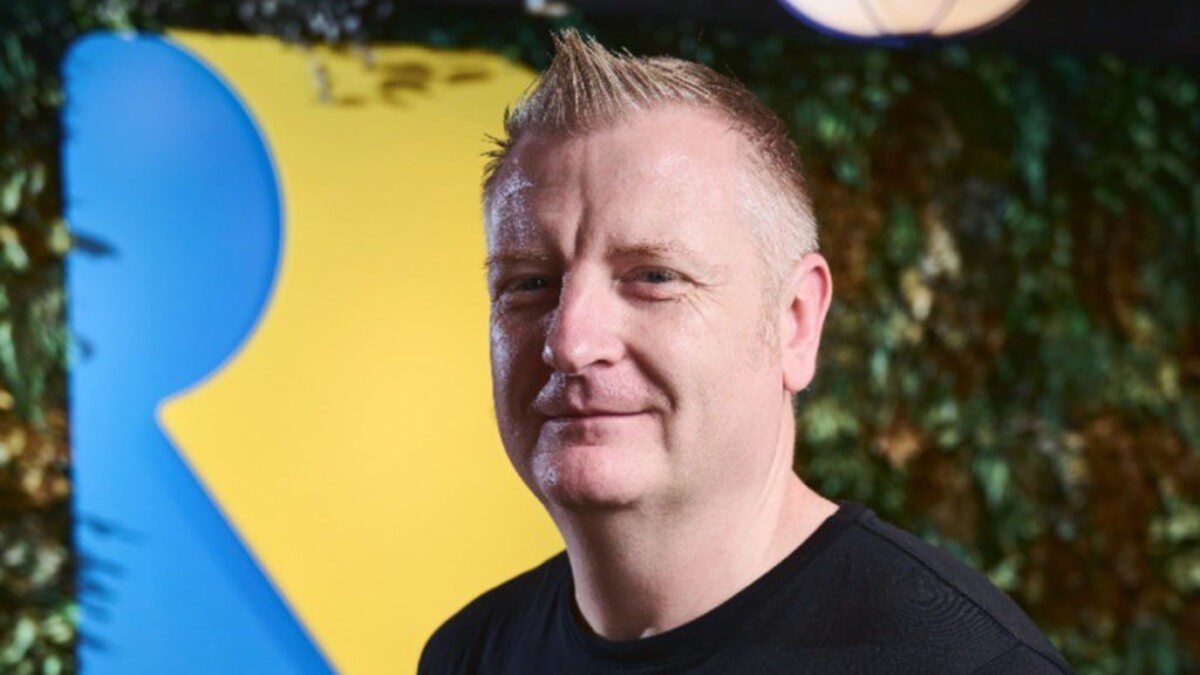
Matthew Ball, Xbox’s Chief Strategy Officer, recently acknowledged the internal recalibration during a conversation with The Game Business. His comments, while measured, painted a picture of a company trying to thread a needle between ambition and reality.
Helix was conceived as a hybrid — a console that would blur the line between traditional hardware and PC‑like flexibility. It was meant to be a statement: Xbox wasn’t retreating from hardware, it was redefining it. But as Ball explained, the team is now rethinking what that redefinition should look like.
The goal, he emphasized, is deceptively simple: make the console affordable without compromising the vision. But affordability in 2026 is a moving target. Memory alone can swing the bill of materials by tens of dollars per unit, and in a market where launch pricing can make or break a generation, Xbox cannot afford a misstep.
A Company Under Pressure
The timing of this reevaluation is impossible to separate from the broader turbulence inside Microsoft’s gaming division. The company is preparing for mass layoffs by July 2026, a development that has rattled employees and raised questions about long‑term strategy. While Xbox leadership insists that Helix remains a priority, the internal mood is unmistakably cautious.
Ball’s remarks reflected that tension. He spoke of a console that must be “flexible,” a platform that must “add” rather than exclude, and a company that must change in order to meet the moment. These aren’t the words of a division charging ahead with unshakable confidence — they’re the words of one trying to avoid repeating past mistakes.
The 2030 Ambition
Despite the uncertainty, Xbox is still publicly committed to a bold target: becoming the number‑one console brand by 2030. It’s an audacious goal, especially in a landscape where hardware identity is blurring, exclusivity is eroding, and platform loyalty is more fragile than ever.
Project Helix is central to that ambition. It represents not just a new box, but a new philosophy — one that must reconcile Xbox’s PC‑forward ecosystem with the expectations of console players who still want simplicity, stability, and value.
Rethinking the Console Model Itself
What stands out most in Ball’s comments is the suggestion that Xbox is questioning the very definition of a console. The company is exploring models that are “additive,” not restrictive — a hint that Helix may lean even further into modularity, cloud integration, or PC‑style scalability.
But innovation is expensive. And innovation that must also be affordable is a puzzle with no easy solution.
The Road Ahead
For now, Project Helix remains alive, but not unchanged. Xbox is tightening its grip on the steering wheel, recalculating the route, and trying to ensure that when the console finally arrives, it lands at a price point that players can accept and investors can justify.
The next few months will be critical. Memory markets will stabilize — or they won’t. Layoffs will reshape teams — or they’ll spark new approaches. And Xbox will either emerge with a clearer vision or find itself navigating even more difficult terrain.
What’s certain is that Helix is no longer just a product. It’s a test of Xbox’s adaptability, its financial discipline, and its belief that hardware still matters in a world where the definition of “console” is evolving faster than ever.