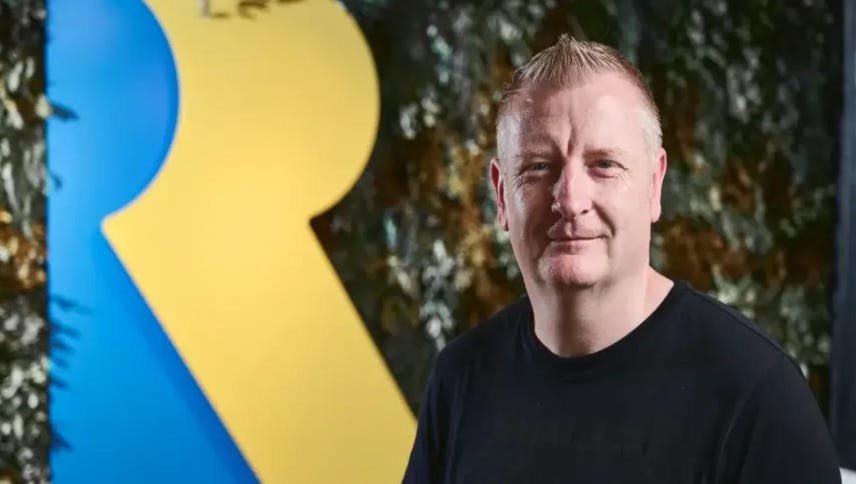
For the second time in less than two years, Xbox is preparing to reshuffle the leadership of its first‑party division. Craig Duncan — the former Rare studio head who stepped into the role of overseeing Xbox Game Studios in late 2024 — has confirmed he is leaving Microsoft after just 18 months in the position. His departure lands at a moment when the Xbox organization is bracing for another wave of layoffs and internal restructuring, raising fresh questions about the stability and long‑term strategy of the company’s gaming division.
Duncan’s exit is abrupt but not entirely surprising to those who have followed Xbox’s shifting leadership landscape. In an internal email to staff, he reflected on his tenure with a tone that blended pride with resignation. He noted that when he stepped into the role “20 months ago,” his mission was to support the studios, strengthen culture, and help shape the future of the business — a mission he believes he fulfilled through a series of “flawless launches” that contributed to Microsoft’s bottom line.
Yet the timing of his departure suggests deeper structural pressures. According to reporting from The Game Business, Duncan will leave the company this week, and until a successor is chosen, all Xbox Game Studios teams will report directly to Matt Booty, Xbox’s Chief Content Officer.
A Leadership Era Born From Crisis
Duncan’s appointment in 2024 came during a period of intense scrutiny for Xbox. The company had just weathered a series of high‑profile setbacks: the uneven launch of Redfall, the prolonged development struggles of Perfect Dark and Everwild, and the internal fallout from Microsoft’s $69 billion acquisition of Activision Blizzard. The company needed a stabilizing figure — someone with a track record of navigating creative teams through turbulence.
Duncan fit that profile. At Rare, he had overseen the transformation of Sea of Thieves from a shaky launch into one of Xbox’s most enduring live‑service successes. His leadership style was often described as collaborative and culture‑focused, emphasizing team health and long‑term creative vision over short‑term output.
When he was elevated to lead Xbox Game Studios, the move was widely interpreted as Microsoft doubling down on studio‑first leadership — a contrast to the more corporate, metrics‑driven approach that had defined earlier eras.
But the industry around him was changing faster than any one leader could adapt.
The Pressure Cooker Inside Microsoft Gaming
Duncan’s departure comes as Microsoft executives — including CEO Asha Sharma and Microsoft CEO Satya Nadella — have publicly acknowledged that the gaming division is not profitable enough. That blunt assessment has set the stage for significant layoffs expected across Xbox’s first‑party teams.
The company’s strategy has been in flux since the Activision Blizzard acquisition. While Game Pass remains a cornerstone of Microsoft’s gaming ambitions, the service’s growth has slowed. Meanwhile, the cost of maintaining dozens of studios, supporting massive AAA development cycles, and funding experimental projects has ballooned.
Internally, sources have described a growing tension between creative aspirations and financial realities. Duncan, who championed studio autonomy, found himself navigating an environment where budgets were tightening and expectations were rising.
A Second Departure That Deepens the Impact
Duncan is not leaving alone. Louise O’Connor — another longtime Rare veteran who became chief of staff for Xbox Game Studios after the cancellation of Everwild — is also exiting the company. Duncan praised her as a “thoughtful, creative, and trusted partner” who consistently supported studios with clarity and care.
Her departure removes yet another stabilizing figure from Xbox’s first‑party leadership structure. O’Connor had been instrumental in bridging communication between studios and executives, especially during the difficult period following Everwild’s reboot.
With both leaders gone, the responsibility now shifts heavily onto Matt Booty — a figure who has already been stretched thin overseeing both Xbox Game Studios and Bethesda.
What This Means for Xbox’s Future
The exit of two respected leaders at the same moment Microsoft is preparing layoffs paints a picture of a division undergoing painful transformation. Xbox’s first‑party strategy has long been defined by ambition: dozens of studios, sprawling projects, and a desire to compete with Sony’s prestige single‑player output while simultaneously fueling Game Pass with a steady cadence of releases.
But ambition requires stability — and stability has been in short supply.
Duncan’s tenure, though brief, represented an attempt to rebuild trust and cohesion across Xbox’s creative teams. His departure signals that the next phase for Xbox Game Studios may be less about creative expansion and more about operational consolidation.
The coming months will reveal whether Microsoft can maintain the momentum of recent successes — including Hi‑Fi Rush, Sea of Thieves’ continued growth, and the strong reception to Microsoft Flight Simulator — or whether the internal shake‑ups will slow the pipeline at a time when Xbox can least afford it.
For now, one thing is clear: Xbox is entering yet another era of reinvention, and the departure of Craig Duncan marks the end of a chapter that never had the chance to fully unfold.