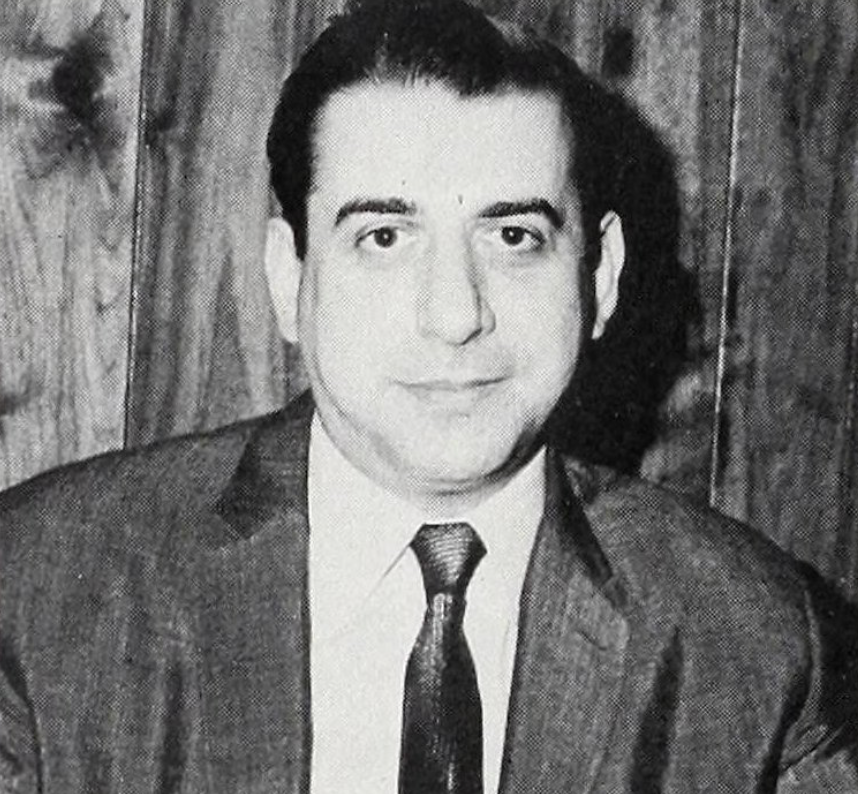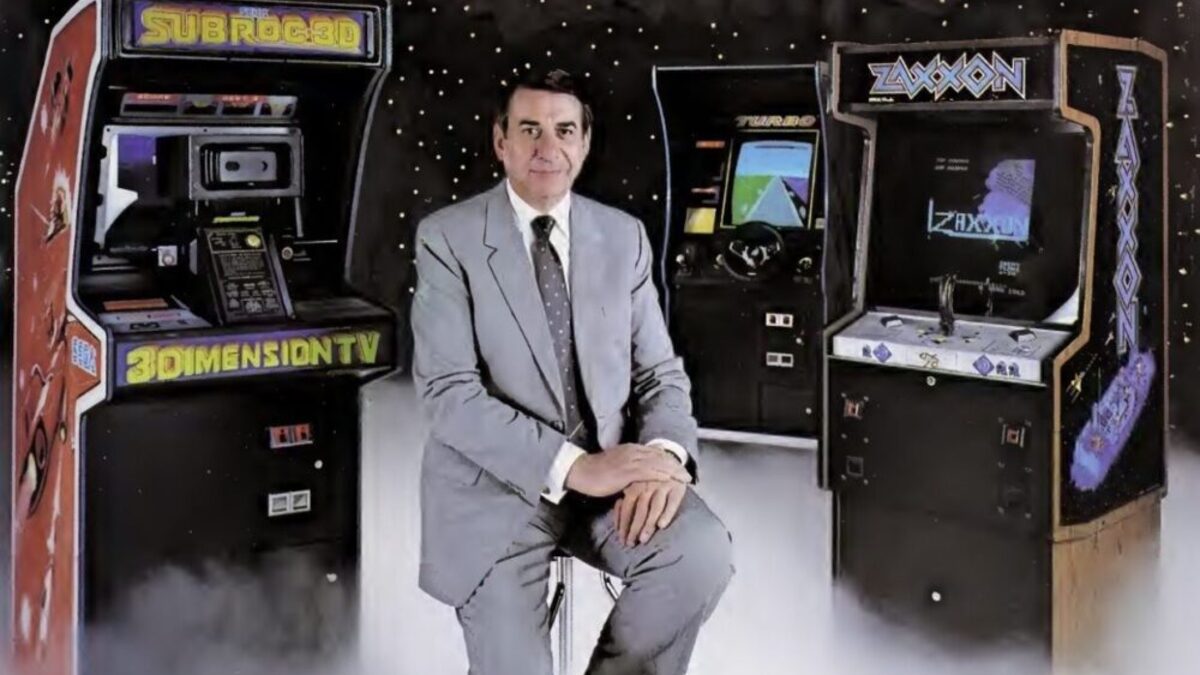
David Rosen — the American entrepreneur whose vision helped ignite Japan’s arcade revolution and ultimately gave birth to Sega — has died at the age of 95. According to reports, Rosen passed away peacefully on Christmas Day at his home in Los Angeles, surrounded by family members.
Rosen’s death marks the end of a remarkable life that bridged post‑war reconstruction, the rise of coin‑op entertainment, and the birth of one of gaming’s most influential companies.
From Air Force Pilot to Accidental Entertainment Mogul
Born in New York and later serving as a U.S. Air Force pilot, Rosen was stationed in Japan during the Korean War — a posting that would change the trajectory of his life. When his service ended in 1952, he chose to remain in Japan, a country still rebuilding its economy and infrastructure.
His first business venture wasn’t games at all. Rosen founded Rosen Enterprises, initially focused on selling Japanese art to the U.S. and operating photo booths for Japan’s growing demand for ID photos. But by the late 1950s, he noticed something new happening in the streets of Tokyo: rising disposable income and a hunger for entertainment.
That’s when Rosen made the pivot that would define his legacy.
The Birth of Japan’s Arcade Scene
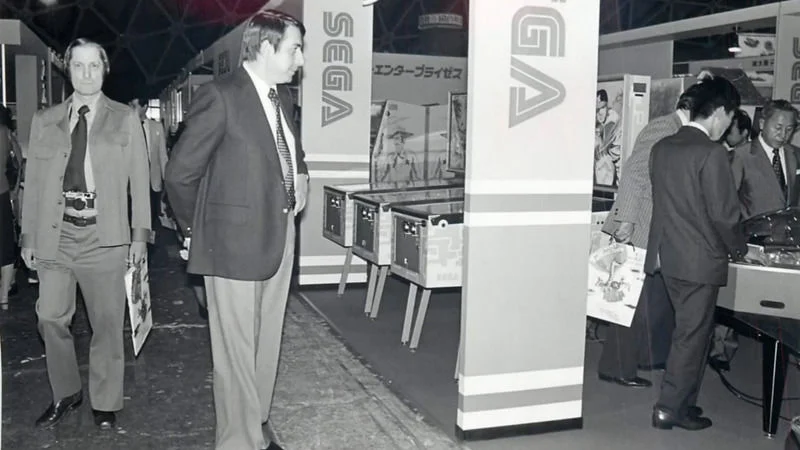
In 1957, Rosen began importing coin‑operated amusement machines — shooting galleries, pinball tables, and other mechanical amusements — into Japan. The response was immediate and overwhelming.
“Right off the bat, the machines were tremendously successful,” Rosen recalled in a 1996 interview.
Rosen Enterprises soon expanded into opening its own arcades, helping establish a new entertainment culture in Japan at a time when arcades were still experimental and far from mainstream.
His success caught the attention of another company operating in the same space: Service Games, known for distributing coin‑op machines to U.S. military bases in Japan.
How Sega Was Born
In 1965, Rosen Enterprises merged with Service Games to form Sega Enterprises — a name derived from “SErvice GAmes”. Rosen became CEO and chairman, guiding the company through its early years as Japan’s arcade industry exploded.
Under his leadership, Sega released Periscope in 1966, a large electro‑mechanical arcade cabinet that became a global hit and helped establish Sega as a major player in the amusement business.
Rosen’s Sega would go on to:
- Pioneer arcade innovation throughout the 1970s
- Transition into video games as the medium emerged
- Eventually enter the home console market, setting the stage for the legendary Sega vs. Nintendo rivalry of the 1990s
While Rosen stepped away from Sega leadership in the 1980s, the foundation he built — technologically, culturally, and creatively — shaped the company for decades.
A Legacy That Still Echoes Through Gaming
Today, Sega is known worldwide for Sonic the Hedgehog, iconic arcade cabinets, and a legacy of bold hardware experimentation. But none of that would have existed without Rosen’s early instincts: that Japan was ready for entertainment, that arcades could become a cultural force, and that a small American‑run business could help spark an entire industry.
Rosen’s influence is still felt in:
- The global arcade scene
- Sega’s enduring brand identity
- The evolution of coin‑op entertainment into modern video games
His passing closes a chapter in gaming history — but the world he helped create continues to thrive.