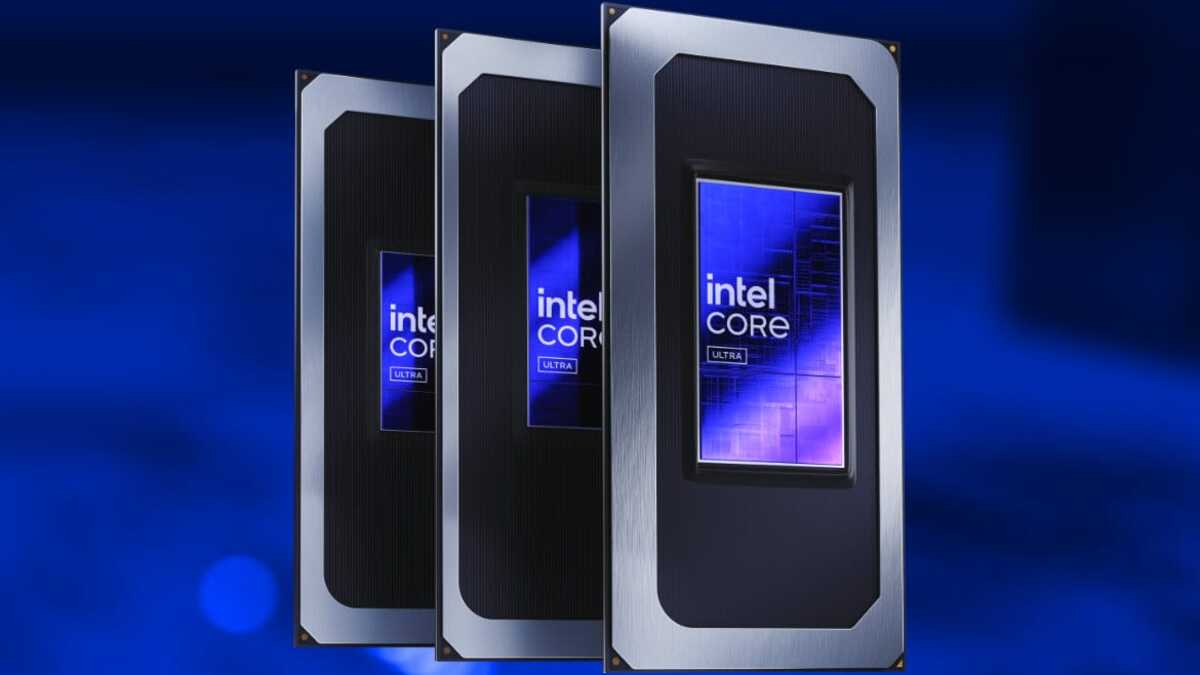
Intel kicked off the year with a major announcement: Panther Lake, the next generation of its mobile processor lineup, is officially launching in 2026. After months of anticipation and early disclosures throughout 2025, the company used the CES stage to confirm specs, platform features, and the strategic role Panther Lake will play in Intel’s AI‑driven roadmap.
Positioned as the Intel Core Ultra Series 3, Panther Lake represents a full-stack architectural refresh designed to push mobile computing toward higher efficiency, stronger integrated graphics, and significantly expanded on‑device AI capabilities.
🚀 A New Hybrid Architecture for Real‑World Performance
Intel emphasized that Panther Lake continues the company’s hybrid design philosophy, combining:
- Next‑gen Performance-cores (P‑cores)
- Efficient-cores (E‑cores)
- Low‑Power Efficient-cores (LP E‑cores)
This tri‑tiered approach aims to deliver all‑day performance while reducing power consumption — a critical factor for ultraportables and 2‑in‑1 devices.
The new Core Ultra Series 3 chips will scale up to 16 total cores, with Intel claiming meaningful gains in responsiveness, multitasking, and sustained workloads compared to the previous generation.
🧠 AI at the Center: NPU5 with Up to 50 TOPS
One of the headline upgrades is Intel’s NPU5, the newest neural processing unit powering on‑device AI features, including Copilot+ experiences.
Intel says the NPU can deliver up to 50 TOPS, a major leap that positions Panther Lake to compete directly in the rapidly evolving AI PC category.
This level of AI throughput enables:
- Faster local inference
- Improved creative workflows
- Enhanced background processing
- Lower power draw for AI‑accelerated tasks
🎮 Built‑In Arc Graphics with Xe3 Architecture
Panther Lake integrates the latest Intel Arc GPU based on Xe3 architecture, promising a substantial uplift in visual performance for:
- Modern gaming
- Video editing
- AI‑enhanced creative apps
- High‑resolution media playback
Intel is positioning this as a “game‑changing” step for thin‑and‑light laptops that previously relied on weaker integrated graphics.
⚡ Connectivity & I/O: Thunderbolt 5, Wi‑Fi 7 R2, and Dual‑Bluetooth Core 6
Intel is also pushing forward on connectivity standards:
Thunderbolt 5
- 80 Gbps bidirectional bandwidth
- 120 Gbps transmit bandwidth via Bandwidth Boost
- Support for dual 8K monitors
- Up to 240W charging
Wi‑Fi 7 R2
- Up to 4.8× faster speeds than Wi‑Fi 6
- 60% lower latency
- Improved multi‑device stability
Dual‑Bluetooth Core 6
- Enhanced LE Audio
- Multi‑stream support
These upgrades reinforce Intel’s focus on mobility, collaboration, and high‑bandwidth workflows.
💼 Intel Evo: Still the Premium Laptop Standard
Intel confirmed that laptops featuring Panther Lake will continue to be eligible for the Intel Evo badge — but only after passing strict tests around:
- Battery life
- Responsiveness
- Connectivity
- Audio/visual quality
- Weight and form factor
Evo remains Intel’s way of signaling that a laptop delivers a premium, no‑compromise experience.
🔍 What Panther Lake Means for 2026
Panther Lake is Intel’s clearest step yet toward a future where AI‑accelerated computing is standard across all mobile devices. With stronger integrated graphics, a more efficient hybrid architecture, and next‑gen connectivity, Intel is aiming to reclaim leadership in the mobile performance space.
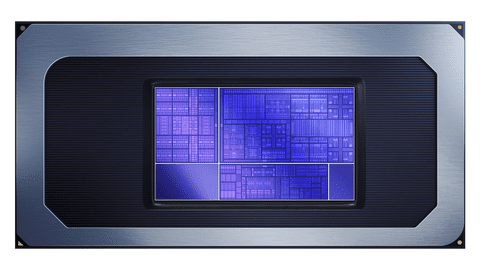
The first Panther Lake‑powered laptops are expected to roll out later this year from major OEM partners.