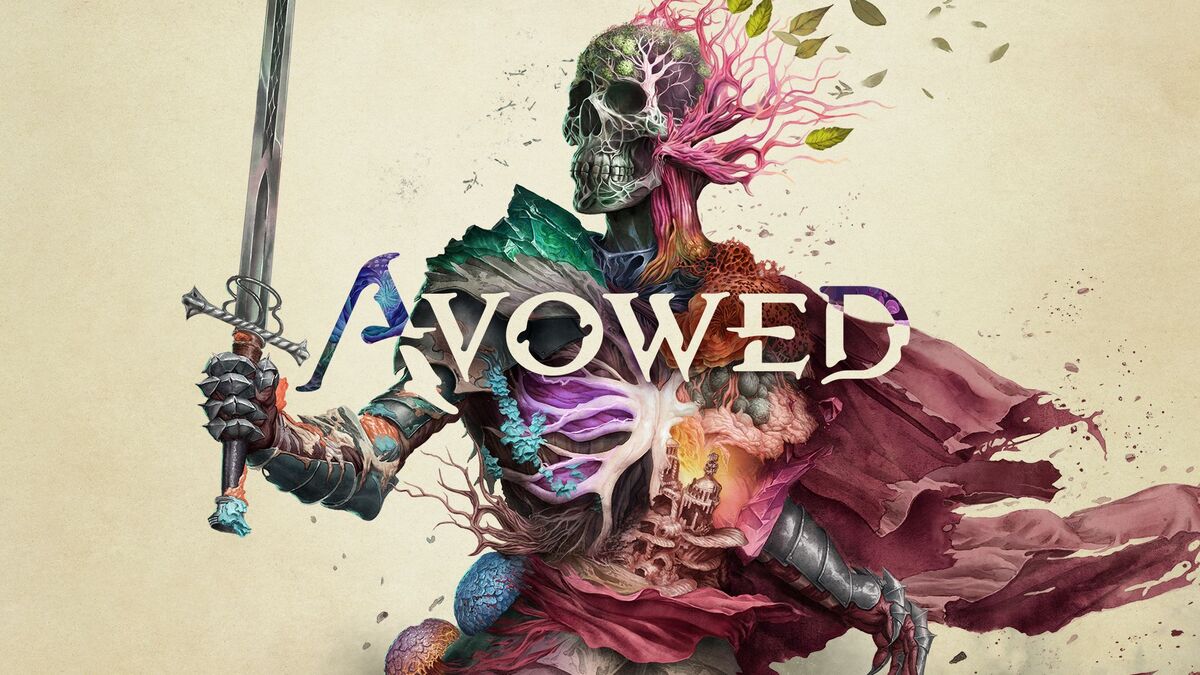
Obsidian Entertainment’s fantasy RPG Avowed is expanding beyond the Xbox ecosystem, with a PlayStation 5 version now officially on the way. The move marks another significant moment in Microsoft’s evolving publishing strategy, as the company continues to bring select first‑party titles to competing platforms. For Avowed, the PS5 release isn’t arriving quietly; it’s launching alongside new gameplay modes, additional content, and a round of refinements shaped by player feedback since the game’s original debut.
Obsidian has spent the past year tightening combat responsiveness, improving visual clarity, and enriching narrative choice. The studio describes this new release as a chance to reintroduce the game with a more polished identity, rather than simply porting it over. All of the new features arriving on PS5 will also be available on Xbox Series X|S and PC, ensuring that the entire player base moves forward together.
The decision to bring Avowed to PlayStation reflects Microsoft’s broader shift toward a more flexible, audience‑driven approach. While the game remains part of Xbox Game Studios, its arrival on PS5 underscores the company’s willingness to expand the reach of its single‑player, narrative‑heavy titles. A firm release date is expected soon, with preorders likely to follow once the final update roadmap is locked in.
The Xbox branding on Playstation ecosystem is a new normal
Microsoft’s approach to exclusivity has changed dramatically over the past two years. Instead of treating the Xbox console as the sole destination for its first‑party games, the company has begun selecting specific titles that can thrive with a broader audience. This shift has already brought several Xbox‑published games to PlayStation, including smaller creative projects, community‑driven titles, and games with long‑tail sales potential. The strategy isn’t about abandoning the Xbox platform; it’s about recognizing that certain experiences benefit from reaching as many players as possible.
The company has been careful to frame this as a case‑by‑case decision rather than a universal policy. Flagship franchises like Halo, Gears of War, and Forza remain firmly tied to the Xbox identity, while games such as Sea of Thieves, Hi‑Fi Rush, Pentiment, and Grounded have already made the jump to PlayStation.
Upcoming releases like Avowed and id Software’s DOOM: The Dark Ages signal that Microsoft is willing to extend this philosophy to larger productions when it makes sense creatively and commercially.
The result is a landscape where Xbox increasingly resembles a cross‑platform publisher, even as it continues to invest in its own hardware and services. Game Pass remains the centerpiece of the ecosystem, offering the most convenient and cost‑effective way to play Xbox titles, but the games themselves are no longer confined to a single box. For players, it means more access.
For developers, it means larger communities. And for Microsoft, it represents a pragmatic evolution in a market where platform boundaries matter less than they once did.