For years, Xbox has lived in a strange duality—an ecosystem rich with talent, resources, and ambition, yet often weighed down by inconsistent execution. That tension reached a breaking point in 2025, a year marked by delayed releases, uneven communication, and a controversial shift toward publishing select Xbox titles on rival platforms. The community was left wondering whether Xbox still believed in its own identity.
At the 2026 Developer Direct, the head of Xbox Game Studios stepped onto the stage with a noticeably different posture. Gone was the overly optimistic tone that had defined previous showcases. In its place stood a leader who seemed ready to confront the past year’s missteps head‑on. The message was simple, but powerful: Xbox needs to be more consistent—across communication, across releases, and across its long‑term strategy.
This wasn’t just a marketing line. It was an admission that the company had learned some hard lessons.
The Multiplatform Question That Refused to Go Away
The biggest shadow looming over Xbox in 2025 was the multiplatform debate. When several first‑party titles quietly made their way to PlayStation and Nintendo platforms, the reaction was explosive. Some players saw it as a smart business move; others viewed it as a betrayal of the console’s identity. What made it worse was the lack of clear messaging. Rumors filled the void, and Xbox found itself reacting instead of leading.
During the Developer Direct, leadership finally addressed the issue with a level of transparency that had been missing. The multiplatform strategy wasn’t a sudden pivot, they explained, but a targeted approach meant to strengthen the long‑term health of Xbox Game Studios. Not every game would go multiplatform. Not every franchise would leave the ecosystem. But some titles—especially those with live‑service ambitions or broad appeal—could benefit from reaching a wider audience.
It was a nuanced stance, and for the first time, Xbox articulated it without hedging.
A Year of Hard Lessons
Behind the scenes, 2025 had been a year of internal recalibration. Several high‑profile delays forced Xbox to confront the reality that its “when it’s ready” philosophy had become a double‑edged sword. While players appreciated quality, the unpredictable cadence of releases made it difficult for the brand to build momentum. The leadership team acknowledged this openly, noting that consistency wasn’t just about communication—it was about delivering games at a reliable pace.
The Developer Direct reflected this shift. Instead of sprawling promises or distant CGI teasers, the showcase focused on near‑term releases with tangible progress. The tone was grounded, almost restrained, but it felt intentional. Xbox wanted to rebuild trust not through hype, but through follow‑through.
Reclaiming the Narrative
One of the most striking elements of the presentation was how directly Xbox addressed the community’s concerns. The head of Xbox Game Studios spoke candidly about the need to “be more consistent with what we do,” a phrase that resonated because it acknowledged the gap between ambition and execution. It was a subtle but important shift from the grand declarations of previous years.
This new transparency also extended to the internal culture. Leadership emphasized that the studios were being given clearer roadmaps, more predictable support, and a more unified vision. After years of acquisitions, Xbox had finally reached the point where it needed to transform its massive portfolio into a cohesive whole.
A Platform With Something to Prove
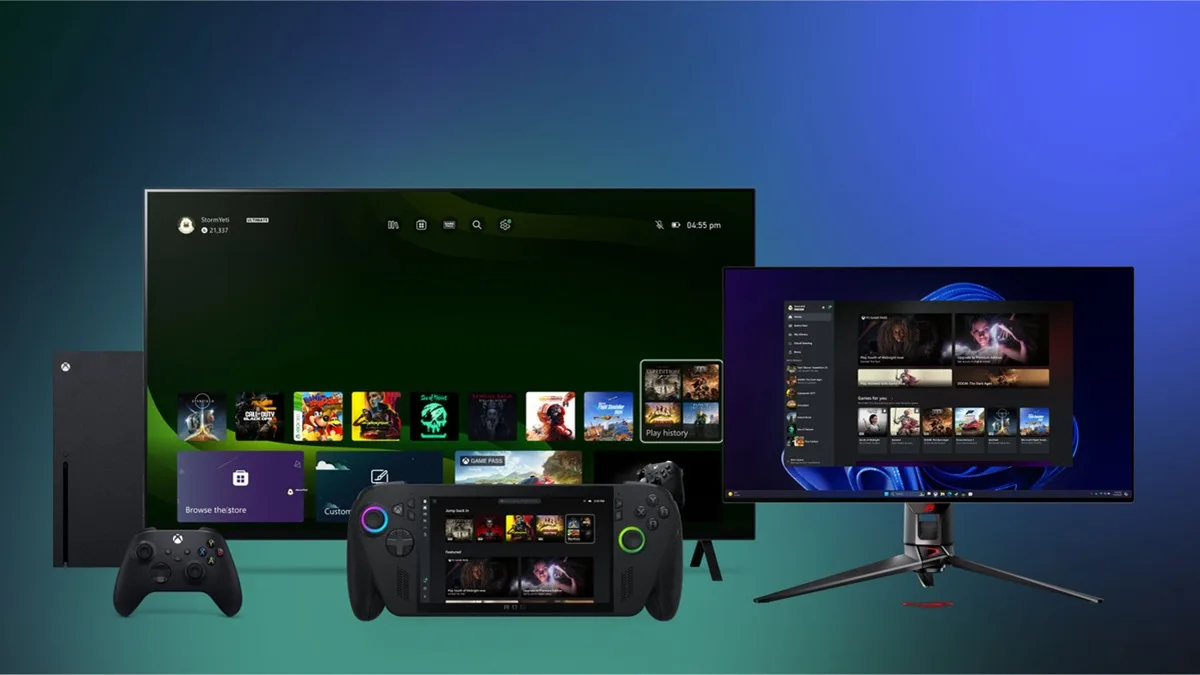
The broader industry context made this moment even more significant. PlayStation continued to dominate mindshare with prestige single‑player titles. Nintendo remained a juggernaut in family and hybrid gaming. Meanwhile, Xbox had spent the last several years redefining itself around services, cloud technology, and cross‑platform ecosystems.
But services alone weren’t enough. Players wanted games—memorable, polished, consistent games. And Xbox seemed ready to acknowledge that the path forward required a balance between innovation and reliability.
The Developer Direct didn’t solve every concern, nor did it erase the turbulence of 2025. But it marked a turning point. For the first time in a long time, Xbox wasn’t trying to reinvent itself mid‑stride. It was committing to a clearer identity: a platform that supports its studios, communicates honestly, and delivers games with regularity.
The Road Ahead
As 2026 unfolds, the real test will be whether Xbox can maintain this new discipline. The multiplatform strategy will continue to spark debate, but at least now it has a defined framework. The release slate looks healthier than it has in years, and the studios appear aligned under a more focused leadership approach.
Most importantly, Xbox seems to understand that consistency isn’t a marketing slogan—it’s a promise. One that must be earned, not declared.
The Developer Direct was a step toward rebuilding that trust. And for a brand that has weathered as many storms as Xbox, a steady hand might be exactly what the future requires.