The Dragon Ball Genkidamatsuri, held at Makuhari Messe in Japan, wasn’t merely an anniversary celebration — it felt like a cultural checkpoint. Four decades after Dragon Ball first appeared in Weekly Shonen Jump, the franchise remains one of the most influential forces in gaming, anime, and global pop culture. Yet this year’s event carried a bittersweet weight: it was the first major celebration since the passing of Akira Toriyama, the creator whose imagination shaped generations.
Rather than slowing down, the franchise is accelerating — and gaming is at the heart of that momentum. The announcements made on stage revealed a future that honors Toriyama’s legacy while boldly expanding the universe he built.
🎮 A New Game Born From Toriyama’s Final Creative Push
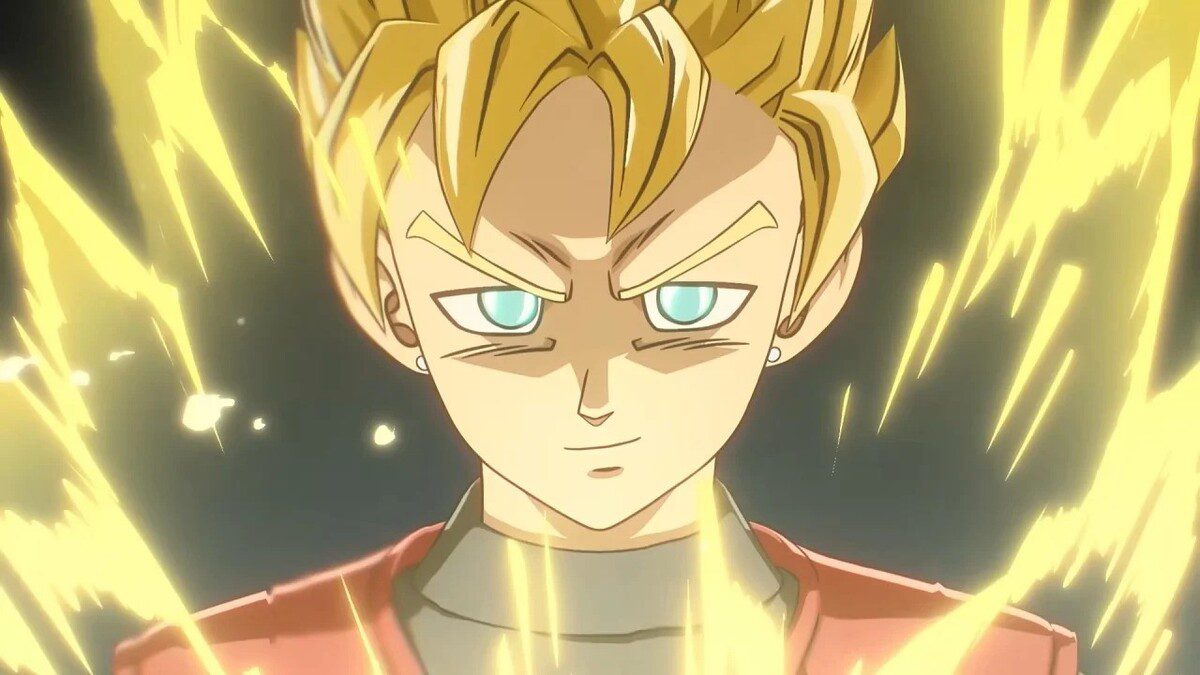
Among all the reveals, none resonated more deeply than the unveiling of Age 1000, a new Dragon Ball game project that Toriyama personally contributed to before his death. According to Bandai Namco, development began seven years ago, giving Toriyama time to craft new characters, lore, and worldbuilding specifically for this title.
This wasn’t a passive blessing or a simple character sketch. Toriyama was actively involved — designing a mysterious gray‑haired protagonist in Capsule Corp gear and shaping the narrative direction of a time period rarely explored in Dragon Ball media. The project’s name evokes Dragon Ball Online, which also took place around Age 1000, but this new game promises a deeper dive into a future shaped by the legacy of Goku’s era.
For longtime fans, this is monumental. Toriyama’s final creative fingerprints are not on a manga panel or anime storyboard — but on a video game. It’s a poetic full circle: gaming has always been one of Dragon Ball’s strongest pillars, and now it becomes the medium carrying Toriyama’s last original ideas into the world.
The game is slated for 2027, and more details will surface at Dragon Ball Games Battle Hour 2026 in Los Angeles.
⚡ Sparking! Zero Expands With a Massive DLC — A Love Letter to the Tenkaichi Legacy
The event also delivered a major update for Dragon Ball Sparking! Zero, the spiritual successor to the beloved Budokai Tenkaichi series. Producer Jun Furutani announced a massive DLC arriving this summer, promising new characters, new stages, new modes, and new super attacks for Goku and Vegeta.
The reveal trailer teased fan‑favorites like Super Android 17 and Demon King Piccolo, signaling that the roster — already enormous — is about to grow even more. The DLC even includes a brand‑new theme song performed by Hironobu Kageyama, the legendary voice behind many iconic Dragon Ball Z openings.
For players on PS5, Xbox Series X/S, and Steam, a free update arrives first: Mission 100, a single‑player mode inspired by Budokai Tenkaichi 3. Switch and Switch 2 players will receive it later.
This expansion reinforces something fans have known for years: Dragon Ball’s gaming identity is inseparable from its high‑energy arena fighters. Sparking! Zero is shaping up to be the definitive modern expression of that legacy.
📺 Anime Announcements That Strengthen the Gaming Connection
While the event revealed two new anime series — Dragon Ball Super: The Galactic Patrol and Dragon Ball Super: Beerus — their significance extends beyond television. Both arcs have historically influenced Dragon Ball games, shaping character rosters, transformations, and story modes.
The Galactic Patrol
Adapting the Moro arc, this series brings one of the most game‑friendly villains in modern Dragon Ball history. Moro’s magic‑based abilities, energy absorption, and monstrous transformations are tailor‑made for future game mechanics.
Dragon Ball Super: Beerus
A reimagining of the Battle of Gods arc, this enhanced retelling promises improved visuals and more faithful manga‑based storytelling. Beerus, already a staple in Dragon Ball games, may receive new interpretations that influence future titles.
Both series arrive between 2026 and 2027 — perfectly timed to feed into the next wave of Dragon Ball game development.
🌟 Toriyama’s Final Legacy: A Creator Who Never Stopped Building Worlds
Toriyama’s passing in 2024 shocked the world. Even after decades of success, he remained a quiet, humble creator who preferred to let his work speak for itself. What many didn’t know was that he was still actively shaping new Dragon Ball stories behind the scenes.
The revelation that he contributed deeply to Age 1000 reframes his final years. He wasn’t simply revisiting old ideas — he was expanding the universe, designing new characters, and imagining a future era of Dragon Ball that fans had never seen.
This game is more than a release; it’s a time capsule of Toriyama’s imagination.
His involvement also underscores a truth that fans have long felt: Dragon Ball’s heart has always been in its worldbuilding. Whether through manga panels, anime arcs, or video games, Toriyama’s universe thrives because it feels alive — full of humor, danger, mystery, and boundless potential.
🎤 A Franchise Moving Forward, But Never Forgetting Its Roots
The 40th anniversary event made one thing clear: Dragon Ball is entering a new era, but it is doing so with profound respect for its creator. The announcements weren’t just content drops — they were tributes.
From the Hans Zimmer‑scored anniversary film to the new anime arcs and the game built from Toriyama’s final ideas, the celebration felt like a bridge between generations.
For gamers, this is an especially exciting moment. Dragon Ball’s gaming legacy — from Budokai to Xenoverse, from FighterZ to Kakarot — has always thrived on reinvention. Now, with Age 1000 and Sparking! Zero leading the charge, the next chapter looks richer than ever.
As Dragon Ball turns 40, it stands at a crossroads shaped by both loss and renewal. Toriyama’s absence is deeply felt, yet his final creative contributions are guiding the franchise into its next evolution.
The gaming announcements weren’t just hype — they were a promise.
A promise that Dragon Ball will continue to grow.
A promise that Toriyama’s imagination will keep inspiring new generations.
A promise that the world he built still has stories left to tell.
And for fans — especially those who grew up with the games — this next era may be the most meaningful yet.