Amazon Games is undergoing a seismic leadership shift as Christoph Hartmann, the longtime head of Amazon Game Studios and former 2K cofounder, exits the company amid sweeping layoffs and a strategic pullback from traditional game development. His departure marks a pivotal moment for Amazon’s gaming ambitions, which have struggled to find stable footing despite years of investment.
🎮 The Fall of a Giant Bet: Christoph Hartmann Leaves
Hartmann, who joined Amazon in 2018 after cofounding 2K Games and overseeing hits like BioShock and Borderlands, has officially left Amazon Game Studios (AGS). His exit comes during one of the most turbulent periods in Amazon’s corporate history, with more than 30,000 layoffs across the company in recent months and major cuts to its gaming division.
Bloomberg’s Jason Schreier first reported the departure, noting that Hartmann’s exit aligns with Amazon’s broader retreat from big-budget PC and console game development.
🧩 How Hartmann Became the Face of Amazon’s Gaming Ambitions
When Hartmann joined Amazon in 2018, the company was still trying to prove it could compete with industry giants like Sony, Microsoft, and Nintendo. Amazon had money, infrastructure, and a massive platform—but it lacked a hit game.
Under Hartmann’s leadership, AGS:
– Published Crucible, which was shut down shortly after launch.
– Released New World, its most successful title, though the game’s momentum faded and is now scheduled to go offline in January 2027.
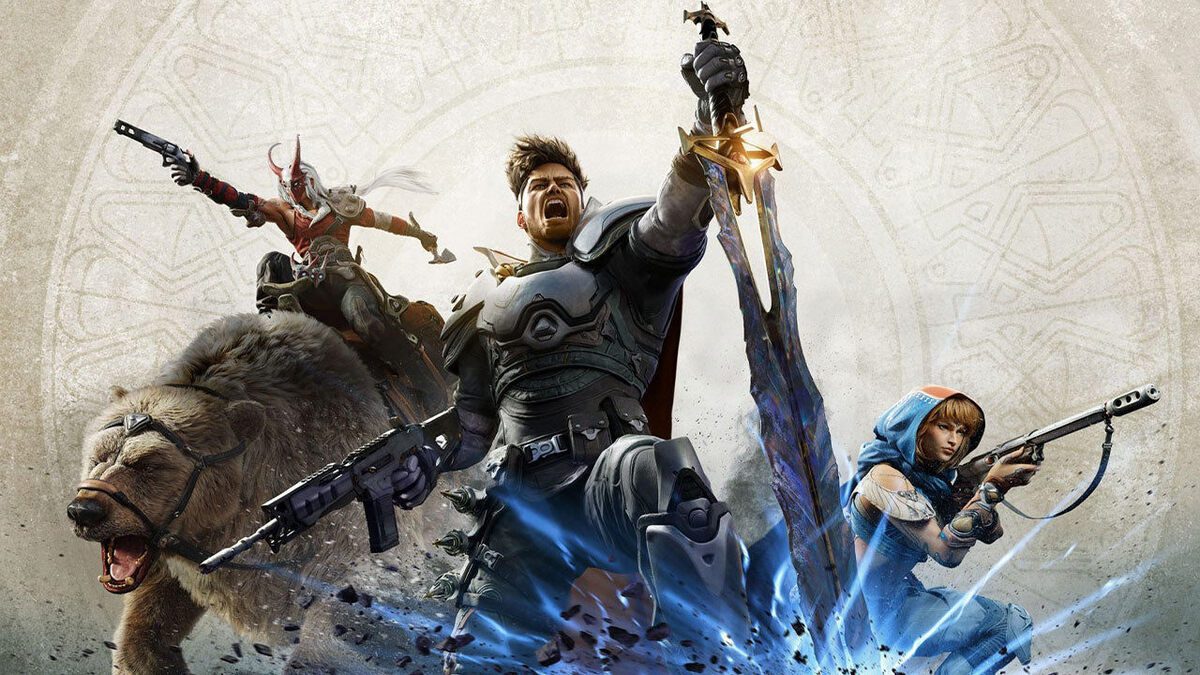
– Partnered to publish Lost Ark, which saw strong early success.
– Greenlit multiple projects, including two Tomb Raider games currently in development.
Despite these efforts, Amazon struggled to maintain consistent wins. Projects were canceled, studios were reorganized, and internal morale fluctuated as Amazon tried to find its identity in the gaming world.
🏚️ The Layoffs That Set the Stage
Amazon’s gaming division has been hit repeatedly by layoffs:- October 2025: Over 14,000 employees laid off, including significant cuts to AGS.
In January 2026: Another 16,000+ layoffs company-wide, with AGS again affected. These cuts led to the shuttering of New World Aeternum and the cancellation of a planned Lord of the Rings MMO.
The writing was on the wall: Amazon was stepping away from traditional game development and shifting focus toward its cloud gaming service, Luna.
🎤 The Controversial Quote That Followed Him
Hartmann also became known for a widely criticized statement in 2024, claiming that video games “don’t really have acting”—a remark that aged poorly in the era of Baldur’s Gate 3 and other performance-driven titles. While not the cause of his departure, the quote became symbolic of the disconnect some felt between AGS leadership and modern gaming culture.
Hartmann wasn’t just another executive—he was the architect of Amazon’s attempt to become a major player in gaming. His departure signals:
1. A Strategic RetreatAmazon appears to be deprioritizing big-budget game development in favor of cloud gaming and publishing partnerships.
2. A Reset for AGSWith multiple canceled projects and its flagship MMO shutting down, AGS is entering a rebuilding phase.
3. Uncertainty for Ongoing ProjectsThe Tomb Raider titles and unannounced games may face delays, restructuring, or even cancellation.
🔮 What’s Next for Amazon Games?
Amazon still has resources, IP partnerships, and a foothold in cloud gaming. But without Hartmann—and without a clear vision for AAA development—the future of AGS is uncertain.Possible paths forward:
– Focus on Luna as a competitor to Xbox Cloud Gaming and GeForce Now.
– Shift to publishing instead of developing games internally.
– Invest in transmedia (Prime Video + gaming synergy).
– Double down on live-service titles with external studios.
Christoph Hartmann’s departure is more than a leadership change—it’s a turning point in Amazon’s decade-long struggle to break into gaming. The company’s ambitions were massive, but the execution never fully aligned with the vision.
Now, with layoffs, canceled projects, and a strategic pivot underway, Amazon Games stands at a crossroads.
Whether it reinvents itself or fades into the background of the industry will depend on what comes next.