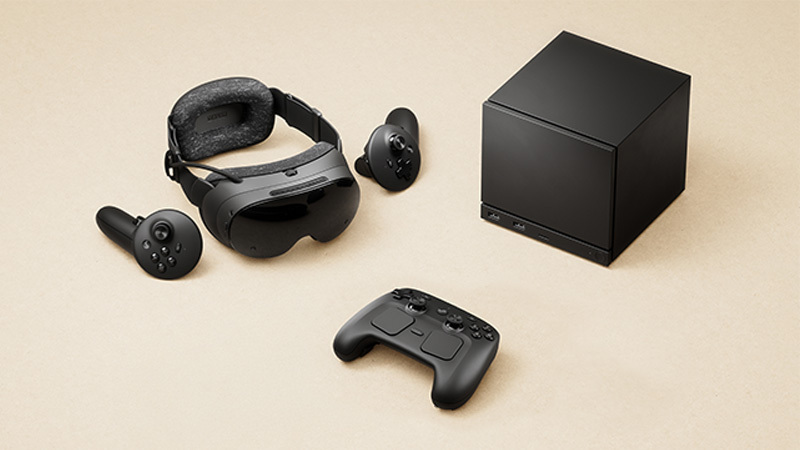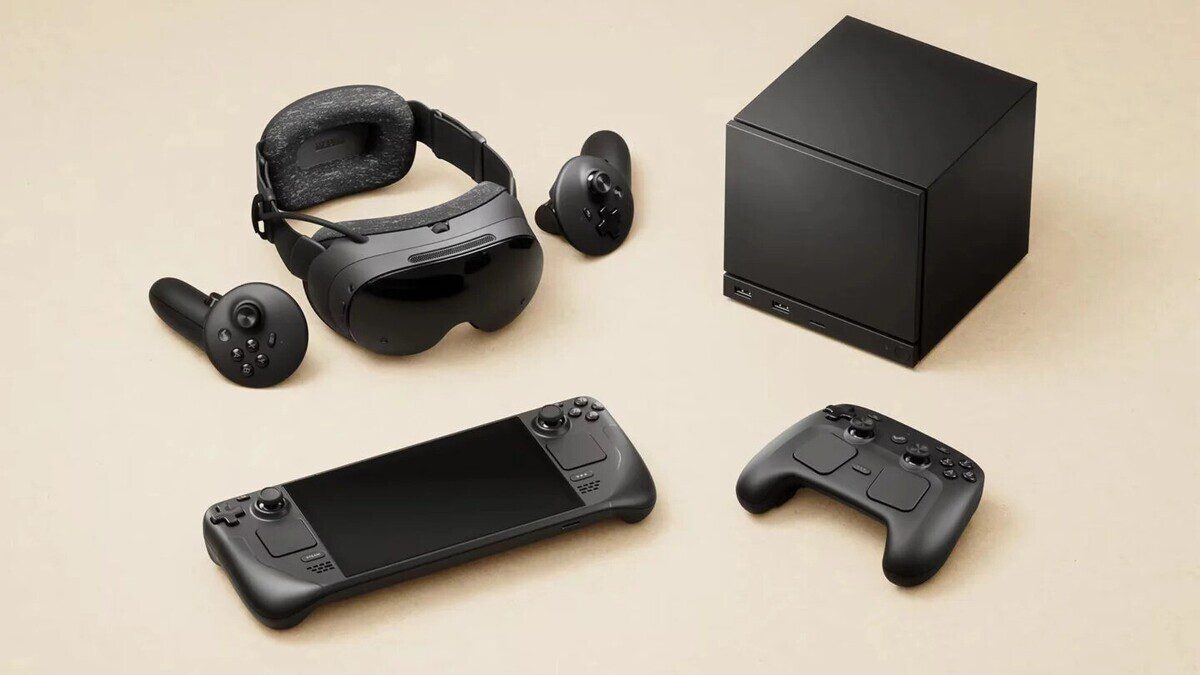
Valve’s return to the living‑room PC space has hit an unexpected crossroads. What was shaping up to be a confident relaunch of the Steam Machine concept has instead become a story defined by volatile hardware markets, shifting timelines, and a bold performance promise that has sparked equal parts excitement and skepticism.
In a recent update, Valve acknowledged that the rapidly rising cost of PC components has forced the company to postpone the announcement of final pricing and release dates for both the Steam Machine and its companion VR device, the Steam Frame. The company had originally expected to lock down these details shortly after the products’ reveal, but the surge in memory and component prices has made it impossible to commit to firm numbers. Valve stated that it still intends to ship both devices within the first half of the year, yet it needs more time to determine pricing that it can “confidently announce,” a shift directly attributed to the ongoing spike in hardware costs.
When will these be launching, and how much will they cost?
When we announced these products in November, we planned on being able to share specific pricing and launch dates by now. But the memory and storage shortages you’ve likely heard about across the industry have rapidly increased since then. The limited availability and growing prices of these critical components mean we must revisit our exact shipping schedule and pricing (especially around Steam Machine and Steam Frame).
Our goal of shipping all three products in the first half of the year has not changed. But we have work to do to land on concrete pricing and launch dates that we can confidently announce, being mindful of how quickly the circumstances around both of those things can change. We will keep you updated as much as we can as we finalize those plans as soon as possible.
In the meantime, we plan to use this blog to deliver additional content: From deep-dives into specific features (video and blog form) to updates and “what’s new” writeups. In this first go-round, we thought it would be helpful to answer some of the other most-asked-about topics surrounding the new hardware.
The delay comes at a moment when anticipation around the hardware’s capabilities is growing. In a separate communication, Valve claimed that internal testing shows the majority of Steam titles running at 4K resolution and 60 frames per second when using AMD’s FidelityFX Super Resolution (FSR) upscaling technology. According to the company, the system renders games at a lower internal resolution and relies on FSR to upscale the image, reducing GPU load while maintaining high‑resolution output. Valve positioned this as a key advantage for the compact PC, especially as comparisons to current‑generation consoles intensify.
How well can Steam Machine play newer, more demanding games on Steam?
In our testing the majority of Steam titles play great at 4K 60FPS with FSR on Steam Machine. That said, there are some titles that currently require more upscaling than others, and it may be preferable to play at a lower framerate with VRR to maintain a 1080p internal resolution.
In the meantime, we are working on HDMI VRR, investigating improved upscaling, and optimizing ray tracing performance in the driver, so we are approaching this from multiple angles.
The juxtaposition of these two developments paints a complicated picture. On one hand, Valve is signaling confidence in the machine’s performance envelope, leaning on FSR as a cornerstone of its 4K ambitions. On the other, the company is navigating a hardware market where memory shortages and price spikes have disrupted roadmaps across the industry. The Steam Machine and Steam Frame are not alone in facing these pressures, but the timing is particularly challenging for a product line attempting to re‑establish itself after the mixed reception of the original Steam Machines a decade ago.
For now, Valve maintains that both devices remain on track for a first‑half‑of‑the‑year release, even as pricing and launch specifics remain in flux. The company’s messaging suggests a desire to avoid overpromising in a market where component costs can shift week to week. Yet its performance claims—especially the assertion that most of the Steam library can hit 4K60 with FSR—set high expectations for what the compact PC will ultimately deliver.
As the hardware landscape continues to fluctuate, Valve’s next update may determine whether the Steam Machine’s second life arrives as a triumphant comeback or another experiment reshaped by forces outside the company’s control.