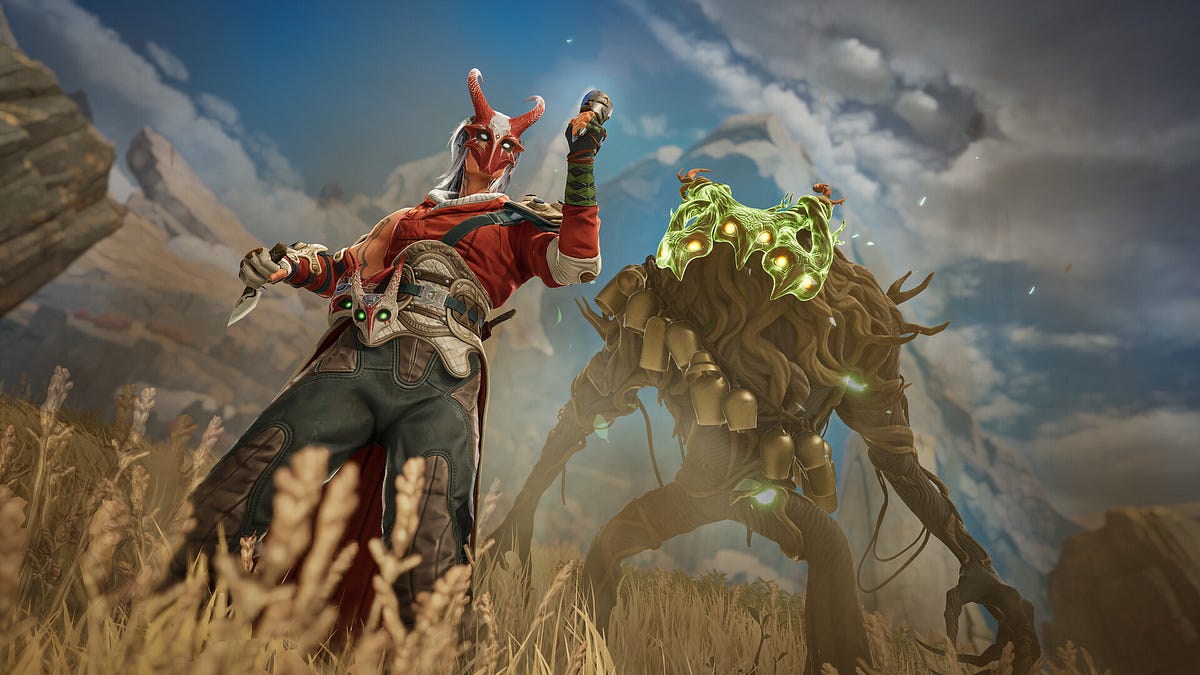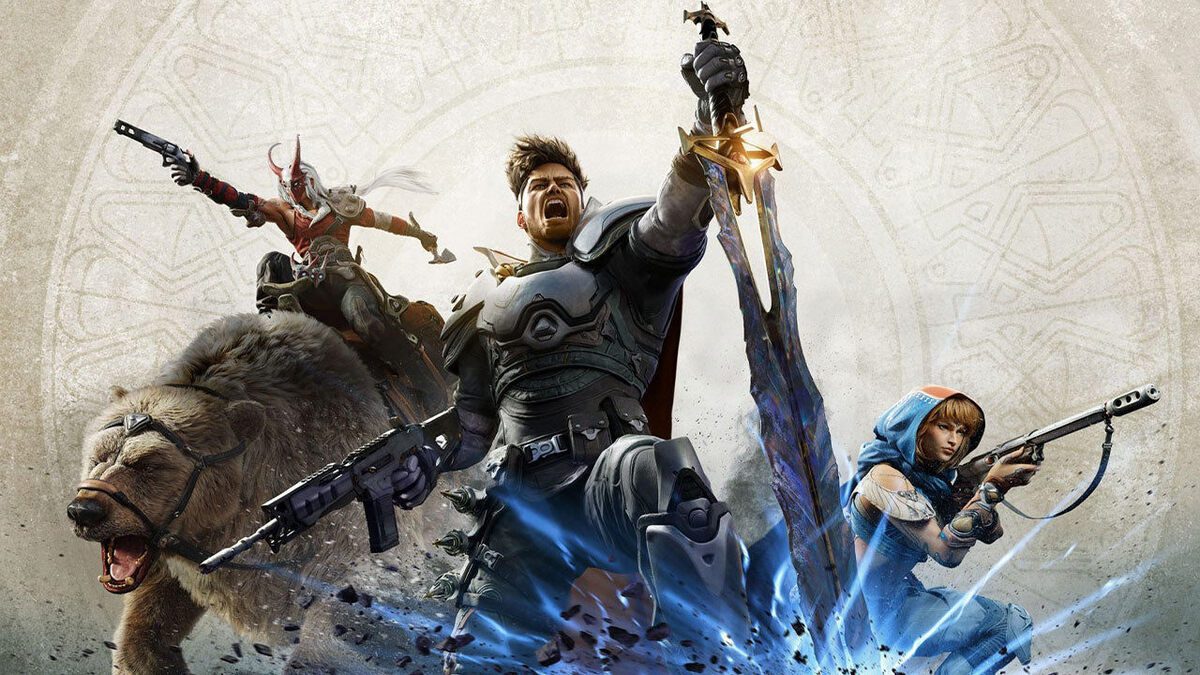
Wildlight Entertainment—the studio formed by several former Respawn Entertainment veterans—has reportedly been developing its debut title, Highguard, with funding from Tencent’s TiMi Studio Group. While neither company has publicly confirmed the arrangement, multiple industry sources indicate that TiMi provided early financial backing during Wildlight’s formation, giving the team the runway needed to prototype its new competitive shooter.
The revelation adds a new layer to the story of Highguard, a game that has already drawn attention for its pedigree. Wildlight’s leadership includes key figures behind Titanfall, Apex Legends, and Call of Duty, and the studio has been operating in relative secrecy since 2021.
Who Is Wildlight Entertainment?
Wildlight was founded by a group of high‑profile developers who left Respawn Entertainment after years of leading some of EA’s most successful shooter franchises. The founding team includes:
- Chad Grenier, former game director of Apex Legends
- Mohammad Alavi, former narrative design lead on Titanfall and Modern Warfare
- Rodney Reece, senior designer on Titanfall and Apex Legends
- Other Respawn veterans across engineering, art, and production
The studio’s mission from day one was clear: build a new, original competitive shooter without the constraints of a massive publisher. That independence, however, required funding—and that’s where Tencent reportedly stepped in.
Why Tencent’s TiMi Studio Group?
TiMi Studio Group is one of Tencent’s most powerful internal divisions, known for global hits like Call of Duty: Mobile, Honor of Kings, and Pokémon Unite. The group has spent the last several years investing in Western studios to expand its portfolio beyond mobile and into premium PC/console development.
Funding Wildlight fits that strategy perfectly:
- Access to top-tier shooter talent
- A foothold in the U.S. competitive FPS market
- A long-term partnership opportunity if Highguard succeeds
Sources suggest the funding was structured as a non-controlling investment, allowing Wildlight to maintain creative independence while benefiting from Tencent’s financial stability.
The Backstory of Highguard
Origins: A Post‑Apex Creative Explosion
After years of live-service development on Apex Legends, several Respawn leads wanted to return to building something from scratch. They envisioned a competitive shooter that blended:
- Hero-based abilities
- High-mobility combat
- Tactical team play
- A bright, stylized aesthetic
Early internal pitches described Highguard as a “next-generation arena shooter” with a focus on readability, fast decision-making, and strong character identity.
Development Timeline
2021: Wildlight forms quietly, begins prototyping
2022: TiMi reportedly provides early funding
2023: Studio expands, hires dozens of ex-Respawn and ex-Call of Duty developers
2024: Wildlight publicly announces it is working on a “new, original IP”
2025: Highguard leaks through job listings and early playtest reports
By late 2025, the game had entered structured playtesting, with early impressions describing it as a hybrid of Apex Legends, Overwatch, and Valorant, but with a more fluid movement system.
What Highguard Is Trying to Be
While Wildlight hasn’t officially revealed gameplay, industry insiders describe Highguard as:
- A 6v6 or 5v5 competitive shooter
- Hero-based, but with more mobility than Overwatch
- Less battle royale, more arena-focused
- Designed for esports from day one
The team’s Respawn DNA is evident: smooth movement, tight gunplay, and a focus on player expression.
Why the Funding Matters
Tencent’s involvement signals that Highguard is not a small indie experiment—it’s a major, globally backed project. TiMi’s support gives Wildlight:
- Long-term development runway
- Access to global publishing infrastructure
- Potential cross-platform support
- Freedom from the quarterly pressure of a traditional publisher
At the same time, Wildlight retains creative control, avoiding the pitfalls that often come with large corporate ownership.
What Comes Next
Wildlight is expected to formally reveal Highguard sometime in 2026, with a closed beta likely to follow. If the game delivers on its promise, it could become the next major contender in the competitive shooter space—one built by the same minds who helped define the genre over the last decade.
For now, the partnership between Wildlight and Tencent remains unofficial, but the pieces fit together: a new studio with AAA ambitions, a global publisher eager to expand, and a shooter poised to make waves.