

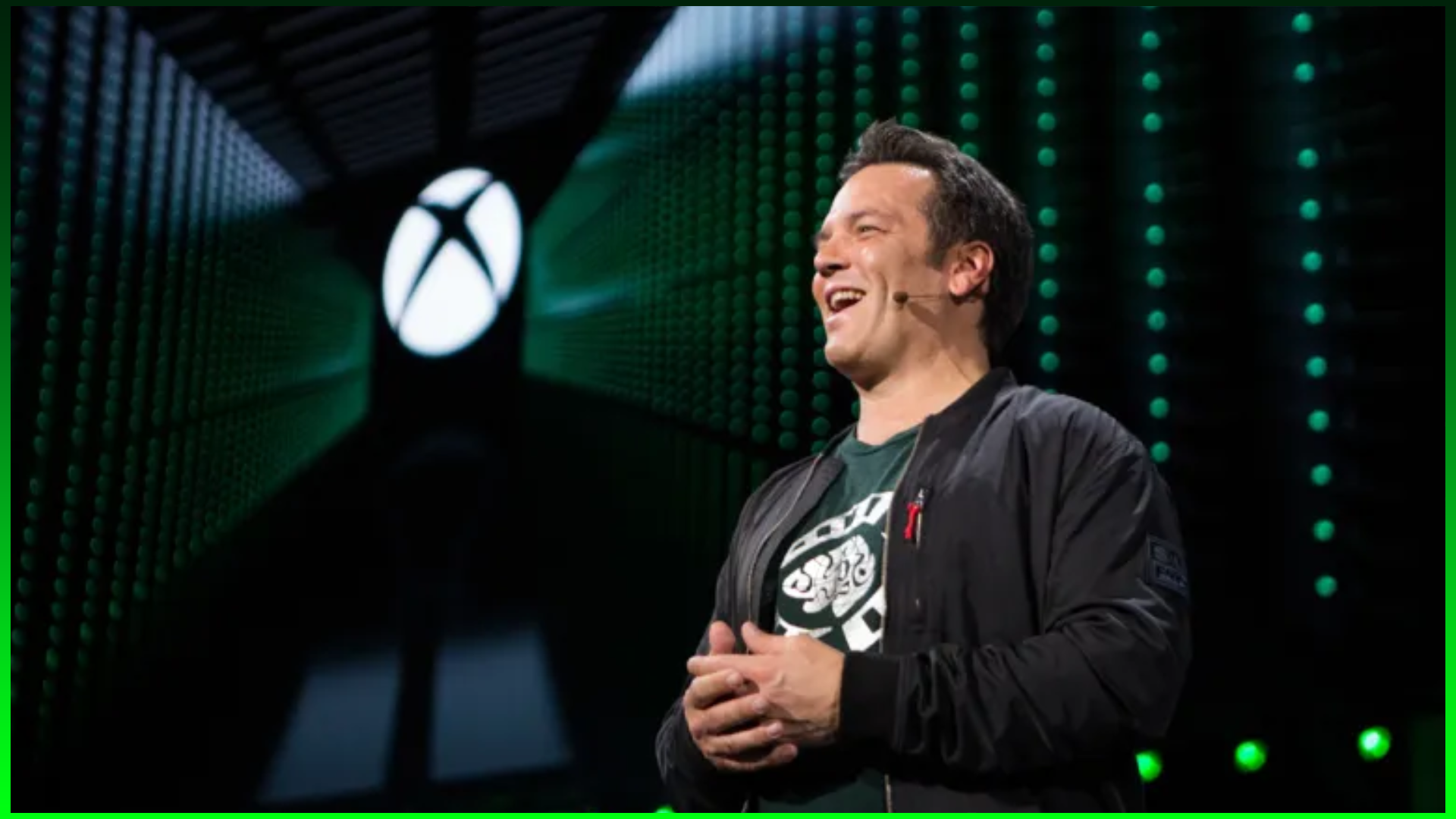
Microsoft Gaming is entering a new era. After nearly four decades shaping the Xbox brand from its scrappy early days to a global entertainment ecosystem, Phil Spencer is retiring as CEO of Microsoft Gaming. His departure coincides with the exit of Xbox president Sarah Bond and a sweeping leadership realignment that elevates Matt Booty and introduces Asha Sharma—formerly a rising force in Microsoft’s CoreAI division—as the new head of Xbox.
This is not a small reshuffle. It’s a tectonic shift that signals a philosophical pivot inside Microsoft: from a hardware‑anchored gaming division to a content‑and‑AI‑driven entertainment platform.
1. The End of the Phil Spencer Era
Phil Spencer’s legacy is inseparable from modern Xbox history. Joining Microsoft in the late 1980s, he rose through the ranks of Xbox Game Studios, eventually taking over the entire gaming division during one of its darkest moments—the aftermath of the Xbox One launch. Under his leadership, Xbox rebuilt its reputation through consumer‑friendly policies, cross‑platform initiatives, and a renewed focus on first‑party content.
Spencer also spearheaded the acquisitions of Bethesda, Activision Blizzard, Mojang, and others, consolidating nearly 40 studios under the Microsoft Gaming umbrella. These moves transformed Xbox from a hardware‑centric business into one of the largest content portfolios in the industry.
But the last few years have been turbulent. Xbox revenue fell nearly 10% in the December quarter—steeper than internal projections—and Game Pass growth plateaued.
Spencer’s retirement, while framed as a natural transition after 38 years, arrives at a moment when Microsoft is clearly reevaluating its gaming strategy.
2. Sarah Bond’s Departure: A Surprising Turn
Sarah Bond’s rise within Xbox was meteoric. Promoted to president of Xbox in 2023, she oversaw hardware, software platforms, and the long‑term roadmap for next‑gen devices. Her leadership was widely praised, and she was often seen as Spencer’s natural successor.
Her exit, therefore, is one of the most unexpected elements of this shake‑up. While Microsoft has not publicly detailed the reasons, several logical factors may have contributed:
Possible contributing factors
- Strategic realignment toward AI‑first leadership: With Microsoft’s corporate strategy now deeply intertwined with AI, the company may have prioritized leaders with direct AI product experience.
- Internal restructuring after the Activision Blizzard acquisition: The integration of massive studios created overlapping responsibilities, prompting Microsoft to consolidate decision‑making.
- Performance pressures: Xbox’s recent revenue dip and slower‑than‑expected Game Pass growth likely intensified scrutiny on leadership.
Bond’s departure marks the end of an era where Xbox leadership was heavily rooted in platform stewardship and ecosystem building.
3. Matt Booty’s Promotion: Content Becomes King
Matt Booty, long‑time head of Xbox Game Studios, is being promoted to chief content officer. This is a strategic elevation: Microsoft is signaling that content—not hardware—is the core of Xbox’s future.
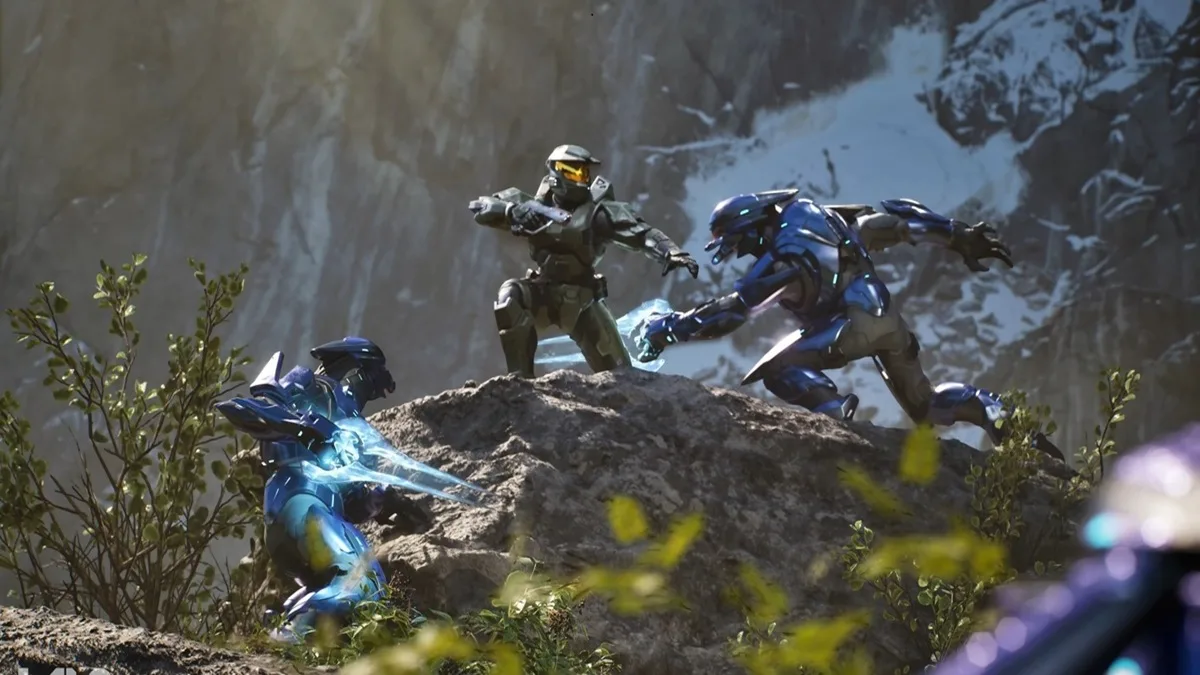
Booty now oversees the output of Activision, Bethesda, Blizzard, King, Mojang, and all Xbox Game Studios. This consolidation suggests Microsoft wants tighter creative alignment across its franchises, from Call of Duty to Halo to Minecraft.
It also hints at a future where Xbox’s identity is defined less by consoles and more by the universes it owns.
4. Asha Sharma: The New Face of Xbox
Asha Sharma, previously president of product development for Microsoft’s CoreAI division, is stepping in as the new chief and executive vice president of Microsoft Gaming.
Her background is telling:
- Deep AI product leadership
- Experience scaling consumer platforms (Instacart, Meta)
- A track record of operational transformation
Sharma’s appointment signals a future where Xbox becomes a testbed for Microsoft’s AI ambitions—across game development, player experiences, and platform services.
This is the clearest sign yet that Microsoft sees gaming not just as entertainment, but as a proving ground for next‑generation AI‑driven consumer technology.
5. How We Got Here: The Logical Chain
Several long‑term trends likely converged to produce this leadership overhaul:
1. The Activision Blizzard acquisition changed everything
Absorbing one of the largest publishers in the world forced Microsoft to rethink its organizational structure. The old hierarchy simply wasn’t built for a 40‑studio empire.
2. AI became Microsoft’s top corporate priority
With Satya Nadella pushing AI into every division, Xbox needed leadership aligned with that mission.
3. Hardware stagnation and shifting consumer behavior
Xbox Series X|S underperformed relative to expectations, and cloud gaming adoption has been slower than projected.
Microsoft may be preparing to deemphasize hardware in favor of services and cross‑platform content.
4. Financial pressure
A nearly 10% revenue decline in the Xbox business during the December quarter raised alarms.
5. Internal succession planning
Spencer’s 38‑year tenure meant a transition was inevitable. The question was always when, not if.
6. What This Means for the Future of Xbox
This leadership shift is not just about personnel—it’s about direction.
A. AI‑Driven Game Development
Expect Microsoft to integrate AI into every layer of game creation:
- procedural worldbuilding
- AI‑assisted art and animation
- smarter NPC behavior
- automated QA pipelines
Sharma’s background makes this almost certain.
B. A More Aggressive Multi‑Platform Strategy
With content now centralized under Booty, Microsoft may accelerate its push to bring Xbox titles to PlayStation, Nintendo, and PC.
The goal: maximize reach, not console sales.
C. Game Pass Reinvention
Stagnation in subscription growth means Game Pass will likely evolve—possibly with AI‑personalized recommendations, dynamic pricing, or new tiers.
D. Hardware Becomes Secondary
Xbox consoles will still exist, but they may no longer be the centerpiece.
Microsoft’s leaked plans for a hybrid next‑gen device and cloud‑first architecture already hinted at this shift.
E. A Unified Microsoft Entertainment Ecosystem
Gaming, AI, cloud, and consumer services may merge into a single strategic pillar—something Spencer began, but Sharma is positioned to accelerate.
7. The Bottom Line
Phil Spencer’s retirement marks the end of one of the most influential leadership eras in gaming history. Sarah Bond’s departure underscores the magnitude of the transition. And Asha Sharma’s appointment signals a bold, AI‑centric future for Xbox.
This is not just a leadership change—it’s a redefinition of what Xbox is and what Microsoft Gaming will become.
The next few years will determine whether this gamble transforms Xbox into the world’s most advanced entertainment platform… or marks the beginning of a more uncertain chapter.






One Comment