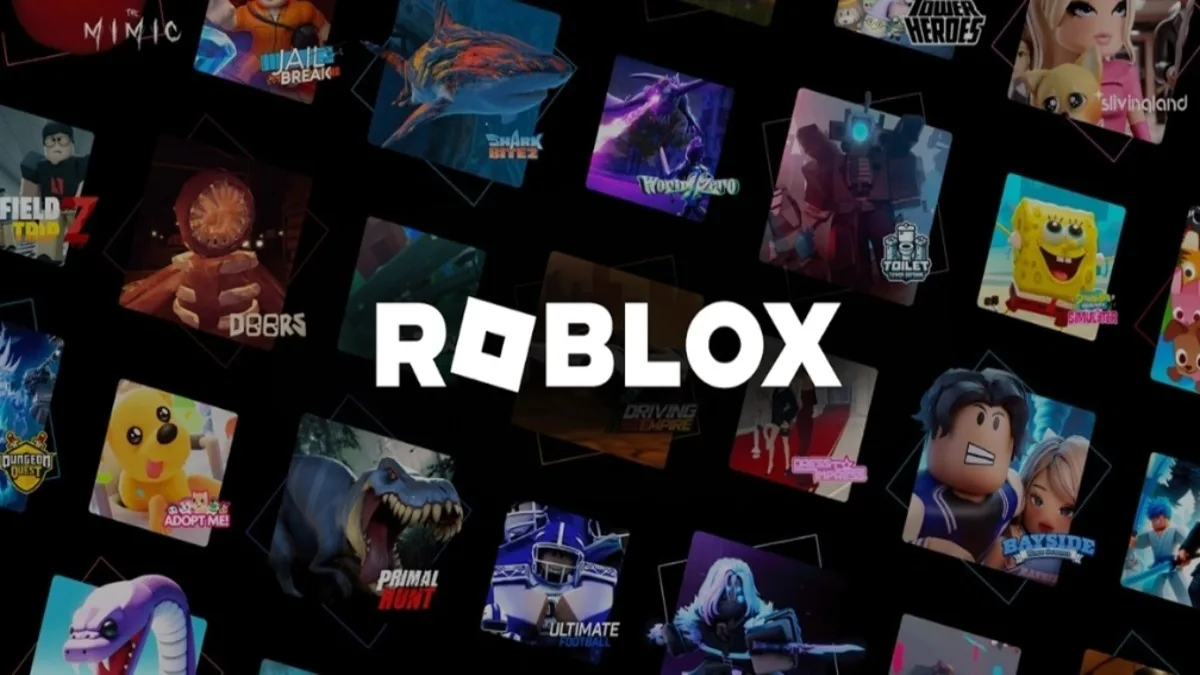
Roblox entered Q2 with something to prove. After years of being dismissed as a “kids’ game,” a pandemic-era fad, or a chaotic social sandbox with no clear identity, the company has spent the last eighteen months reshaping its narrative. And in its latest quarterly results, Roblox delivered the kind of numbers that force even its loudest skeptics to pay attention: a 36% year‑over‑year revenue jump, reaching $1.5 billion.
That figure isn’t just a financial milestone — it’s a statement of intent. Roblox is no longer fighting for legitimacy. It’s fighting for dominance.
A Platform Growing Faster Than Its Critics Can Keep Up
Roblox’s growth curve has always been unconventional. Unlike traditional publishers, Roblox doesn’t rely on tentpole releases or seasonal spikes. Its economy is powered by millions of creators, thousands of micro‑communities, and a constant churn of user‑generated experiences that behave more like social networks than video games.
This quarter’s revenue surge reflects that ecosystem maturing.
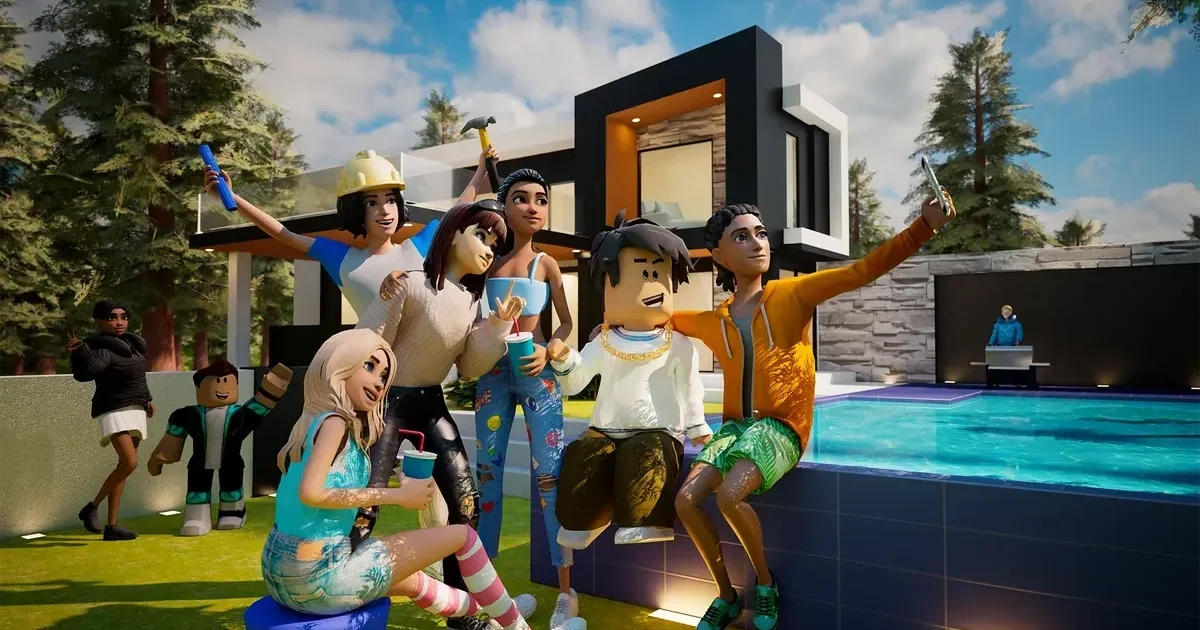
Daily active users continue to rise, engagement hours remain staggering, and the platform’s demographic shift — once a slow drip — has become a measurable trend. Roblox is no longer just a playground for children; it’s increasingly a social hub for teens, young adults, and even brands looking for persistent digital spaces.
The company’s leadership has repeatedly emphasized one goal: turn Roblox into the default metaverse platform before anyone else figures out how to build one. Q2’s numbers suggest they’re getting closer.
The Economics Behind the Boom
Roblox’s revenue model is deceptively simple: sell Robux, let creators build whatever they want, and take a cut. But the underlying economics are far more sophisticated.
The 36% revenue increase signals three things:
- Higher spending per user — not just more players, but more monetization opportunities.
- More creators reaching sustainable income levels, which strengthens the platform’s content pipeline.
- Roblox’s push into advertising and brand partnerships beginning to show early traction.
The company has been quietly building an ad network designed specifically for immersive environments — something traditional digital advertisers still struggle to understand. Roblox’s bet is that the future of ads isn’t banners or pre‑rolls; it’s interactive experiences woven into the fabric of virtual worlds.
If that bet pays off, Q2’s growth may be the beginning of a much larger revenue transformation.
The Metaverse That Actually Exists
While Meta continues to burn billions trying to convince the world that the metaverse is coming, Roblox has simply… built one.
It’s messy, chaotic, and sometimes bizarre — but it’s real. People gather there. They socialize there. They spend money there. They build careers there.
Roblox’s Q2 results reinforce a truth the industry has been slow to acknowledge: the metaverse isn’t a headset‑driven future fantasy. It’s a platform where people already spend their digital lives.
And Roblox is winning that race by default.
Challenges Beneath the Momentum
Roblox’s success doesn’t come without friction.
The company continues to face scrutiny over safety, moderation, and the complexities of managing a massive youth‑driven audience. Its creator economy, while thriving, still struggles with payout delays, algorithmic visibility issues, and the tension between platform control and creator freedom.
But Roblox’s Q2 performance shows that none of these challenges have slowed its momentum. If anything, the company’s willingness to confront them head‑on has strengthened investor confidence.
Why This Quarter Matters for the Gaming Industry
Roblox’s 36% revenue surge isn’t just a financial headline — it’s a warning shot to the rest of the industry.
Publishers still chasing traditional release cycles are watching a platform generate billions without a single “AAA launch.” Console manufacturers are watching a mobile‑first ecosystem outperform entire hardware generations. And every company trying to build a metaverse is watching Roblox quietly become the one people actually use.
Roblox isn’t just growing. It’s redefining what growth looks like in modern gaming.
The Road Ahead
If Roblox maintains this trajectory, the conversation around the platform will shift permanently. It will no longer be framed as a quirky social game or a creative sandbox. It will be recognized as one of the most influential digital ecosystems in the world — a place where entertainment, commerce, and community collide.
Q2’s $1.5 billion revenue milestone is more than a number. It’s a reminder that Roblox has outgrown its reputation, outpaced its competitors, and outmaneuvered the metaverse giants.
The platform that once looked like a toy is now shaping the future of digital life.