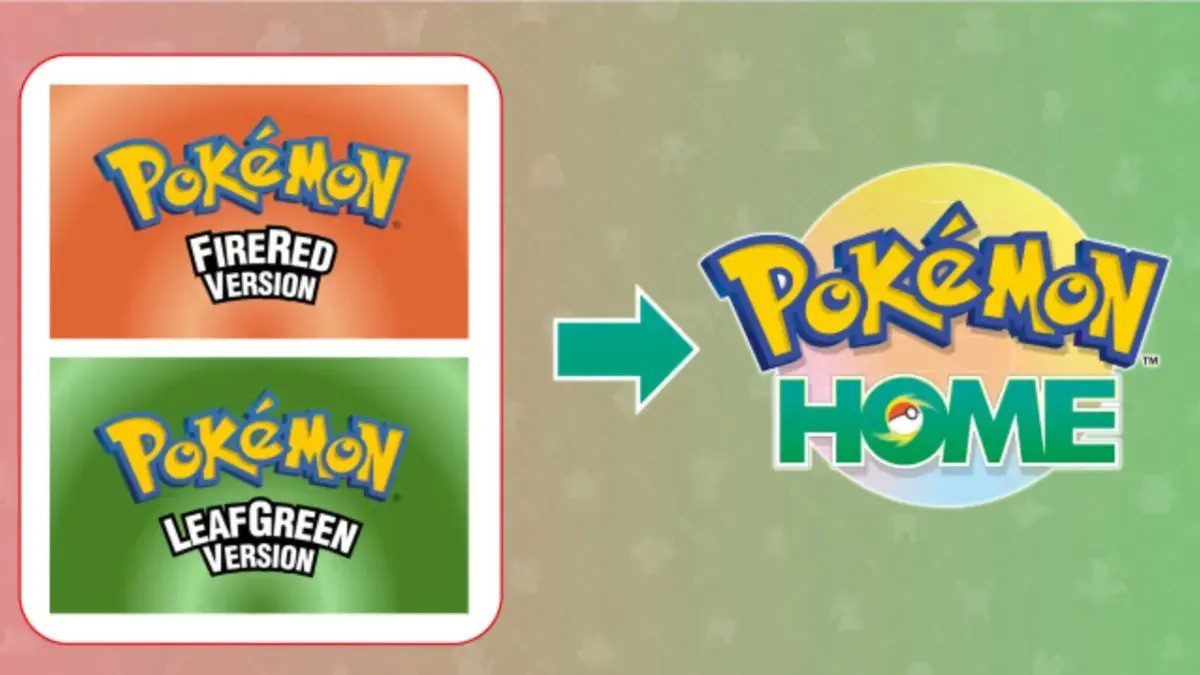
On August 14, 2026, The Pokémon Company quietly delivered two announcements that—when placed side‑by‑side—paint a far more dramatic picture of the franchise’s future than either headline suggests. One is an ending: Pokémon Bank will officially shut down on February 26, 2027, closing the door on a decade of 3DS‑era cloud storage. The other is a beginning: Pokémon Home will soon support FireRed and LeafGreen, the Game Boy Advance classics recently re‑released on Nintendo Switch.
Individually, these updates are simple infrastructure notes. Together, they signal a philosophical shift in how Pokémon handles its past, its preservation, and its increasingly fragmented ecosystem.
This is the story of a franchise trying to modernize while still carrying the weight of 30 years of history—and the millions of players who refuse to let that history fade.
The End of Pokémon Bank: A Final Goodbye to the 3DS Era
Pokémon Bank launched in 2014 as a solution to a problem only Pokémon could have: how do you preserve creatures that players have carried forward for literal decades? It became the bridge between eras, allowing transfers from DS and 3DS titles into a unified cloud vault. For many fans, Bank wasn’t just an app—it was a museum, a memory box, a living archive of childhood teams and event Pokémon long since unobtainable.
But on February 26, 2027, that bridge collapses.
Once the shutdown hits:
- Bank will no longer connect to Nintendo’s servers.
- Transfers from older titles into Pokémon Home will cease.
- Any Pokémon still stranded in Bank will be permanently stuck unless moved beforehand.
The timing is almost poetic—maybe intentionally so. The shutdown lands one day before Pokémon Day, the annual celebration of Red and Green’s original release in Japan. With Pokémon Day falling on a Saturday in 2027, the Friday shutdown practically guarantees a Pokémon Presents showcase. Fans are already speculating that The Pokémon Company will try to soften the blow with major announcements.
But even with a flashy presentation, the consequences are unavoidable.
The Living Dex Problem
The modern Pokémon ecosystem is fractured. Not all 1025 Pokémon are available on Nintendo Switch titles. Some exist only in Pokémon Go. Others are locked behind limited‑time events. Bank’s removal makes the Living Dex challenge—owning every species legitimately—significantly harder.
For longtime fans, this isn’t just an inconvenience. It’s a philosophical contradiction: Pokémon is a franchise built on continuity, yet its digital infrastructure is increasingly discontinuous.
Pokémon Home Expands: FireRed & LeafGreen Step Into the Modern Era
On the same day Bank’s shutdown was announced, The Pokémon Company revealed a major update for Pokémon Home: version 4.1.0, arriving October 2026, will finally allow connectivity with the newly released Nintendo Switch ports of Pokémon FireRed and LeafGreen.
This is more than a nostalgic bonus. It’s a strategic pivot.
A New Reward for Completionists
Players who complete the FireRed or LeafGreen Pokédex will receive Celebi directly in Pokémon Home’s mobile app. No transfer required. No hoops. Just a clean reward for finishing a classic Pokédex.
This is a stark contrast to older titles, where transferring a Pokémon into Home was mandatory to unlock rewards. The new system suggests Pokémon Home is evolving into a centralized registry, not just a storage box.
A One‑Way Transfer System
There’s a catch—one that reveals The Pokémon Company’s long‑term intentions.
Pokémon moved out of FireRed or LeafGreen cannot be transferred back. Pokémon stored in Home cannot be sent into those titles.
This is a one‑way migration, reinforcing the idea that Home is the final destination for legacy Pokémon. Once they enter the modern ecosystem, they stay there.
Storage Expansion and Go Integration
The update also increases Home’s Premium Plan storage from 6,000 to 9,000 Pokémon, without raising the subscription price. And Pokémon caught in Safari Balls in Pokémon Go will now appear in Home as Strange Balls, a quirky nod to cross‑game compatibility.
These changes show that Home is becoming the definitive Pokémon archive—just as Bank prepares for burial.
A Franchise at a Crossroads
When you place both announcements side‑by‑side, a clear narrative emerges:
- Pokémon Bank is the past.
- Pokémon Home is the future.
- The transition will not be painless.
The shutdown of Bank is more than a technical sunset—it’s the end of the last official pathway for preserving Pokémon from the DS and 3DS generations. Meanwhile, Home’s new features demonstrate a commitment to integrating legacy titles into a modern, unified ecosystem.
But the tension remains: Pokémon is a franchise built on continuity, yet its digital infrastructure is increasingly fragmented. The company is trying to modernize without abandoning its past, but the cracks are showing.
What Comes Next?
With Pokémon Day 2027 landing immediately after Bank’s shutdown, fans expect a major announcement—possibly a new mainline title, a preservation initiative, or a new system for legacy transfers.
Whatever The Pokémon Company reveals, one thing is clear: Pokémon is entering a new era where digital preservation, accessibility, and continuity are no longer optional—they’re existential.
The franchise’s future depends on how gracefully it can carry its past forward.
And for millions of players who still treasure their old teams, the clock is ticking.