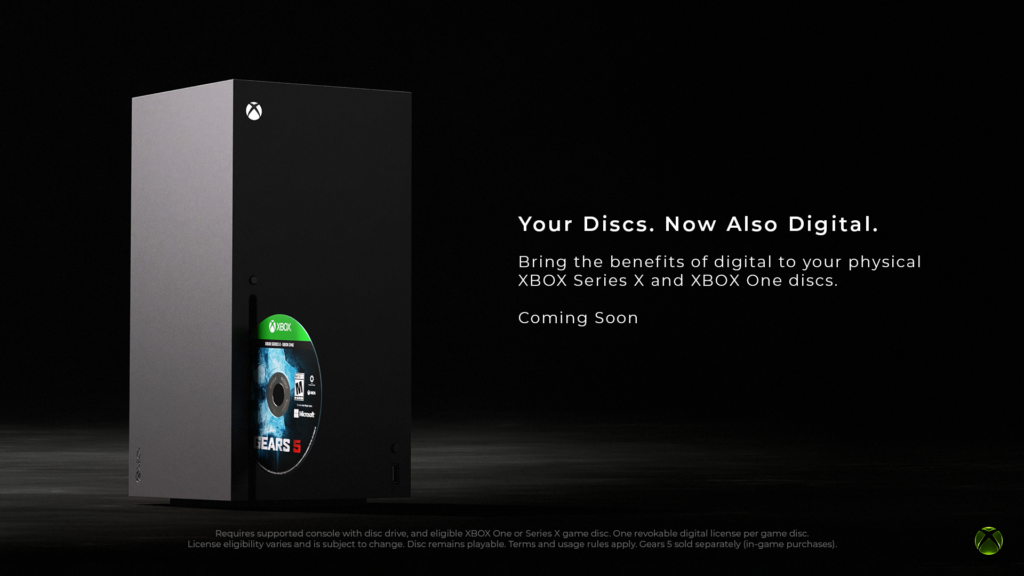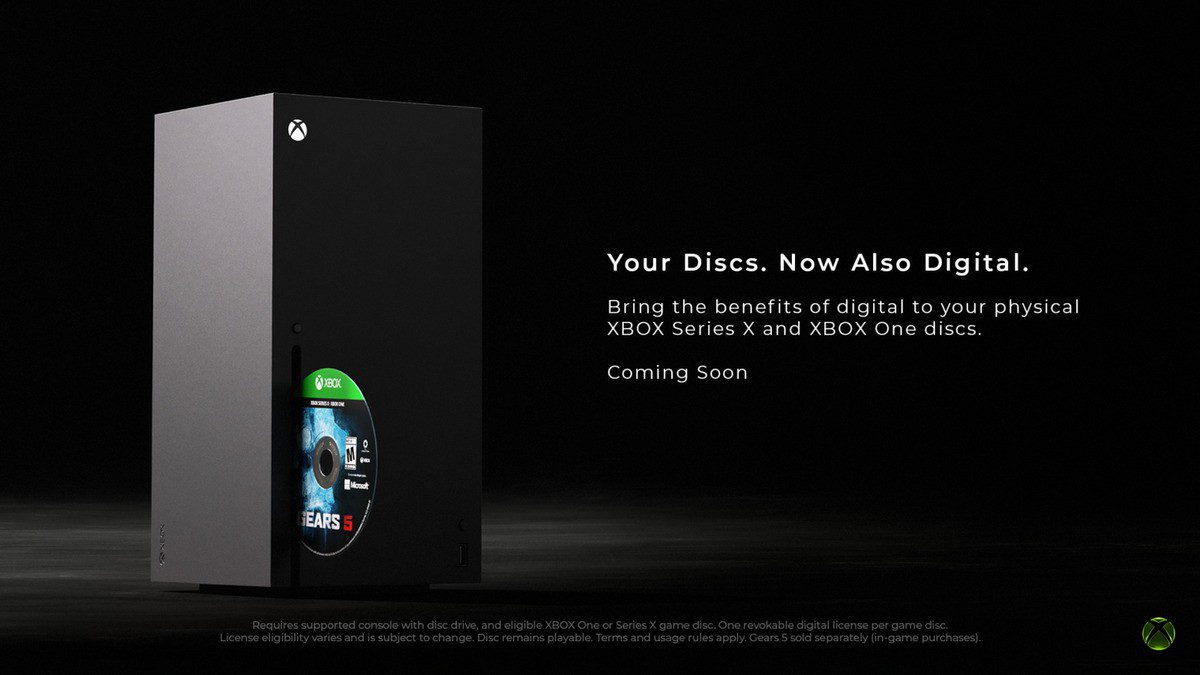
Xbox’s “Your Discs. Now Also Digital.” marks one of the most consequential pivots in modern game preservation — not because it abandons physical media, but because it tries to bridge it. In contrast, PlayStation’s January 2028 policy is a clean, irreversible break: a full transition to digital-only distribution for all new releases. Together, these moves define the industry’s next era — but they arrive from opposite philosophies, opposite messaging, and opposite relationships with physical collectors.
When Microsoft unveiled Your Discs. Now Also Digital. on August 26, 2026, it wasn’t just announcing a new feature — it was making a statement about the future of game ownership. The Xbox Wire post, authored by Jason Ronald, framed the initiative as a preservation‑first effort: a way to ensure that the games players bought over decades remain accessible across evolving hardware and distribution models.
The pitch is simple but transformative: insert a supported Xbox One or Xbox Series X disc, launch the game, and claim a digital entitlement. Once claimed, the game behaves like any digital purchase — playable without the disc, compatible with Xbox Play Anywhere, and eligible for Xbox Cloud Gaming where supported. The disc still works normally, and the entitlement is tied to the disc itself, not the console.
This is not a pivot away from physical media. It’s an attempt to extend it.
A Preservation‑Driven Strategy
Microsoft’s messaging is unusually clear: this is about protecting libraries. Ronald emphasizes that “preserving access to the games people own matters more than ever,” especially as technology and distribution evolve.
The program launches with “thousands of titles,” with more added over time. Most Xbox One and Series X discs are supported, though Series S owners — lacking a disc drive — are excluded.
This approach positions Xbox as the platform trying to maintain continuity across generations. It echoes the company’s long‑running backward‑compatibility efforts and its public commitment to game preservation.
But it also arrives during a turbulent moment for Microsoft: layoffs affecting more than 3,000 employees, studio closures, and a strategic reset under CEO Asha Sharma.
Even so, the disc‑to‑digital program feels like a return to the company’s original 2013 vision for Xbox One — a vision that was abandoned after backlash. Now, a decade later, the industry has caught up to the idea.
PlayStation’s January 2028 Shift: A Full Break With Physical Media
Sony’s announcement, published July 1, 2026, is the polar opposite of Microsoft’s. Starting January 2028, PlayStation will stop producing physical discs for all new games. Every new title — first‑party or third‑party — will be digital‑only.
The messaging is blunt: this is “a natural direction” driven by consumer trends, with digital downloads representing 85% of full‑game sales in the most recent quarter.
Unlike Xbox, Sony is not trying to preserve physical media. It is declaring its end.
A Market‑Driven Decision
Sony’s financial data shows physical game revenue has shrunk to roughly 3% of total PlayStation income. Digital software and add‑on content now dominate the business.
The company stresses that existing discs will continue to work, and any game released before January 2028 remains unaffected. But the future is clear: PlayStation 6 will be a digital‑only ecosystem.
The announcement also follows a week of controversy over GTA VI shipping its “physical” edition as a box containing only a download code — a moment that reignited debates about ownership and preservation.
Sony’s stance is not preservation‑driven. It is efficiency‑driven.
Microsoft vs. Sony: Two Philosophies, Two Futures
Microsoft: Physical as a Gateway to Digital
- Disc remains functional
- Digital entitlement tied to the disc
- Thousands of supported titles at launch
- Messaging centered on preservation and continuity
- A hybrid future: physical + digital coexist
Sony: Physical Ends for New Releases
- No new discs after January 2028
- Digital‑only distribution for all new games
- Driven by sales data and market trends
- Messaging centered on consumer behavior
- A fully digital future: physical becomes legacy
Sony’s move is definitive. Microsoft’s is transitional.
Where PlayStation sees physical media as obsolete, Xbox sees it as a bridge — a way to maintain ownership continuity while embracing digital convenience.
Did Xbox Disband Its Physical Media Mediation Team in 2024–2025?
This question has circulated in enthusiast communities for years: Did Microsoft quietly dissolve the internal team responsible for coordinating physical releases with third‑party publishers?
Based on available reporting, there is no confirmed public statement from Microsoft verifying that such a team was formally disbanded in 2024 or 2025. No major outlet — including The Verge, Polygon, GameSpot, or Game Developer — has published documentation confirming the dissolution of a physical‑media mediation group.
However, industry reporting does show:
- Microsoft has increasingly deprioritized physical distribution since 2023.
- Multiple leaks and insider reports suggested reduced investment in physical retail partnerships.
- The July 2026 backend leak (“enable Disc2Digital”) indicated a shift toward digital entitlements.
Inference (clearly labeled): Given the company’s strategic direction, layoffs, and the disc‑to‑digital program’s emergence, it is plausible that internal restructuring affected physical‑media coordination teams — but without public confirmation, this remains speculative.
Why Xbox’s Announcement Matters More Than It Seems
Microsoft’s disc‑to‑digital program is not just a convenience feature. It is a philosophical stance:
- Ownership should persist across generations.
- Physical purchases should not become obsolete.
- Digital convenience should not erase physical rights.
Sony’s stance is equally clear — but in the opposite direction:
- Digital is the future.
- Physical is no longer worth supporting.
- Market data justifies the transition.
Both companies are responding to the same trend, but their solutions reflect different identities.
Xbox is building a bridge. PlayStation is closing a chapter.
Conclusion: A Split in the Industry’s DNA
The gaming industry is entering a new era where physical media is no longer the default. But how that transition happens matters.
Microsoft is trying to preserve the past while embracing the future. Sony is choosing to start fresh, fully digital, beginning January 2028.
For players, collectors, archivists, and historians, the difference is enormous.
Xbox’s announcement is a lifeline for preservation. PlayStation’s is a declaration of digital dominance.
Both moves will shape how games are owned, accessed, and remembered for decades to come.