For more than a decade, Microsoft has chased the same horizon: transforming Xbox into a true PC gaming powerhouse. The company has the studios, the franchises, the infrastructure, and the money. What it hasn’t had is the one metric that defines success in PC gaming — retention. Steam dominates because players stay. They return daily, weekly, monthly. They build libraries, communities, habits. Steam is gravity.
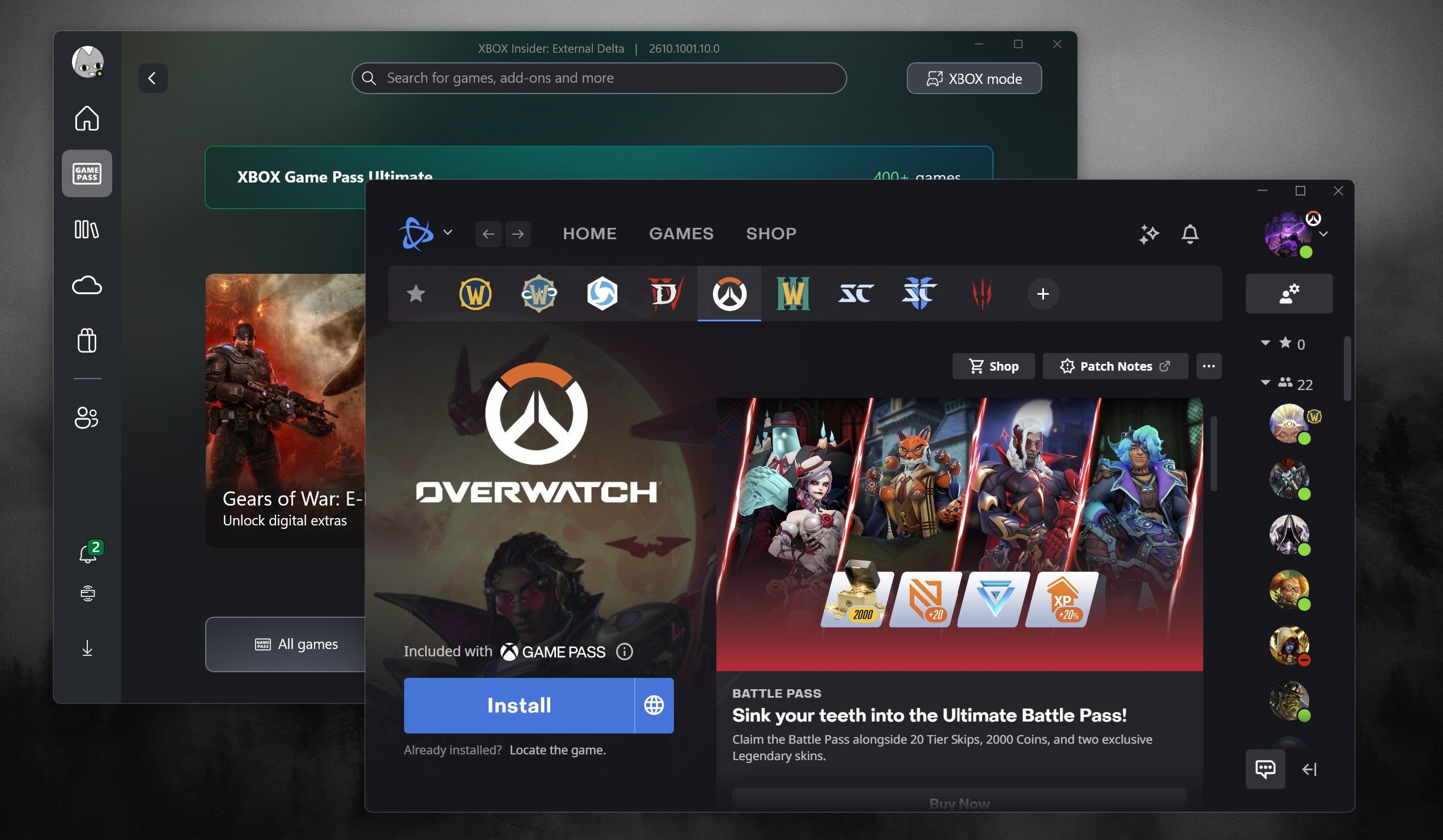
Microsoft wants that gravity. And now, after acquiring Activision Blizzard, the company finally has a tool capable of generating it: Battle.net.
The new strategy emerging inside Xbox is bold, aggressive, and surprisingly pragmatic. Instead of forcing players into the Xbox app or trying to compete head‑to‑head with Steam, Microsoft is building a multi‑platform ecosystem where Battle.net becomes a retention engine, the Xbox app becomes a subscription hub, and Steam remains a distribution giant. The goal isn’t to replace anything — it’s to make Xbox games sticky no matter where players launch them.
This is the most significant shift in Microsoft’s PC gaming identity since the death of Games for Windows Live.
Battle.net: The Unexpected Centerpiece of Xbox’s PC Ambition
Battle.net has always been Blizzard’s fortress — a launcher built for long‑tail engagement, massive live‑service communities, and frictionless patching. It’s stable, familiar, and trusted. Blizzard fans don’t just use Battle.net; they live in it.
Microsoft sees an opportunity in that loyalty.
By integrating more Xbox and Activision titles into Battle.net, the company gains access to a platform with retention metrics that rival Steam, especially for games that thrive on seasonal updates, competitive play, and social ecosystems. Battle.net’s infrastructure is built for:
- fast patch deployment
- reliable cross‑play
- persistent social features
- long‑term engagement loops
These are areas where the Xbox app has historically struggled. Battle.net, meanwhile, has spent decades perfecting them.
Microsoft’s plan is simple: If Battle.net keeps players active, then more Xbox games should live there.
More Games, More Support, and a Unified PC Identity
Microsoft’s PC problem has never been content. It owns Halo, Diablo, Call of Duty, Doom, Elder Scrolls, Fallout, Forza, Gears, Overwatch, and dozens more. The issue has been fragmentation.
The Xbox app is tied to Game Pass. The Microsoft Store is tied to Windows. Steam is tied to the entire PC gaming culture. Battle.net is tied to Blizzard’s legacy.
Microsoft’s new strategy embraces this fragmentation instead of fighting it. The company is building a multi‑launcher future, where each platform plays to its strengths:
- Steam for reach
- Xbox app for subscriptions
- Battle.net for retention
- Microsoft Store for OS‑level integration
The result is a PC ecosystem where Xbox games are everywhere — but the experience feels unified.
Publisher Tools: The Silent Revolution Behind the Strategy
Retention isn’t just about players. It’s also about publishers. For years, developers have complained about the Microsoft Store’s slow certification, inconsistent patching, and limited analytics. Steam’s tools are powerful, flexible, and battle‑tested. Epic’s tools are fast and creator‑friendly.
Microsoft knows it must fix this.
The company is rolling out improved publisher tools across its PC ecosystem, including:
- faster certification pipelines
- more reliable patch deployment
- deeper analytics and telemetry
- unified cross‑play and cross‑progression frameworks
- more flexible storefront options
These upgrades aren’t flashy, but they’re essential. Publishers need stability. Live‑service games need speed. Cross‑platform titles need consistency. Microsoft is finally addressing the technical friction that has held its PC ambitions back.
Retention: The Metric That Determines Xbox’s Future
Steam’s retention is legendary. It’s not just about sales — it’s about habit. Players return because Steam makes returning easy. The launcher is fast. The library is permanent. The social features are sticky. The mod support is endless. The ecosystem feels alive.
Microsoft wants to replicate that feeling.
Battle.net gives Xbox a foundation to build on. Blizzard’s launcher keeps players engaged for years, not weeks. World of Warcraft, Diablo IV, Overwatch 2, and Call of Duty generate long‑term engagement cycles that Microsoft can now leverage across its broader PC strategy.
If Xbox can push Battle.net’s retention strengths into its wider ecosystem — through unified friends lists, consistent patching, improved launcher stability, and better cross‑platform support — the company could finally achieve the PC foothold it has chased since the Windows Vista era.
Why This Strategy Matters for the Future of Xbox
This isn’t just about PC gaming. It’s about Xbox’s identity.
Microsoft is no longer a console‑first company. It’s a multi‑platform gaming ecosystem. PC is the growth engine. Game Pass is the subscription backbone. Activision Blizzard is the content powerhouse. Battle.net is the retention machine.
Steam remains the king — and Microsoft isn’t trying to dethrone it. Instead, Xbox is building a network of platforms that complement Steam while strengthening Microsoft’s own ecosystem.
If the strategy succeeds, Xbox will evolve from a console brand into a PC‑native powerhouse with:
- stronger retention
- better publisher support
- more reliable live‑service infrastructure
- deeper cross‑platform integration
- higher Game Pass engagement
This is the future Microsoft has been chasing for years. Now, with Battle.net under its roof, it finally has the tools to build it.