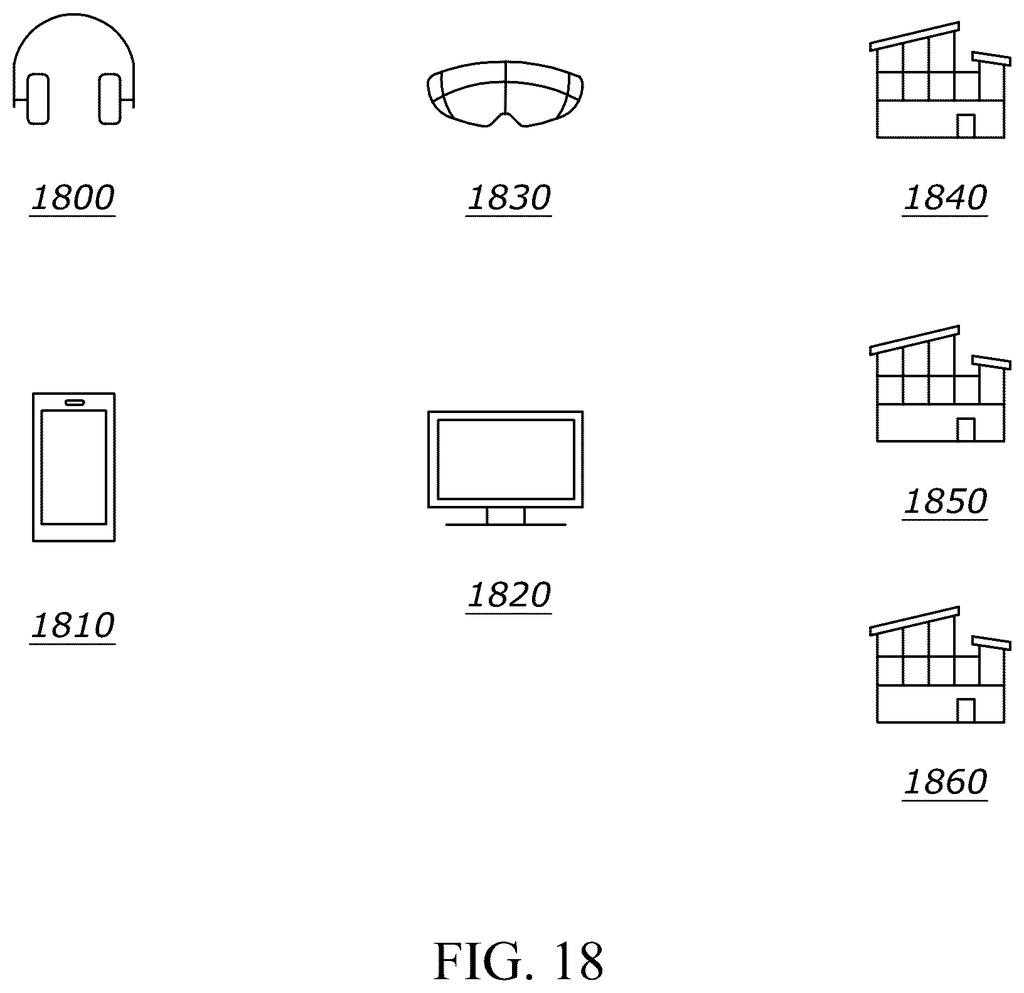
Sony’s latest patent filing, published September 17, 2026, outlines a quietly radical shift in how consumer electronics might be maintained in the future. Instead of waiting for error messages, firmware updates, or repair-center visits, Sony envisions a world where your PlayStation, headphones, TV, camera, or smartphone can detect issues, request help from an AI server, receive custom‑written diagnostic code, and apply fixes automatically — all without you lifting a finger.
A Cloud-Based AI Mechanic for Every Sony Device
At the core of patent US 2026/0277732 A1 is a remote AI server that continuously monitors Sony devices for anomalies. When a device reports unusual behavior, the server analyzes the data using AI models and decides whether the issue requires intervention. If it does, the system takes a bold step: it uses a large language model to write diagnostic software on demand, tailored to the exact symptom the device is experiencing.
This is a major departure from traditional diagnostics, which rely on pre‑written tests baked into firmware. Sony’s approach allows for dynamic, situation-specific troubleshooting — a kind of real-time digital triage.
Once generated, the diagnostic code is sent back to the device, executed locally, and the results are returned to the server. From there, the AI determines whether to push a corrective action or simply log the event for human engineers to review later.
Invisible Repairs, Fewer Support Calls, and a New Era of Device Health
For consumers, the experience could feel almost magical. Instead of encountering a sudden failure or cryptic error message, the device quietly resolves the issue in the background. Sony suggests this system could reduce warranty claims, support tickets, and repair-center visits across its entire product ecosystem.
The patent also hints at a broader strategic shift: Sony is treating device health as an AI problem rather than a software-update problem. By funneling diagnostic data from millions of devices into a central AI system, Sony gains a powerful feedback loop for improving reliability and predicting failures before they occur.
How the System Works — Step by Step
- Device detects an anomaly A PlayStation, TV, camera, or other Sony product notices something unusual in its operation.
- AI server receives the alert The device sends data to a remote Sony server equipped with multiple AI models.
- AI determines whether action is needed If the issue appears significant, the server escalates to a large language model.
- LLM writes custom diagnostic code Instead of using pre-existing tests, the AI generates new diagnostic software tailored to the problem.
- Device runs the diagnostics The code is transmitted back to the device, executed, and the results are returned.
- AI decides on a fix The server either pushes corrective instructions or logs the issue for later review.
This dynamic code generation is the patent’s most striking innovation — diagnostics that evolve in real time, matching the unpredictable nature of hardware and software failures.
Safety, Guardrails, and the Path to Reality
Sony acknowledges that automatically sending repair instructions to consumer devices requires careful safeguards. A misdiagnosis or incorrect fix could cause more harm than good. But the company also notes that the communication backbone already exists: Sony’s connected devices routinely talk to cloud servers. Implementing this AI layer would require software updates, not new hardware.
That makes the path to real-world deployment unusually short.
Why This Patent Matters
Sony has filed multiple AI-driven device management patents in recent months, signaling a strategic push toward autonomous electronics. This particular filing stands out because it blends:
- AI monitoring
- LLM-generated diagnostics
- Automated corrective actions
- Cloud-based device health feedback loops
If implemented, Sony could become one of the first major consumer electronics companies to offer self-repairing devices at scale — a feature that could redefine reliability standards across the industry.