
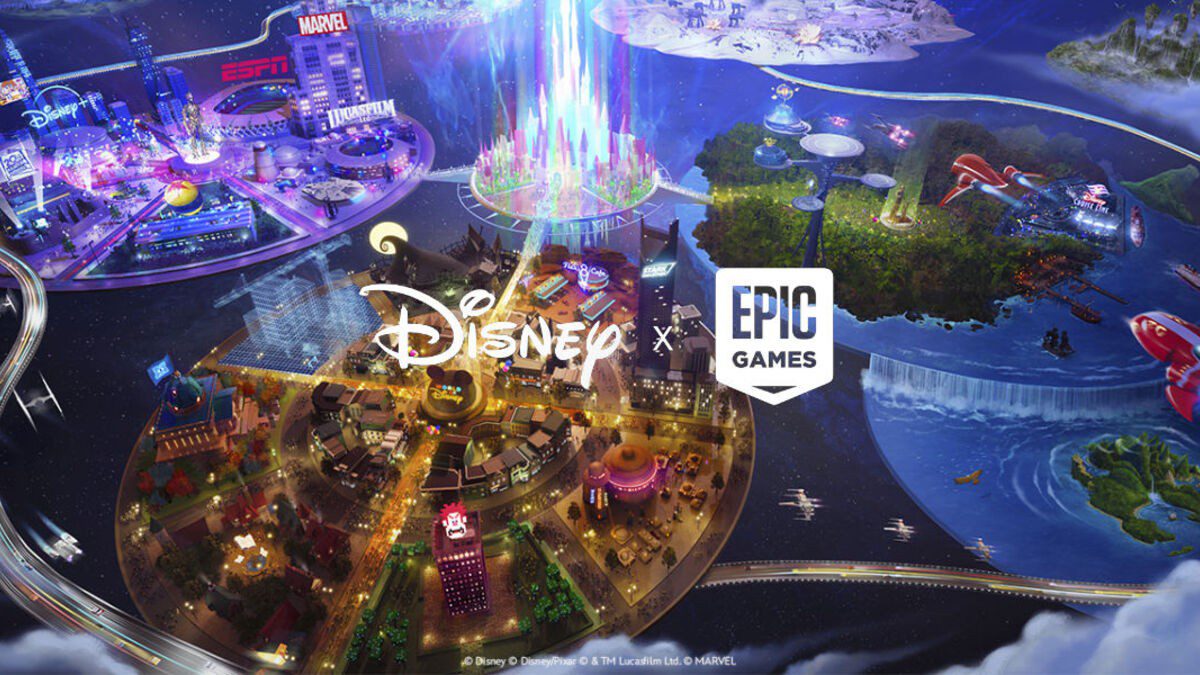
Epic Games’ upcoming Disney shooter—an ambitious crossover featuring characters from Marvel and Star Wars—has quietly become the most controversial project in modern AAA development. Not because of its content, its release window, or its design philosophy, but because of a single internal directive that stunned developers and sent shockwaves through the industry:
“No more handwritten code.”
This wasn’t a suggestion. It was a mandate. And it marks the clearest, most aggressive pivot toward AI‑first game development ever attempted by a major studio.
The project, originally targeting a March 2027 launch, has now been delayed as Epic restructures its entire production pipeline around AI tools—including Claude—and prepares for the rollout of Unreal Engine 6, which is being built with deep AI integration at its core.
A Disney Shooter Built by AI: What We Know So Far
Sources within Epic Games revealed to Bloomberg that Epic’s internal teams were instructed to adopt an “AI‑first production model.” This includes:
- AI‑generated art using full AI workflows
- AI‑written code replacing human‑authored scripts
- Human oversight instead of human creation
- A studio‑wide restructuring to support “maximum AI acceleration”
One director’s message—telling developers to stop writing code manually—left teams “stunned,” with some joking internally and others hoping the directive wasn’t serious. But Tim Sweeney’s public statements on X (formerly Twitter) made it clear: this is the new Epic Games.
“The aim isn’t to do the same stuff with fewer people, but to enable everyone here to build MORE and BETTER stuff.” — Tim Sweeney
This isn’t about layoffs. It’s about scale. Epic wants to build bigger worlds, faster, and believes AI is the only way to do it.
Why Epic Is Doing This — And Why Now
Epic has been vocal about its belief that AI is not just a tool but a foundational shift in how games will be made. Sweeney has criticized Steam’s mandatory AI disclosure rules as “really irresponsible,” arguing that AI should be embraced, not regulated into a corner.
The timing is strategic:
- Unreal Engine 6 is nearing release, designed with AI‑native workflows.
- Fortnite’s ecosystem is expanding into UGC at unprecedented scale.
- Disney’s partnership demands rapid, high‑quality output across multiple franchises.
- Epic wants to lead the AI revolution, not follow it.
The Disney shooter is becoming the proving ground for this philosophy.
The Human Side: Shock, Skepticism, and a New Reality
Inside Epic, reactions have ranged from disbelief to cautious optimism. Developers joked about the directive, questioned its feasibility, and wondered whether leadership truly intended to eliminate handwritten code entirely.
But the message from the top is unwavering.
Jake Jones, Epic’s communications director, reinforced the company’s stance:
Epic is “embracing AI‑accelerated development, led by Epic developers who are the visionaries and creative drivers for everything we do.”
This is the heart of Epic’s argument: AI is not replacing developers—it’s amplifying them.
Still, the shift raises difficult questions:
- What happens to engineering creativity when code is machine‑generated?
- How do artists maintain identity when workflows are fully automated?
- Can a AAA shooter built with AI-first pipelines meet Disney’s quality expectations?
- Will this become the new normal for blockbuster game development?
Epic is betting its future on the answer being “yes.”
The Disney Shooter: A Project Redefined
The game itself remains largely under wraps, but confirmed details include:
- A crossover shooter featuring Marvel and Star Wars characters
- Originally scheduled for March 2027, now delayed
- Rebuilt under an AI‑dominant production model
- Developed with Claude and other AI tools integrated into Unreal Engine 6
The delay is not due to creative issues—it’s due to Epic’s desire to rebuild the project around its new AI philosophy. This shooter is no longer just a game; it’s a test case for the future of Epic Games.
The Bigger Picture: Epic’s “Maximum AI Acceleration” Strategy
Sweeney’s announcement on X wasn’t subtle. He described a “huge pivot” underway, with developers being moved across teams to retool for AI‑centric workflows.
This pivot is intended to:
- Increase output across all Unreal teams
- Reduce bottlenecks in art and engineering
- Expand the scale of future projects
- Position Epic as the leader in AI‑powered game creation
It’s a bold strategy—one that could redefine the industry or fracture it.
Conclusion: A Turning Point for AAA Development
Epic’s Disney shooter is no longer just another licensed game—it’s the first major AAA title attempting to prove that AI‑generated code and AI‑generated art can produce a blockbuster experience. Whether this becomes a milestone or a cautionary tale will depend on execution, reception, and the industry’s willingness to follow.
But one thing is clear: Epic has crossed a threshold that other studios have only tiptoed around. And the gaming world is watching.