
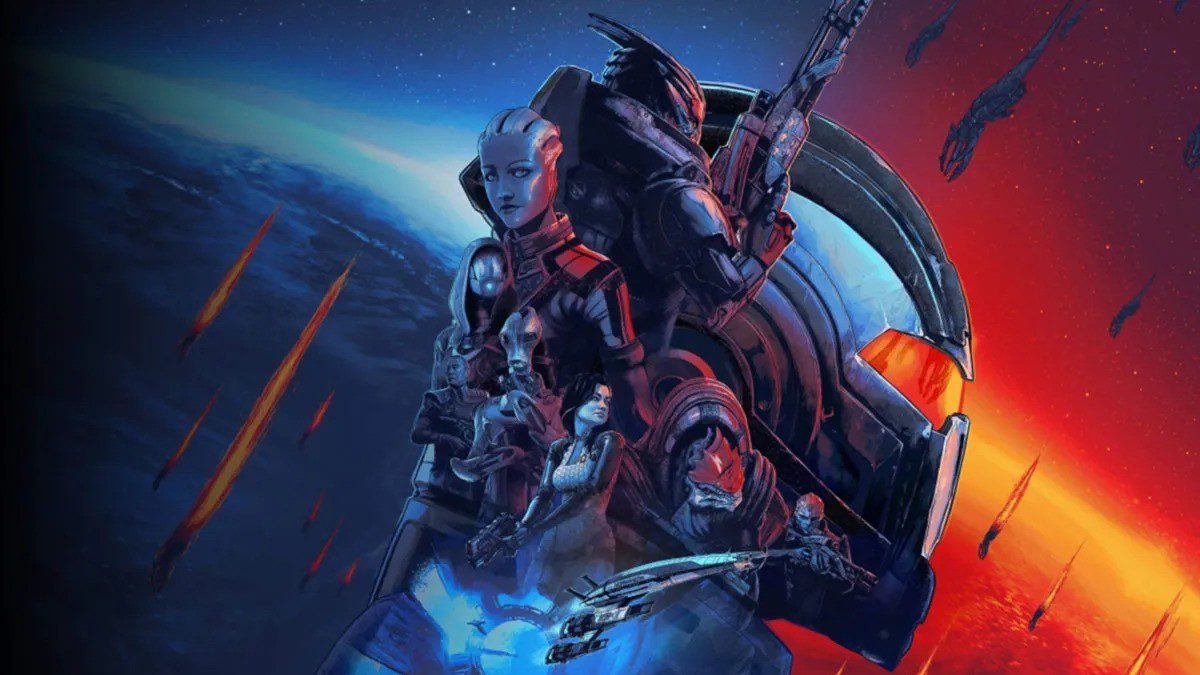
Electronic Arts has officially shut down BioWare—one of the most influential RPG studios in gaming history—and terminated development on the next Mass Effect. This moment isn’t just another industry headline. It’s the end of a legacy that shaped modern storytelling in games, and a seismic shift in EA’s post‑acquisition identity under Saudi Arabia’s Public Investment Fund (PIF).
The Day RPG History Changed Forever
BioWare’s announcement reads like a eulogy. After more than 30 years of world‑building, character‑driven epics, and genre-defining RPGs, the studio confirmed that it is closing its doors and halting early development on the next Mass Effect. The tone is somber, reflective, and painfully aware of the weight of its own legacy.
For decades, BioWare wasn’t just a developer—it was a cultural touchstone. Baldur’s Gate taught players what a modern CRPG could be. Knights of the Old Republic redefined Star Wars storytelling. Dragon Age built a political fantasy world that rivaled prestige television. And Mass Effect became one of gaming’s most beloved sci‑fi universes, inspiring fan communities that still dissect every choice, romance, and ending.
To see that lineage end not with a triumphant reveal, but with a corporate restructuring, feels like a gut punch.
The Saudi Buyout That Reshaped EA
The closure comes just two months after EA completed its $55 billion leveraged buyout by Saudi Arabia’s Public Investment Fund. The deal took EA private, saddled it with roughly $18 billion in debt, and locked the company into paying nearly $1.8 billion in annual interest.
Those numbers matter. They explain the ruthless efficiency cuts, the sudden pivot toward guaranteed revenue, and the decision to eliminate around 400 jobs—50 of them at BioWare.
EA’s leadership made it clear in internal communications: the company must reduce costs by $700 million annually. Prestige RPGs—expensive, slow to develop, and unpredictable in sales—no longer fit the new corporate strategy.
BioWare became the first major casualty of EA’s new financial reality.
A Studio That Survived Everything Except Its Parent Company
BioWare had already weathered storms. Anthem was a high‑profile failure. Mass Effect: Andromeda struggled under impossible expectations. Dragon Age: The Veilguard launched in 2024 to mostly positive reviews, but not enough to shift EA’s long-term calculus.
Even so, the studio’s creative spark never fully dimmed. Developers continued teasing the next Mass Effect, reassuring fans that the project was alive. Concept art, cryptic messages, and N7 Day traditions kept hope alive.
Now, that hope has been extinguished.
The next Mass Effect—announced in 2020, whispered about for years, and guarded behind BioWare’s famously secretive development curtain—is officially cancelled.
What This Means for Mass Effect Fans
The cancellation doesn’t just end a game. It ends a cultural ritual.
Mass Effect fans built communities around speculation, lore analysis, and emotional attachment to characters who felt more human than many real-world protagonists. Every teaser became an event. Every silence became a mystery. Every N7 Day felt like a holiday.
BioWare’s closure severs that tradition.
There will be no next chapter for Shepard’s legacy, no continuation of Andromeda’s unresolved arcs, no new galaxy to explore. The franchise now becomes a relic—still beloved, still influential, but frozen in time.
EA’s New Identity: Safe Bets Over Storytelling
EA’s statement to staff outlines the company’s future priorities: sports titles, Apex Legends, Battlefield, and licensed action-adventure games like Star Wars Jedi and Marvel’s Iron Man.
These are predictable revenue machines. They fit neatly into the PIF-era strategy: stable, scalable, and monetizable.
Narrative-driven RPGs—BioWare’s specialty—do not.
The message is clear: EA is no longer a home for slow-burn storytelling or ambitious world-building. It is a company optimized for financial efficiency, not creative risk.
The Emotional Undercurrent: A Farewell to a Studio That Defined Us
BioWare’s final message to players is heartfelt. It acknowledges the emotional bond between fans and the worlds they helped shape. It recognizes that these games became more than entertainment—they became personal memories, shared experiences, and cultural milestones.
There is a quiet dignity in BioWare’s farewell. It doesn’t blame EA. It doesn’t lash out. It simply thanks the players who made its worlds feel alive.
But beneath that dignity is heartbreak.
A studio built by storytellers has been silenced by economics.
Mass Effect TV Series Continues on Development
Via IGN, there are reports that Amazon MGM Studios still in development for the Mass Effects TV Series that will be another gaming based production Prime Video exclusive.
The roster includes Doug Jung (Mindhunter, Star Trek Beyond) was serving as showrunner with Daniel Casey (Fast & Furious 9) writing the series. The production team also included Jessica Jones executive producer Karim Zreik, BioWare’s Mass Effect boss Mike Gamble, and former Marvel Studios boss Ari Arad.
Mass Effect live-action series would feature a story set after the original game trilogy’s timeline.
A Legacy That Deserves More Than a Corporate Footnote
BioWare’s closure marks the end of an era. It’s a reminder that the gaming industry’s greatest worlds are fragile—dependent not just on creativity, but on corporate priorities that can shift overnight.
For fans, this moment hurts. For developers, it’s devastating. For the industry, it’s a warning.
And for the legacy of Mass Effect, it’s a premature ending to a story that deserved one more leap into the stars.

One thought on “BioWare To Shut Down With No Mass Effect 5”
Comments are closed.