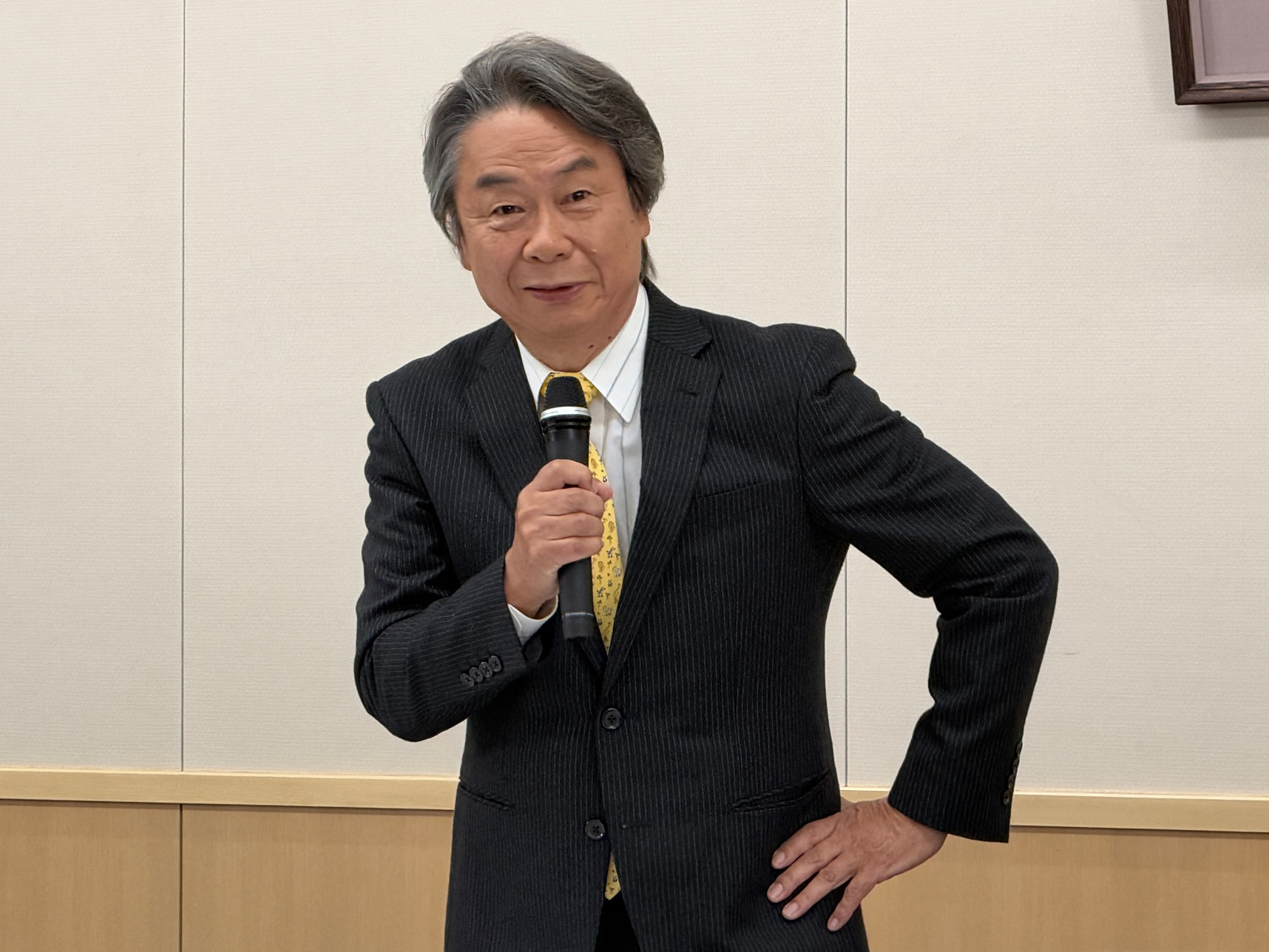
Shigeru Miyamoto’s stance is clear and refreshingly counter‑cultural: generative AI is not the end of human creativity—it’s a mirror that forces creators to confront what creativity actually is. His comments, delivered during the press conference celebrating his historic acceptance of Japan’s Order of Culture, form one of the most important philosophical statements from any major game designer in the AI era.
The Core Argument: AI Removes Labor, Not Vision
Miyamoto draws a sharp line between creating and labor. Creating is the act of establishing a vision—an intention, a structure, a purpose. Labor is the hands‑on work that fills in the gaps: polishing assets, refining layouts, completing repetitive tasks.
AI, he argues, automates the labor. It does not automate the vision.
This distinction matters because many creators—especially newcomers—confuse the satisfaction of labor with the achievement of creativity. AI exposes that illusion. When the “fun part” of building is automated, creators must confront whether their work has genuine intention or whether it’s just assembly.
A Historical Parallel: From Typewriters to Word Processors
Miyamoto contextualizes AI as part of a long technological continuum. He recalls how designers once earned the title simply by mastering lettering or by remixing foreign trends with a “Japanese‑style” twist. As tools evolved, those superficial skills stopped being enough. True design ability—layout sense, structure, intention—became visible only when the labor was no longer the bottleneck.
Generative AI, he says, is the next iteration of that shift.
Just as word processors didn’t eliminate writers, AI won’t eliminate creators. It will expose who actually has something to say.
The Danger: Mistaking Effort for Quality
One of Miyamoto’s most striking warnings is psychological, not technical:
People may find satisfaction in the labor itself and mistakenly believe they’ve created something good.
This is the trap AI makes visible. If AI handles the grind, creators can no longer hide behind effort. They must confront whether their work has intent, identity, and longevity—qualities Miyamoto says are missing from designs that rely on copying and pasting.
Why AI Makes Human Creativity More Important
Miyamoto’s optimism is rooted in a simple truth: AI cannot replicate individual intention.
It can generate content, but it cannot decide why something should exist, what emotional response it should evoke, or how it should fit into a broader cultural or artistic vision. That is the domain of human creators.
He believes AI will:
- Lower barriers to entry, allowing more people to experiment.
- Expose shallow creativity, forcing creators to develop real vision.
- Highlight the irreplaceable value of human intention, especially in game design.
Even if AI eventually handles “everything,” Miyamoto insists there will always be a role for humans—because creativity is not the product, but the purpose behind the product.
A Cultural Moment: Miyamoto’s Order of Culture
This conversation didn’t happen in a vacuum. Miyamoto became the first game developer in history to receive Japan’s Order of Culture, a recognition normally reserved for scientists, artists, and cultural icons. His comments on AI were part of a broader reflection on decades of creative evolution and the collective nature of game development.
His message is not defensive. It’s not fearful. It’s a challenge to creators: If AI can do the labor, what’s left is your vision. Make it count.
Why This Matters Now
As AI-generated content floods the internet, Miyamoto’s perspective offers a powerful counter-narrative for readers searching for clarity:
- AI is a tool, not a threat.
- Human creativity becomes more valuable when labor is automated.
- The future of game development—and all creative industries—depends on intention, not output.
This aligns with rising industry debates about AI-assisted workflows, procedural generation, and the future of creative authorship. It also positions Nintendo’s philosophy as distinctly human-led at a time when other studios experiment aggressively with automation.
Conclusion: Creativity Survives Because It Is Human
Miyamoto’s message is ultimately hopeful: AI will not erase human creativity because creativity is not a mechanical process—it is a human impulse. AI can build, refine, and assist, but it cannot originate meaning.
In an era obsessed with speed and automation, Miyamoto reminds us that the future belongs to creators who know why they create—not just how.