
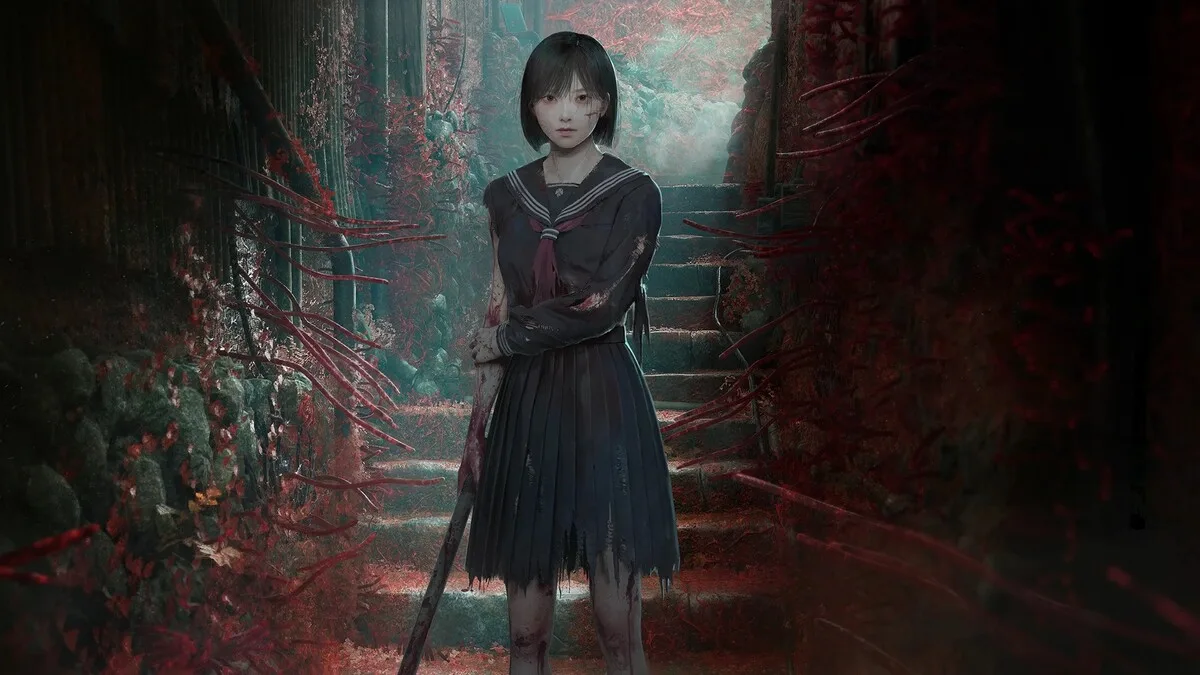
Konami’s Silent Hill revival wasn’t just a multi‑game gamble — it was a controlled creative experiment. The company deliberately siloed every studio working on Silent Hill titles, enforcing a strict “no cross‑pollination” rule to preserve each game’s identity. This strategy, revealed publicly by Silent Hill: Townfall director Jon McKellan, paints a rare picture of how a legacy horror franchise is being rebuilt in 2026: through secrecy, isolation, and a single producer acting as the franchise’s creative gatekeeper.
The Creative Firewall Behind Silent Hill’s Revival
Konami’s approach was simple but radical: no studio knew what the others were making. McKellan explained that his team at Screen Burn Interactive discovered the existence of other Silent Hill projects at the same time as the public, during Konami’s big reveal stream. Even after announcements, Konami continued to keep teams apart, refusing to show them each other’s builds or design documents.
This wasn’t a punishment — it was a philosophy.
Why Konami Enforced Isolation
Series producer Motoi Okamoto acted as the central reviewer for every Silent Hill project. His goal:
- Prevent narrative or aesthetic overlap between games
- Preserve each title’s unique tone, mechanics, and identity
- Avoid homogenization, especially with multiple studios spanning different countries and creative cultures
Okamoto’s team monitored all builds internally. If they spotted similarities — a creature design, a narrative beat, a visual motif — they would quietly intervene. But crucially, they never told teams what the other project was. They simply said:
“There’s another thing doing something similar — you may want to course‑correct.”
This kept every studio’s imagination untainted by external influence.
“Kept in the Dark… in a Good Way”
McKellan emphasized that the secrecy wasn’t oppressive. In fact, it was liberating. His team enjoyed full creative freedom, knowing Konami would only step in if something drifted too close to another project. This meant Townfall could evolve naturally, without being forced into a franchise-wide “phase” or shared universe structure.
He compared it to avoiding a Marvel‑style production pipeline — no rigid slots, no mandated crossovers, no shared tone.
The result? Silent Hill’s new era is intentionally non‑uniform, with each game offering a distinct experience.
The Only Time Konami Intervened
Across Townfall’s development, Konami only requested one significant change: A single enemy design was deemed “too close” to something in another Silent Hill project. McKellan’s team pivoted, adjusting the visual concept to avoid overlap. This was the only moment where the creative firewall became visible.
Silent Hill F: The First Glimpse Behind the Curtain
Townfall’s team eventually saw Silent Hill F a few months before release — and the contrast was enormous. Different setting. Different tone. Different gameplay philosophy. This confirmed that Konami’s isolation strategy worked: no risk of creative collision between projects.
Why This Strategy Matters for the Franchise
Silent Hill’s identity has always been fragmented — each entry defined by its own psychological lens, its own director, its own cultural influences. Konami’s new method embraces that legacy instead of forcing uniformity.
Benefits of the Isolation Protocol
- Distinct artistic visions across titles
- No accidental narrative overlap
- Fresh interpretations of Silent Hill’s themes
- Excitement for developers, who get to experience other games as fans
- A curated franchise, with Okamoto ensuring cohesion without conformity
This is a rare production model in modern gaming, where shared universes and cross‑studio collaboration are the norm.
The Bigger Picture: Silent Hill’s Multi‑Studio Renaissance
Konami’s revival includes:
- Silent Hill 2 Remake (Bloober Team)
- Silent Hill F (NeoBards Entertainment)
- Silent Hill: Townfall (Screen Burn Interactive + Annapurna)
- Silent Hill Ascension
- Return to Silent Hill (film)
Each project is built in isolation, but reviewed centrally — a hybrid model blending independence with oversight. It’s a deliberate attempt to rebuild Silent Hill as a multi‑format, multi‑studio ecosystem without losing the franchise’s psychological horror DNA.
Final Takeaway
Konami’s secrecy wasn’t a marketing stunt — it was a structural decision to protect creativity. By keeping studios apart, the company ensured that each Silent Hill game stands on its own, free from crossover contamination. This strategy, guided by producer Motoi Okamoto, is shaping Silent Hill’s future into a diverse, unpredictable, and artistically varied horror anthology — one where every entry feels like its own nightmare.