
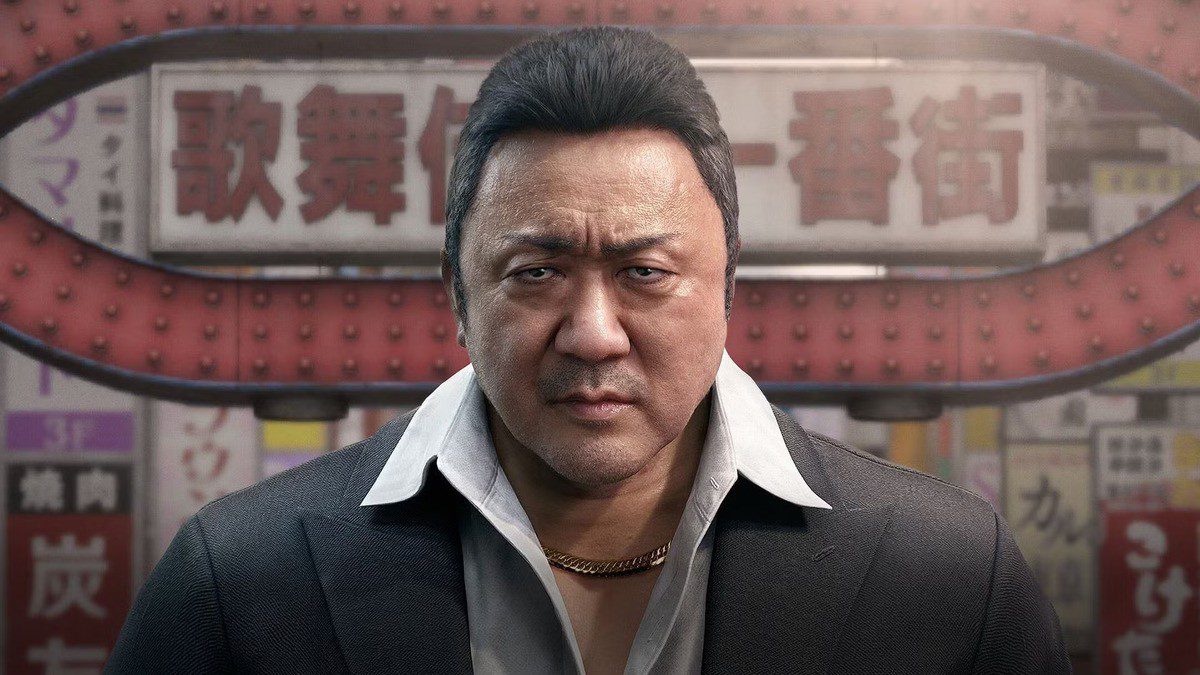
The gaming industry has witnessed countless studio closures over the years, but few carry the historical weight of Nagoshi Studio’s shutdown. Founded by Toshihiro Nagoshi, the creator best known for establishing the Yakuza (now Like a Dragon) franchise, the studio represented a bold new chapter after one of Sega’s most influential developers departed the company he had called home for more than three decades.
That chapter has now come to an abrupt end.
According to a notice published in Japan’s official government gazette Kanpo, Nagoshi Studio was officially dissolved following a shareholders’ resolution on October 31, 2026. The news was first highlighted by Gematsu, confirming that the NetEase-backed developer has ceased operations less than a year after unveiling its debut project, Gang of Dragon.
The Rise and Fall of Nagoshi Studio
When Toshihiro Nagoshi left Sega in 2021, it sent shockwaves throughout the industry. Nagoshi was not merely another veteran developer. He was one of Sega’s most recognizable creative figures, having worked at the company since 1989 and playing key roles in franchises such as Daytona USA, Super Monkey Ball, and most importantly, Yakuza.
His departure came during a period when Chinese publisher NetEase was aggressively investing in Japanese development talent. The company established Nagoshi Studio in late 2021, officially announcing it in 2022, with the goal of allowing the celebrated creator to build entirely new intellectual property outside the Sega ecosystem.
For fans, the move appeared to be a dream scenario. Nagoshi was free from franchise obligations, backed by a major publisher willing to invest heavily in premium console experiences, and surrounded by several longtime collaborators.
However, the studio would ultimately never release a single game.
Gang of Dragon Was Supposed to Be the Next Big Crime Epic
The studio finally emerged from years of silence at The Game Awards 2025 with the unveiling of Gang of Dragon, an action-adventure game set in Tokyo’s infamous Kabukicho entertainment district. The game starred Korean actor Ma Dong-seok, known internationally as Don Lee, and instantly drew comparisons to the gritty crime dramas that helped make Yakuza a global success.
Many observers described the title as the spiritual successor fans expected Nagoshi to create after leaving Sega.
The reveal trailer showcased criminal organizations, high-energy combat, cinematic storytelling, and an underworld atmosphere reminiscent of the creator’s previous work.
Yet behind the scenes, development troubles were already mounting.
The Funding Crisis That Sealed the Studio’s Fate
Reports began surfacing in March 2026 that NetEase intended to cut funding for Nagoshi Studio as part of a broader reduction in overseas gaming investments. Bloomberg reported the project required at least ¥7 billion, roughly $44 million, in additional funding to reach completion.
The situation rapidly worsened.
The studio’s online presence became increasingly inactive. Social media accounts went silent. The official website became inaccessible. Key staff members quietly updated their public profiles, suggesting departures from the company.
While NetEase reportedly allowed the possibility of independence if the studio could buy its way out and secure alternative financing, no public agreement ever materialized. Eventually, the shareholders voted to dissolve the company altogether.
For many fans, the closure feels less like a business decision and more like the disappearance of a game that never had the chance to prove itself.
Why This Matters Beyond One Studio
Nagoshi Studio’s collapse highlights a major shift occurring throughout the gaming industry.
During the pandemic boom, publishers competed aggressively to recruit star developers and fund ambitious projects. Studios led by industry veterans attracted enormous investments as companies sought prestige and blockbuster exclusives.
By 2026, that environment had changed dramatically.
Publishers began prioritizing profitability, reducing risk, and focusing resources on established franchises with proven audiences. NetEase has already scaled back multiple international initiatives in recent years, and Nagoshi Studio became another casualty of that strategic retreat.
The lesson is sobering: even legendary developers with decades of success are not immune to rising development costs and publisher uncertainty.
The Irony: Sega’s Like a Dragon Series Never Stopped Growing
Perhaps the most ironic aspect of this story is what happened after Nagoshi left Sega.
Many expected Ryu Ga Gotoku Studio to struggle without its founder. Instead, the team flourished.
Since Nagoshi’s departure, Sega and RGG Studio have continued releasing successful entries in the Like a Dragon franchise, including spin-offs, remakes, and major sequels. The series has expanded globally, reached new audiences, and became one of Sega’s most consistent modern franchises.
Rather than proving the franchise needed its creator to survive, the years following his exit demonstrated the strength of the talent structure he helped build.
What Happens to Gang of Dragon Now?
At this stage, the future of Gang of Dragon remains uncertain.
No official cancellation has been announced, and reports note that the game’s Steam page remains online. However, there has been no indication that another publisher intends to acquire or complete the project.
Several possibilities remain:
A new investor could purchase the project’s assets and resume development.
NetEase could transfer the intellectual property to another internal studio.
The game could remain unfinished and never reach release.
Unfortunately, there is currently no public evidence confirming which path will occur.
What Sega Is Expected to Announce Next
While Nagoshi Studio’s journey has ended, Sega’s future appears significantly brighter.
The company continues investing heavily in Ryu Ga Gotoku Studio and has already positioned its next major project, Stranger Than Heaven, as one of its flagship upcoming releases. The title is described as a distant prequel connected to the broader Like a Dragon universe and is scheduled for release in January 2027.
Beyond that, Sega is widely expected to continue expanding several of its strongest franchises through future showcases and events:
- Additional Like a Dragon announcements following Stranger Than Heaven.
- Continued support for Virtua Fighter following Sega’s renewed fighting game ambitions.
- New projects involving classic Sega properties as part of the company’s ongoing revival strategy.
- Potential updates on long-rumored franchise returns as Sega continues revisiting its legacy catalog.
While no new unannounced Sega projects can be confirmed today, the publisher has consistently emphasized leveraging its historic IP portfolio while supporting modern franchises that continue generating global interest.
A Harsh Ending for a Gaming Icon
The closure of Nagoshi Studio is ultimately one of the industry’s most fascinating “what if” stories.
A creator responsible for one of gaming’s most celebrated crime drama franchises departed Sega to build something entirely his own. He secured major publisher backing, assembled experienced talent, spent years developing a new IP, revealed it to the world, and yet never crossed the finish line.
For fans of Toshihiro Nagoshi’s work, the shutdown is a reminder that reputation alone cannot guarantee success in today’s increasingly expensive development environment.
And while Sega marches forward with the franchise Nagoshi helped create, Gang of Dragon may become one of gaming’s most intriguing unreleased projects, remembered less for what it was and more for what it might have been.