When Microsoft finalized its $75.4 billion acquisition of Activision Blizzard King (ABK) in October 2023, the gaming world braced for a seismic shift. With titanic IPs like Call of Duty, Diablo, Overwatch, Crash Bandicoot, and Candy Crush now under the Xbox umbrella, expectations soared: Game Pass would become the Netflix of gaming overnight.
But nearly two years later, the rollout of ABK titles on Game Pass has been more of a trickle than a flood. While Call of Duty: Black Ops 6, Diablo IV, and Crash Bandicoot N. Sane Trilogy have made their way onto the platform, the vast majority of ABK’s legacy catalog remains conspicuously absent. So what gives?
Before diving in, I was somehow questioning to myself if I should really give my point of view and sharing plausible and logical reasoning why, in the best scenario, it is just a matter of time but a few hours before redacting this…
Let’s unpack the theories—and the facts.
Theory 1: The FTC Standoff — Strategic Patience Pays Off
Microsoft’s acquisition faced fierce resistance from regulators, especially the U.S. Federal Trade Commission (FTC), which tried to block the deal over antitrust concerns. Microsoft’s commitment to keeping Call of Duty multiplatform and its decision to license cloud streaming rights to Ubisoft helped appease the UK’s CMA, but the FTC remained a thorn.
Your first theory—that Microsoft was waiting for the FTC to fold before unleashing the ABK catalog—holds water. The recent surge of ABK titles announced for Game Pass, including StarCraft: Remastered and Tony Hawk’s Pro Skater 3+4, aligns suspiciously well with the FTC’s retreat and the final regulatory green light. It’s a move that feels less like a coincidence and more like a calculated release strategy.
Microsoft may have been playing the long game, avoiding a premature rollout that could be used against them in court. By waiting until the legal dust settled, they protected themselves from accusations of monopolistic behavior while still delivering on their promise to gamers.
Theory 2: Licensing Hell — The Ghosts of Contracts Past
Even with regulatory hurdles cleared, the second theory—licensing entanglements—is arguably the bigger beast.
Many older ABK titles are shackled by legacy contracts that predate Microsoft’s ownership. These include:
| Game/Franchise | Licensing Barrier |
|---|---|
| Guitar Hero / DJ Hero | Music rights, artist royalties, expired third-party deals |
| Tony Hawk’s Pro Skater | Athlete likeness rights, soundtrack licensing |
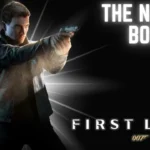
| 007: Quantum of Solace | James Bond IP rights held by MGM/EON Productions |
| Transformers titles | Hasbro licensing, voice actor contracts |
| Marvel: Ultimate Alliance | Marvel IP now under Disney, expired publishing rights |
Even internally-owned franchises like Project Gotham Racing face hurdles due to expired vehicle and music licenses. Microsoft may own the IP, but re-releasing these games on Game Pass would require renegotiating deals that were never designed for subscription models or cloud platforms.
And then there’s modernization. Older titles often lack cloud save support, achievement integration, or compatibility with current Xbox architecture. Porting them isn’t just a licensing issue—it’s a development one.
For creators and gamers who value preservation, accessibility, and ethical engagement, this slow rollout is both frustrating and illuminating. Microsoft’s acquisition of ABK was never just about stacking Game Pass—it was about reshaping the ecosystem. But reshaping takes time, especially when the past is littered with legal landmines.
Still, the recent wave of ABK titles hitting Game Pass suggests that Microsoft is finally ready to deliver. Whether it’s Call of Duty: Modern Warfare 2 (2009) or Blizzard Arcade Collection, the vault is creaking open.
The question now isn’t whether Microsoft will unlock the full ABK portfolio—it’s how much of it can be salvaged from the licensing labyrinth. And for bilingual, legacy-minded creators like you, Jesús, that’s a conversation worth leading.