Obsidian Entertainment is entering 2026 with a mix of hard‑earned wisdom and renewed ambition, and the story behind that evolution is as dramatic as any RPG the studio has ever written.
Obsidian’s New Crossroads
The Bloomberg report paints a candid picture of a studio confronting the realities of modern game development: rising budgets, longer production cycles, and the pressure of Microsoft’s aggressive profitability targets. Feargus Urquhart, Obsidian’s co‑founder and long‑time CEO, meets weekly with his leadership team to dissect what worked, what didn’t, and how the studio can adapt. After releasing three games in a single year—Avowed, Grounded 2, and The Outer Worlds 2—the studio found itself both celebrated and strained. Two of those titles underperformed against Microsoft’s expectations, prompting internal reflection about scope, timelines, and the sustainability of Obsidian’s creative process.
Urquhart’s conclusion is clear: the studio must build smarter, not bigger. That means shorter development cycles, more reuse of technology, and a willingness to outsource strategically. It also means resisting the industry’s obsession with chasing mega‑hits and instead focusing on consistent, creatively distinct games that build long‑term value.
Before the Xbox Era: A Studio Built on Grit
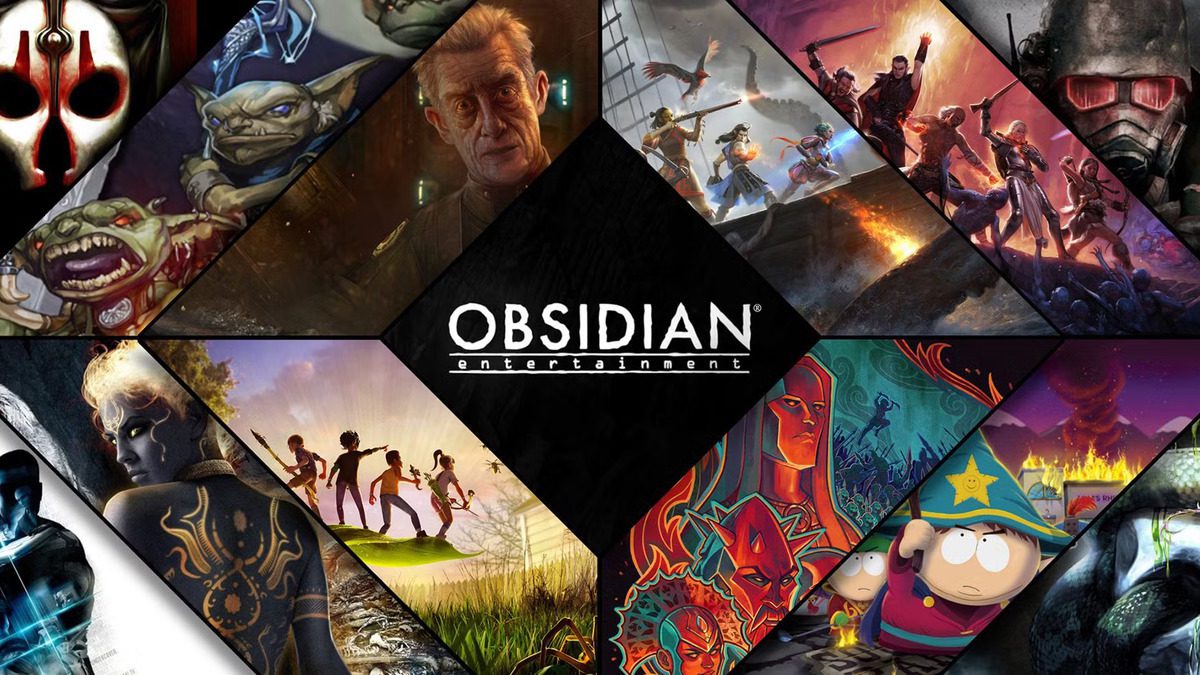
To understand why Obsidian is so determined to adapt, you have to look at where it came from. The studio was founded in 2003 by veterans of Interplay—just as that once‑dominant publisher was collapsing. Obsidian survived its early years by taking on contract work for major franchises like Star Wars, Fallout, and South Park, producing ambitious RPGs that earned critical praise but often came with tight deadlines, unstable funding, and razor‑thin margins.
The studio’s history is full of near‑misses. When Microsoft canceled the ambitious multiplayer RPG Stormlands in 2012, Obsidian nearly folded. A Kickstarter campaign for Pillars of Eternity kept the lights on, and its success helped the studio rebuild its reputation. But even then, Obsidian remained one bad contract away from disaster.
That precariousness shaped the studio’s identity: fiercely creative, deeply narrative‑driven, and always operating with a survivor’s mentality.
After the Acquisition: Stability, Scale, and New Pressures
When Microsoft acquired Obsidian in 2018, it seemed like the studio had finally found the stability it had always lacked. Under Xbox Game Studios, Obsidian gained the freedom to pursue passion projects like Pentiment, while also developing larger titles such as Avowed and The Outer Worlds 2. The acquisition also allowed the studio to expand its team and experiment with multiple projects simultaneously—something few mid‑sized developers can manage.
But stability came with new expectations. Microsoft’s push for higher profit margins and faster output has created tension across Xbox’s portfolio, and Obsidian is no exception. The “Year of Obsidian”—three releases in 2025—was a marketing triumph but a logistical nightmare. Staff were stretched thin, support teams were overwhelmed, and the studio realized that releasing multiple major titles in a single year was unsustainable.
Still, Obsidian’s relationship with Xbox is not defined by pressure alone. Microsoft sees the studio as a cornerstone of its RPG strategy, praising its creative range and its ability to deliver games that strengthen the Xbox ecosystem and Game Pass library. That support gives Obsidian room to experiment, even if not every experiment becomes a blockbuster.
Charting a New Path Forward
The studio’s next chapter is about balance—between ambition and practicality, creativity and efficiency, independence and corporate expectations. Urquhart and his emerging successors, Justin Britch and Marcus Morgan, are shaping a long‑term vision that emphasizes sustainable development, moderate success over risky moonshots, and a steady cadence of releases rather than feast‑or‑famine cycles.
Obsidian plans to continue expanding the worlds of Avowed and The Outer Worlds 2, while also nurturing smaller, more experimental titles that keep the studio’s creative spirit alive. Outsourcing will play a larger role, as will reusing technology to avoid reinventing the wheel for every project. And above all, the studio wants to avoid repeating the burnout of 2025.
A Studio Reinventing Itself—Again
Obsidian’s story has always been one of reinvention. From surviving the collapse of Interplay, to weathering canceled projects, to embracing crowdfunding, to joining Xbox Game Studios, the company has repeatedly adapted to an industry that rarely stands still.
Now, as the games market faces rising costs and shrinking margins, Obsidian is once again reshaping itself—this time not out of desperation, but out of a desire to build a healthier, more resilient future. It’s a studio that has learned from its scars, embraced its strengths, and is determined to keep making the kinds of games that earned it a devoted fanbase in the first place.
And if Obsidian succeeds in this new phase, it won’t just be charting a new path for itself—it may help define what sustainable AAA‑adjacent development looks like in the years ahead.