When Overwatch launched in 2016, it wasn’t just another multiplayer shooter—it was a cultural event. Blizzard delivered a vibrant world, Pixar‑like cinematics, and a cast of instantly iconic heroes. The game’s “Play Your Way” philosophy and role‑agnostic fun made it a breakout hit, earning Game of the Year and inspiring a global esports league backed by city‑based teams.
For a time, Overwatch felt unstoppable. Its seasonal events, lore teases, and hero drops created a rhythm that kept millions engaged. But by 2019, cracks began to show. Content slowed dramatically as Blizzard shifted internal resources toward a mysterious successor: Overwatch 2.
The Transition That Changed Everything
When Overwatch 2 was announced, Blizzard positioned it as a bold evolution—PvE story missions, a shared multiplayer ecosystem, and a promise that the sequel would expand the universe rather than replace it.
But the reality unfolded differently.
Key Pain Points in the Transition
- Content drought in the original game
Players endured long stretches with no new heroes, maps, or events as Blizzard diverted development to the sequel. - The PvE pivot
The highly marketed “hero missions” and progression‑driven PvE mode—once the core justification for calling it Overwatch 2—were eventually canceled or scaled back, leaving many feeling misled. - Free‑to‑play monetization
The shift to battle passes and cosmetic shops replaced the original’s loot box system. While more predictable, it also sparked debates about value, grind, and the identity of the franchise. - 5v5 gameplay overhaul
Removing one tank fundamentally changed the game’s pacing, strategy, and hero balance. Some players embraced the faster tempo; others felt it erased the synergy‑driven charm of the original. - Community trust erosion
Between canceled features, communication gaps, and shifting priorities, Blizzard struggled to maintain the goodwill that once defined the Overwatch community.
By 2023–2025, Overwatch 2 existed in a strange limbo: still popular, still evolving, but carrying the weight of expectations it never fully met.
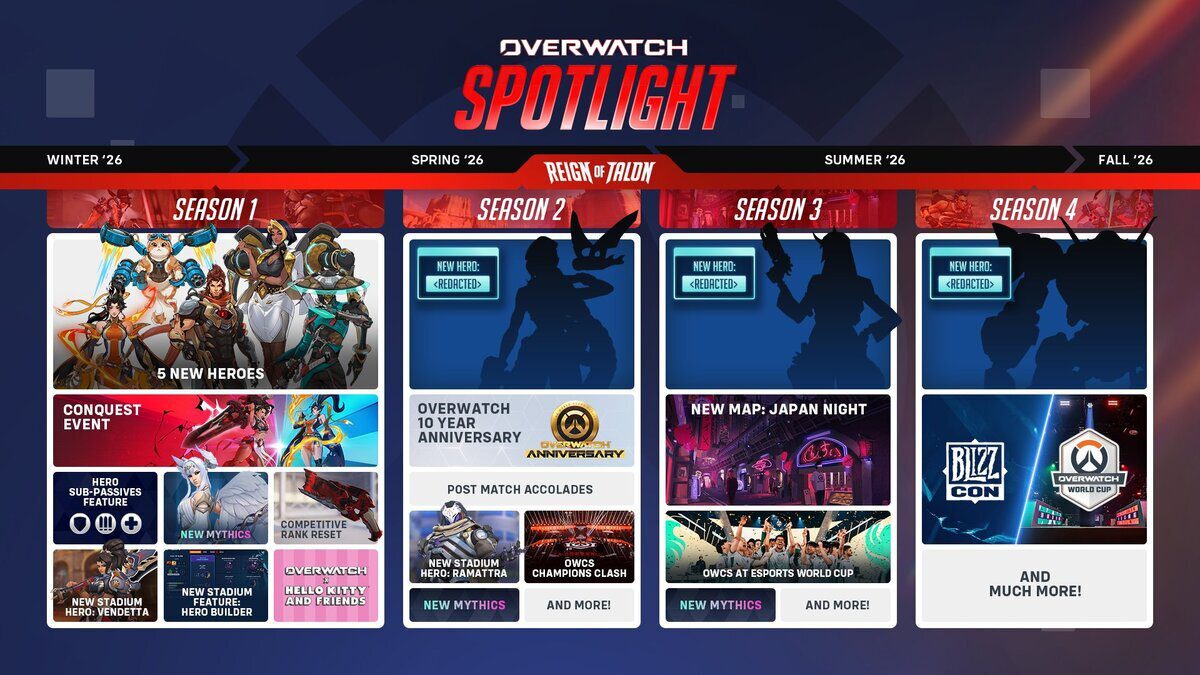
Today’s Overwatch Spotlight: A Reset Moment
The YouTube premiere—“Overwatch Spotlight | Premieres Feb 4 at 10am PST”—is Blizzard’s attempt to reframe the narrative. The event promises “new gameplay updates, huge reveals, and so much more” , signaling that the studio is ready to address long‑standing concerns and chart a clearer path forward.
While the full details of the Spotlight are unfolding live, the framing alone is telling. Blizzard is positioning this as a vision statement, not just a patch preview.
Why This Spotlight Matters
- It acknowledges the need for transparency
After years of fragmented communication, a centralized “Spotlight” format suggests Blizzard wants to rebuild trust. - It hints at structural changes
Phrases like “what’s next for Overwatch” imply more than seasonal updates—possibly new modes, reworks, or a philosophical shift. - It arrives at a critical time
The competitive scene is searching for stability, the casual player base wants meaningful progression, and the franchise needs a unifying direction.
The Long Shadow of Overwatch 2
The transition to Overwatch 2 reshaped the franchise in ways Blizzard likely didn’t anticipate:
1. Identity Crisis
Is Overwatch a competitive esport? A hero‑driven narrative universe? A casual shooter? The sequel blurred these lines instead of clarifying them.
2. Community Fragmentation
Players who loved the original’s slower, synergy‑heavy gameplay felt alienated. New players embraced the faster, more aggressive style. The result: two audiences with different expectations.
3. The PvE Fallout
The cancellation of the ambitious PvE mode remains one of the most defining moments in the franchise’s history. It reshaped player trust and forced Blizzard to rethink what Overwatch 2 actually is.
4. Monetization Pressure
The free‑to‑play model brought financial sustainability but also shifted the emotional relationship players had with the game.
Why Today Feels Like a Turning Point
The Spotlight event isn’t just another update—it’s Blizzard’s chance to:
- Reassert a clear identity for the franchise
- Deliver on long‑requested features or reworks
- Reconnect with a community that has felt unheard
- Set expectations for the next era of Overwatch
If Blizzard succeeds, this could be the moment the franchise regains its footing. If not, the narrative of missed potential may continue.
Overwatch remains one of gaming’s most recognizable universes. Its characters, art direction, and core gameplay loop still resonate deeply with millions. What the franchise has lacked is direction—and today’s Spotlight is Blizzard’s opportunity to provide it.
Whether this marks a renaissance or another reset will depend on how well Blizzard aligns its vision with the community’s hopes. But one thing is clear: the Overwatch universe is at a pivotal moment, and today’s announcements will shape its future for years to come.