Microsoft’s gaming empire is shifting again, and this time the tremor feels deeper than the usual executive reshuffle. According to internal communications and sources familiar with the matter, the Xbox organization is preparing for a structural reset that places a new CEO at the center of its long‑term strategy. The move arrives at a moment when Microsoft is trying to reconcile its ambitions in gaming, AI, and cross‑platform services, and the leadership change suggests the company is no longer content with incremental adjustments.
The transition reportedly began quietly, with senior Microsoft executives acknowledging that the Xbox division needed a clearer identity inside a corporation increasingly defined by cloud infrastructure and AI research. For years, Xbox leadership operated with a degree of autonomy, especially under Phil Spencer, who elevated the brand from a struggling console business into a broader gaming ecosystem. But as Microsoft’s priorities evolved, the company began reevaluating how gaming fits into its long‑term vision.
What Could Led On Sarah Bond Exiting Xbox
While Bond was instrumental in closing the Activision Blizzard deal, her tenure as President was marked by internal friction and strategic misses:
- The “This is an Xbox” Backlash: Her recent marketing campaign, which suggested consoles were unnecessary, reportedly “offended” long-term Xbox employees.
- The Missing Mobile Store: Bond famously promised an Xbox mobile gaming store by July 2024. Nearly two years later, it still does not exist.
- Internal Culture: Multiple sources described Bond as “tough to work with,” alleging she built a rigid team structure that pushed out those who questioned her vision.
The primary driver behind this executive “cleansing” appears to be the failure of the vision Bond championed under Spencer’s direction. Despite her success in navigating the regulatory hurdles of the $68.7 billion Activision Blizzard acquisition, her strategic pivot away from console hardware toward a cloud-and-mobile future failed to produce results. Microsoft’s hardware revenue has declined for three consecutive financial years, and the promised Xbox mobile gaming store—originally slated for a July 2024 launch—remains non-existent nearly two years later.
Internal friction also played a role; sources describe a “tough” leadership style where dissent was discouraged, and employees were reportedly “offended” by recent marketing campaigns that suggested a phone or a TV was just as much an “Xbox” as the console itself. By removing Bond, Nadella and CFO Amy Hood are effectively admitting that the attempt to de-emphasize the console was a strategic blunder that neglected today’s core customers in a vain chase for tomorrow’s mobile audience.
The “Asha Sharma” Pivot: AI or Art?
The biggest concern hitting social media and internal Slack channels today is Sharma’s lack of gaming experience. A self-admitted non-gamer, Sharma spent her first weekend in the role taking game recommendations on X (formerly Twitter).
However, her first official memo today directly addressed the “AI slop” fears:
“As monetization and AI evolve… we will not chase short-term efficiency or flood our ecosystem with soulless AI slop. Games are and always will be art, crafted by humans.”
Rather than an “executioner” of the console, insiders describe Sharma as an “execution specialist” brought in to fix the user acquisition failures that plagued the Spencer/Bond era.
The newly appointed Xbox CEO inherits a landscape that is both promising and precarious. Game Pass remains one of the most influential subscription services in the industry, yet its growth has slowed. Major acquisitions like Activision Blizzard have expanded Microsoft’s portfolio but also intensified scrutiny over how the company manages its studios. And while Xbox hardware continues to sell, it no longer defines the brand’s success the way it once did. The new leadership is expected to address these tensions directly, balancing the need for creative freedom with the pressure to deliver consistent financial results.
Internally, the shift has been described as a “realignment” rather than a disruption, but the tone suggests a desire for sharper execution. Employees familiar with the transition say the new CEO is expected to bring a more operational, metrics‑driven approach, contrasting with the community‑focused leadership style that defined the Spencer era. That doesn’t mean Xbox is abandoning its player‑first philosophy, but it does indicate that Microsoft wants clearer accountability as it navigates a gaming market reshaped by consolidation, cloud streaming, and AI‑assisted development.
The timing is notable. Microsoft is in the middle of redefining its software tools for game creators, integrating AI‑powered systems that promise faster iteration and more efficient asset production. The new CEO will likely be responsible for ensuring these technologies are adopted responsibly, without undermining the creative labor that fuels the industry. At the same time, the company must decide how aggressively it wants to pursue third‑party publishing, mobile expansion, and cross‑platform releases—areas where Xbox has been both praised for innovation and criticized for inconsistency.
For players, the leadership change may not produce immediate visible effects, but the long‑term implications could be significant. A more centralized Xbox could mean a more unified strategy across hardware, services, and studios. It could also mean bolder decisions about where Microsoft releases its games, how it invests in first‑party development, and how it positions Game Pass in a world where subscription fatigue is becoming real.
The Legacy of Phil Spencer
As Spencer officially transitions into retirement today, his 38-year legacy is a tale of two halves. He is credited with saving Xbox after the Xbox One disaster and championing consumer-friendly moves like Game Pass and crossplay.
However, he leaves at a time of immense turmoil. Between massive layoffs, studio closures, and the failure of the Xbox Series X|S to dent PlayStation’s market share, Spencer is “getting out” before having to answer for the long-term sustainability of the Activision acquisition.
What’s clear is that Microsoft is preparing Xbox for its next chapter. Whether this new era brings renewed momentum or deeper challenges will depend on how effectively the new CEO can balance creativity with corporate ambition. But one thing is certain: Xbox is no longer just a console business, and Microsoft wants leadership that reflects that reality.
One More Thing… From Xbox Brand Co-Founder
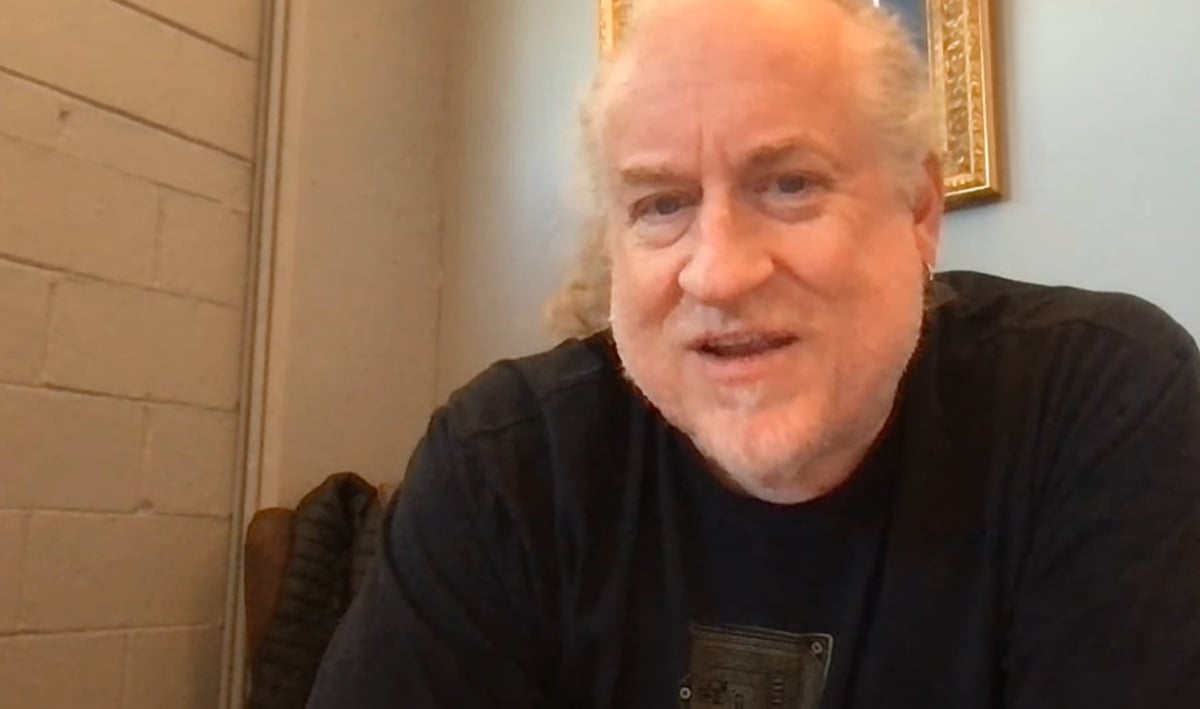
Seamus Blackley, one of the original architects of the Xbox and a figure long associated with the console’s rebellious, creator‑driven beginnings, expressed quite pessimism about the company’s new leadership direction in his recent interview. His support carries weight because he has never hesitated to criticize Xbox when he felt it drifted into corporate caution or lost touch with its identity.
Xbox, like a lot of businesses that aren’t the core AI business, is being sunsetted. They don’t say that, but that’s what’s happening. I expect that the new CEO, Asha Sharma, her job is going to be as a palliative care doctor who slides Xbox gently into the night
As per the believe of Blackley, many Microsoft businesses that aren’t related to the CoreAI business, are being or heading to be sunset as he believes that Sharma’s role is to move the Xbox brand out of the picture, despite her effort to rapport with Xbox and Microsoft Gaming Community this past weekend.
Who is Seamus Blackley (Backstory Context)
- Co‑creator of the original Xbox and one of the key figures who pushed Microsoft into the console market in the late ’90s.
- Known for his rebellious, creative, gamer‑first philosophy — often clashing with Microsoft’s corporate culture at the time.
- Left Microsoft in the early 2000s after internal conflicts, but remains a respected voice in gaming history.