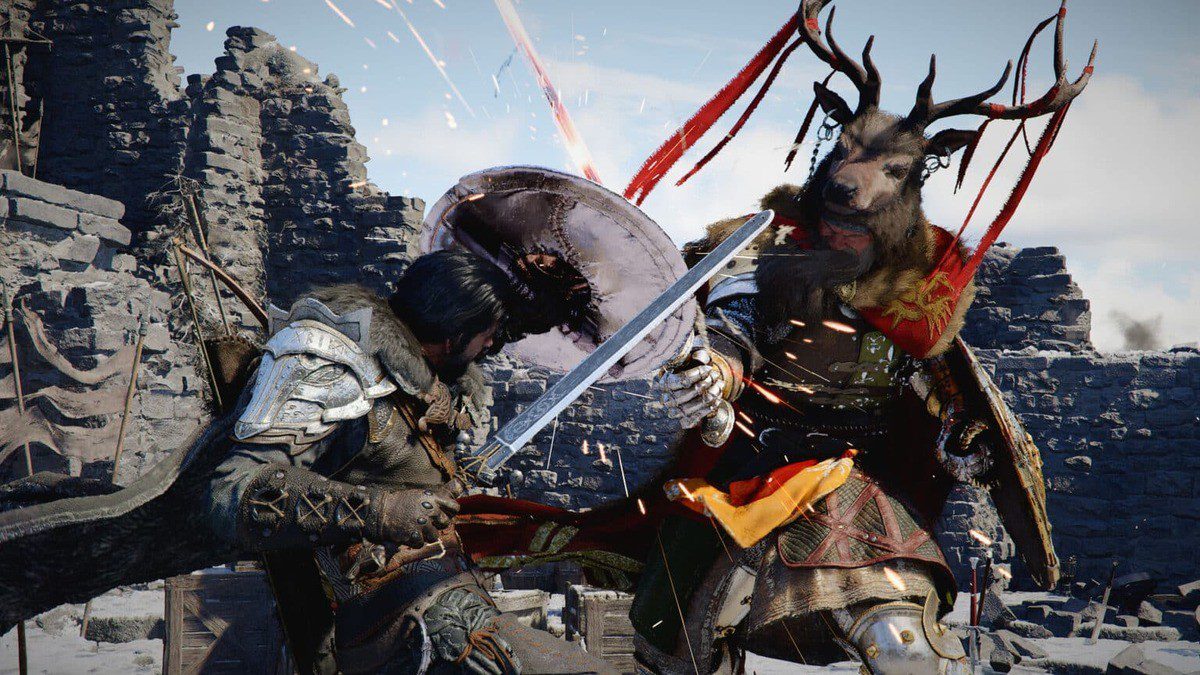
When Pearl Abyss first unveiled Crimson Desert, it was positioned as the studio’s boldest leap since Black Desert Online—a sprawling, cinematic action‑adventure RPG blending handcrafted storytelling with MMO‑scale worldbuilding. The early trailers were almost mythologized: sweeping vistas, brutal melee combat, and a promise that the game would redefine open‑world immersion. For years, fans followed every dev diary, every tech showcase, every hint that this would be the next genre‑shaping epic.
By the time launch week arrived, anticipation had reached a fever pitch. PC players in particular were eager to see how the game’s ambitious physics, dense environments, and cinematic combat would push modern hardware. But instead of celebrating a triumphant release, a significant portion of the PC community ran headfirst into a brick wall—one that Pearl Abyss had quietly built.
A Game That Simply Won’t Launch
Within hours of release, Intel Arc users discovered that Crimson Desert didn’t just run poorly—it didn’t run at all. Attempting to launch the game produced a blunt error message: “The graphics device is currently not supported.”
This wasn’t a fringe issue. Intel’s Arc GPUs—A750, A770, and the growing number of integrated Xe‑based solutions—represent millions of devices across desktops, laptops, and handheld PCs. Yet the game’s FAQ, which many players only discovered after the fact, stated plainly:
“Crimson Desert currently does not support Intel Arc graphics cards… please refer to the refund policy.”
No promise of a patch.
No reassurance that support is coming.
Just: get your money back.
For a AAA release in 2026, this is almost unheard of.
A Silent Omission That Speaks Volumes
The absence of Intel Arc from the game’s system requirements now looks less like an oversight and more like a warning sign. Pearl Abyss listed AMD and Nvidia GPUs in meticulous detail, yet Intel—despite being the third major player in the GPU market—was nowhere to be found.
Even Intel’s own driver updates offered no mention of Crimson Desert, despite supporting other major releases that same week. The implication is clear: the developer knew Arc wasn’t supported and chose not to highlight it prominently on storefronts like Steam.
For many players, that feels like a breach of trust.
The Fan Reaction: From Shock to Outrage
The backlash was immediate and intense. Arc users flooded forums, social media, and Steam discussions with frustration. Many had pre‑ordered the game, confident that modern AAA titles wouldn’t simply exclude an entire GPU family—especially one that has made major strides in performance and compatibility over the past year.
The sentiment was even harsher among handheld PC owners. Devices like the MSI Claw 8 AI+ rely entirely on Intel’s graphics architecture, meaning Crimson Desert is effectively unplayable on an entire category of gaming hardware.
For a game marketed as a massive, accessible open‑world adventure, this exclusion feels like a contradiction.
Why This Moment Matters Beyond Intel Arc
This controversy isn’t just about one GPU brand. It’s about what players expect—and deserve—from modern PC gaming.
1. The Fragmentation Problem
PC gaming has always been diverse, but outright incompatibility with a major hardware vendor is rare in 2026. Players fear this could set a precedent where developers quietly drop support for platforms that require extra optimization work.
2. The Trust Issue
Gamers rely on system requirements to make informed purchases. When a developer omits a major GPU family without clear warnings, it undermines consumer confidence.
3. The Accessibility Gap
Millions of players—especially those using laptops with integrated Intel graphics—are effectively locked out. This disproportionately affects students, budget gamers, and handheld enthusiasts.
4. The Industry Signal
If a high‑profile game like Crimson Desert can ship without Arc support, what stops other studios from doing the same? Intel has worked hard to improve Arc’s drivers, but developers may still prioritize Nvidia and AMD simply because they represent larger market shares.
A Game Too Ambitious for Its Own Good?
Ironically, Crimson Desert runs smoothly on Apple’s M‑series Macs—hardware that historically struggled with AAA gaming.
This contrast only deepens the confusion. If the game can be optimized for Apple Silicon, why not Arc?
Some analysts speculate that the game’s rendering pipeline or shader compilation system may rely heavily on features that Arc handles differently. Others believe Pearl Abyss simply didn’t allocate resources to optimize for Intel’s architecture.
Whatever the reason, the lack of transparency is what stings most.
The Bigger Picture: A Community Left Behind
The Crimson Desert launch should have been a celebration—a culmination of years of anticipation and a showcase of Pearl Abyss’ technical artistry. Instead, it has become a case study in how quickly goodwill can evaporate when communication falters.
Players aren’t just upset because the game doesn’t run on Arc.
They’re upset because they weren’t told.
They’re upset because the developer’s response feels dismissive.
And they’re upset because this moment highlights a growing divide in PC gaming—one where “supported hardware” is becoming a moving target.
Where Does Pearl Abyss Go From Here?
Right now, the studio’s stance suggests no immediate plans to support Intel Arc. The recommendation to seek refunds is a strong signal that compatibility isn’t on the near‑term roadmap.
But the longer this controversy lingers, the more it risks overshadowing the game’s achievements. Crimson Desert is visually stunning, narratively ambitious, and mechanically rich—but none of that matters to the players who can’t even reach the title screen.
If Pearl Abyss wants to restore trust, it will need to communicate clearly, commit to a plan, and acknowledge the frustration of the community it has inadvertently sidelined.