Xbox is entering one of the most defining transitions in its history, a moment shaped by rising subscription costs, shifting leadership, and a renewed debate over what the Xbox brand should stand for. What began as scattered frustration across the community has now escalated into a full‑scale internal reckoning, with Xbox’s new leadership openly acknowledging that the company has drifted too far from the values that once made the platform feel essential.
A New Leader and a New Tone
The arrival of Asha Sharma as the new CEO of Microsoft Gaming marked the end of an era. Sarah Bond stepped down, Phil Spencer retired after nearly four decades at Microsoft, and the company suddenly found itself under the guidance of someone unafraid to challenge the status quo. Sharma’s early messaging has been direct, almost blunt, signaling a desire to rebuild trust with players who feel Xbox has lost its way. Her repeated references to “the return of Xbox” have resonated with fans who have long asked for a clearer identity and stronger first‑party direction.
The Game Pass Reality Check
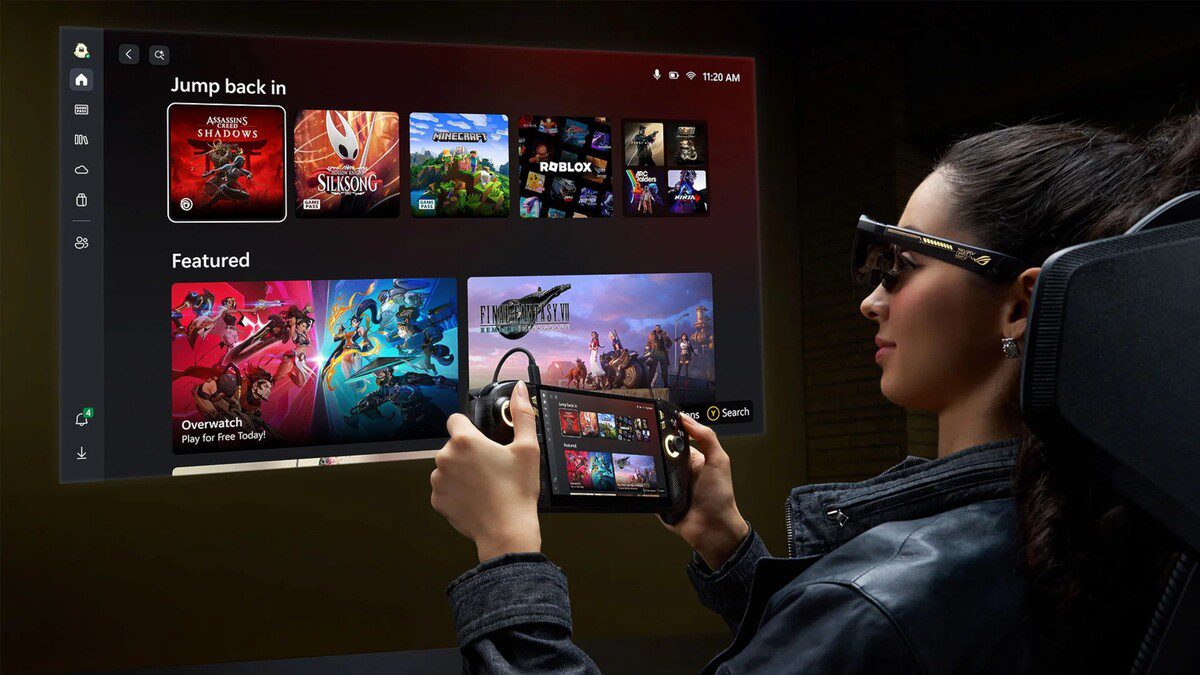
One of Sharma’s first major internal communications sent shockwaves through the industry. In a memo reported by The Verge, she acknowledged that Game Pass — once Xbox’s crown jewel — has become “too expensive” for players in the short term. It was a rare moment of corporate honesty, especially after a year marked by steep price increases across every tier of the service. Game Pass Ultimate rose by 50 percent, PC Game Pass saw significant hikes, and the restructuring of tiers left many subscribers questioning whether the service still delivered the value it promised.
For years, Xbox defended these increases by pointing to the growing library and day‑one releases. But the memo confirmed what players had been saying for months: the value equation no longer feels balanced. Sharma’s admission suggests that Xbox is preparing to rethink how Game Pass fits into the broader ecosystem, though no concrete changes have been announced. Internally, the company is reportedly exploring new pricing models, but the path forward remains uncertain.
The Return of the Exclusivity Debate
While Game Pass pricing has dominated headlines, another conversation has been unfolding behind the scenes — one that strikes at the heart of Xbox’s identity. According to reporting from Insider Gaming and commentary from industry insiders like Jez Corden, Xbox leadership is engaged in “very, very big discussions” about the future of exclusivity. This marks a dramatic shift from the last several years, during which Xbox embraced a platform‑agnostic strategy, releasing first‑party titles on PC, cloud, and even rival consoles.
Sharma’s public interactions with fans have added fuel to the speculation. When players asked for a return to true exclusives, she responded with short but telling messages like “Hear you” and “I’m listening.” These replies, though brief, suggest that Xbox is seriously considering a pivot back toward exclusivity as a way to strengthen the console’s identity and rebuild loyalty among long‑time fans.
A Brand Pulled in Two Directions
The tension inside Xbox is clear. On one side is the ecosystem‑driven vision that defined the Spencer era — a world where Xbox games live everywhere, Game Pass is the centerpiece, and hardware becomes optional. On the other side is the traditional console‑first philosophy that built the brand in the first place, one rooted in exclusive titles, hardware identity, and a competitive stance against PlayStation and Nintendo.
Sharma’s leadership appears to be nudging Xbox back toward its roots, though not necessarily abandoning the broader ecosystem approach. Instead, the company seems to be searching for a balance — a way to maintain reach without sacrificing the sense of identity that exclusives and strong first‑party output provide.
A Pivotal Moment for Xbox’s Future
Xbox now stands at a crossroads. The company must decide whether Game Pass remains a premium subscription or evolves into something more flexible and accessible. It must determine whether exclusives are essential to restoring the brand’s strength or whether the multi‑platform strategy remains the smarter long‑term play. And above all, it must rebuild trust with a community that has grown increasingly skeptical of rising prices, shifting strategies, and inconsistent first‑party output.
Asha Sharma’s early actions suggest she understands the weight of this moment. Her willingness to acknowledge missteps, engage directly with fans, and reconsider foundational strategies signals a leadership style focused on transparency and course correction. Whether this will be enough to reshape Xbox’s future remains to be seen, but one thing is clear: the company is preparing for significant change, and the next year may define the direction of the brand for the next decade.