
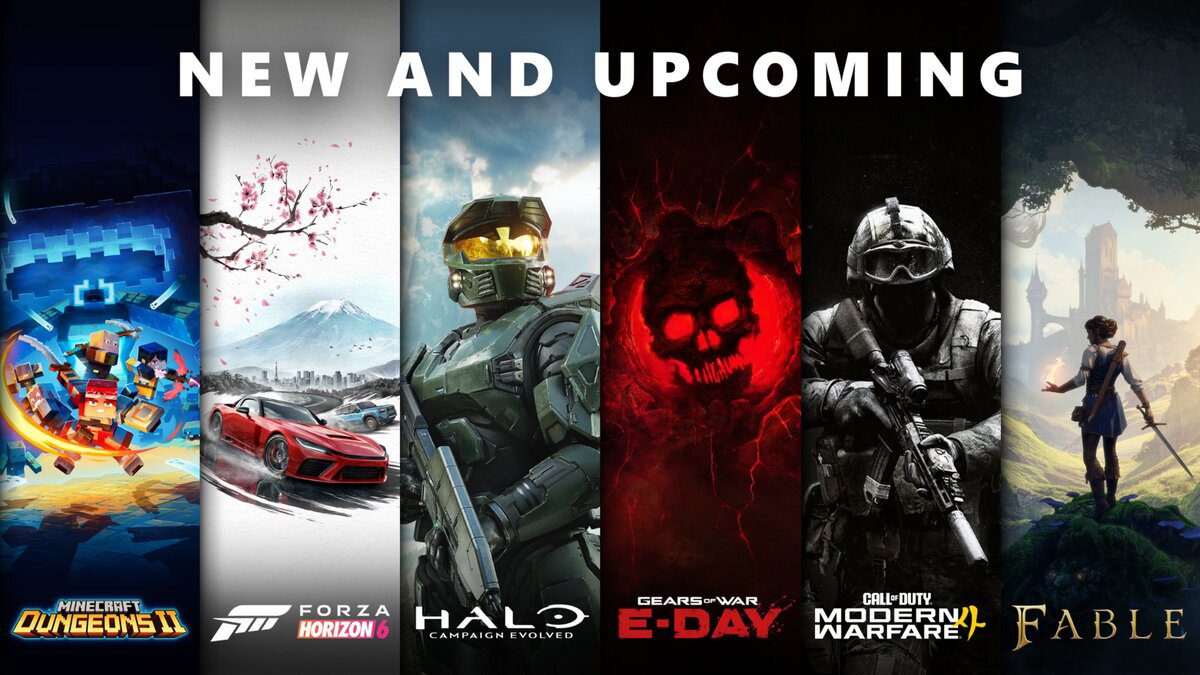
Xbox’s decision to set expectations ahead of its June 7 Xbox Games Showcase marks a rare moment of clarity in an industry that often leans on hype as a marketing strategy. The conversation around expectations sharpened after new reporting suggested that Fable—one of Xbox’s most anticipated first‑party titles—may not arrive as soon as fans hoped. According to Video Games Chronicle, internal discussions at Microsoft have included the possibility of pushing Fable into 2027, a move tied to production realities and the broader release landscape.
At the same time, Summer Game Fest’s official messaging has emphasized that fans should temper expectations for massive surprises, reinforcing a more grounded tone for the season’s showcases.
What emerges is a picture of an Xbox division attempting to recalibrate its relationship with its audience—one built less on spectacle and more on transparency.
A Shift Away From the Hype Machine
For years, Xbox has struggled with a mismatch between its marketing beats and its delivery timelines. The Fable reboot is a perfect example: first revealed in 2020, it has resurfaced only in carefully controlled bursts. The latest reporting indicates that Microsoft has considered delaying the game to avoid launching too close to Grand Theft Auto VI, a juggernaut scheduled for November 2026.
This isn’t just a scheduling conflict—it’s a strategic retreat. Competing with GTA VI would be commercially reckless, and Microsoft knows it. Even if Fable remains internally targeted for late 2026, the fact that a 2027 slip is on the table signals that Xbox is prioritizing long‑term success over short‑term marketing wins.
Meanwhile, Summer Game Fest’s messaging has reinforced that this showcase season is not about shock announcements but about realistic previews of what’s actually coming. This aligns with Xbox’s own need to rebuild trust after years of delays, cancellations, and inconsistent first‑party output.
Why Setting Expectations Matters
Expectation‑setting is not a sign of weakness—it’s a sign of maturity. When companies gamble with hype, they create a cycle of disappointment that erodes goodwill. Xbox has lived through this cycle repeatedly: Scalebound, Crackdown 3, Halo Infinite’s troubled launch, and the long drought of major exclusives have all contributed to skepticism.
By contrast, being upfront about what not to expect can strengthen the relationship between platform and player. It gives developers breathing room, prevents fan speculation from spiraling into unrealistic territory, and allows the showcase itself to be judged on its actual merits rather than on fantasies of impossible megatons.
In the case of Fable, acknowledging uncertainty—even indirectly through reporting—helps soften the blow if the game does slip. It also reframes the June 7 showcase: instead of expecting a release‑date mic drop, fans can focus on the progress the team has made and the vision Playground Games is building.
The Bigger Picture for Xbox
This year’s showcase is still poised to be significant. With Gears of War: E‑Day receiving a dedicated deep dive immediately after the event, Microsoft is signaling confidence in at least part of its 2026 lineup.
But the company is also acknowledging that not every major project is ready for the spotlight—and that’s okay.
The industry is shifting. Players are more informed, more skeptical, and more aware of development realities than ever before. Transparency isn’t just appreciated; it’s expected.
By setting expectations now, Xbox is choosing stability over spectacle. It’s choosing to let its games speak when they’re ready, not when marketing demands it. And in a showcase season historically defined by overpromises, that restraint might be the most refreshing announcement of all.