
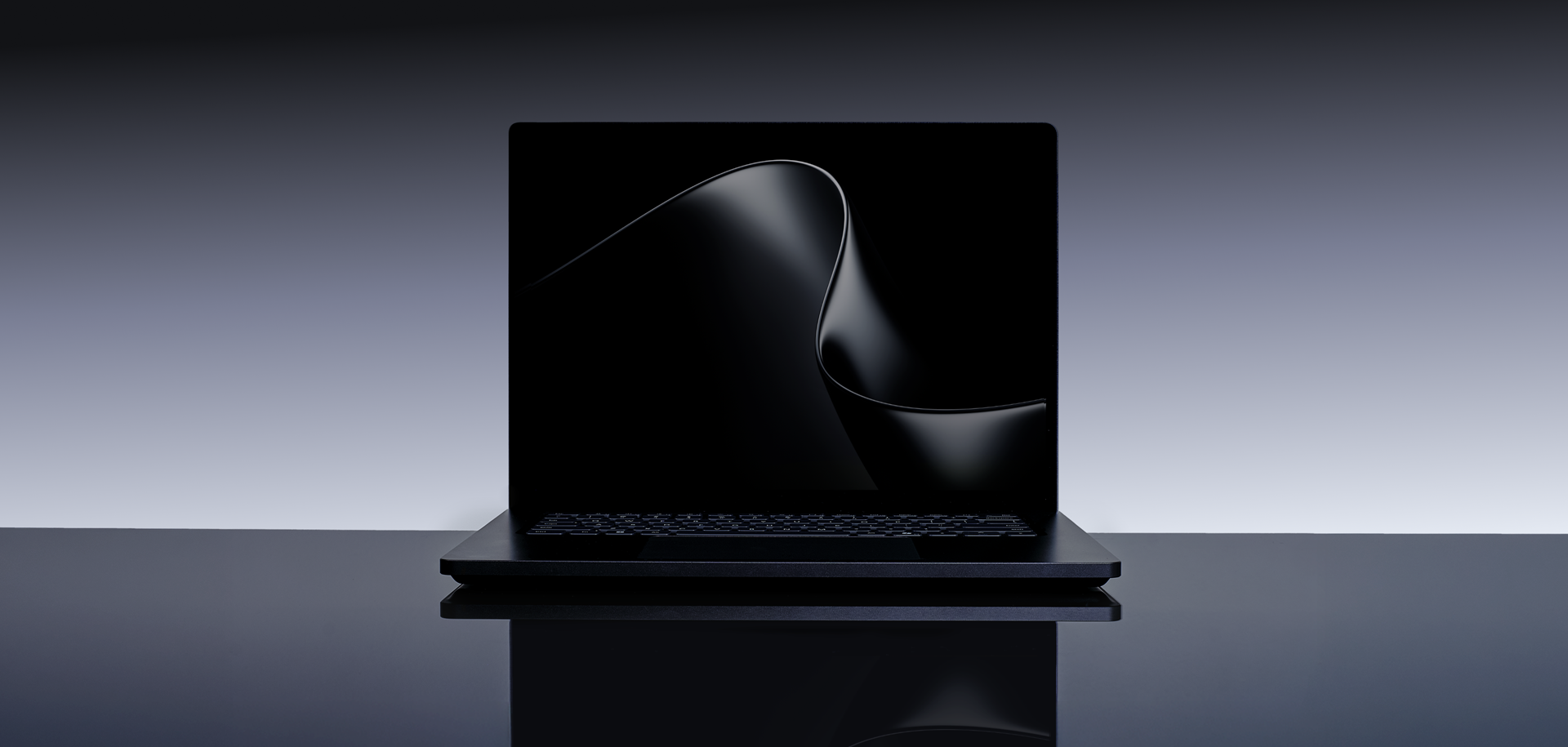
When Microsoft stepped onto the Computex 2026 stage to unveil the Surface Laptop Ultra, the company framed it as a machine “made for world makers”—a device for developers, engineers, and creators who push hardware to its limits. But beneath the calm, minimalist Surface aesthetic lies a machine that quietly breaks its own category. It is the first Surface built with NVIDIA from the silicon up, the first to embrace the full RTX Spark platform, and the first Windows on Arm device that doesn’t just flirt with high performance—it commits to it.
And in doing so, Microsoft may have accidentally built one of the most intriguing non‑gaming gaming laptops of the year.
A Workstation Disguised as an Ultrabook
The Surface Laptop Ultra doesn’t look like a workstation. It doesn’t roar with RGB, doesn’t flaunt aggressive vents, and doesn’t carry the bulk that usually accompanies high‑end GPUs. Yet its internals tell a different story. Microsoft’s own announcement highlights a machine capable of 1 petaflop of AI compute, powered by an NVIDIA Blackwell RTX GPU and paired with up to 128GB of unified memory—a configuration that would have sounded like science fiction for a thin‑and‑light laptop just a few years ago.
Unified memory is the quiet revolution here. Instead of splitting RAM between CPU and GPU, the Ultra allows both to draw from the same massive pool. For creators, this means handling enormous scenes, datasets, and AI models without the usual bottlenecks. For gamers, it means something equally transformative: textures, geometry, and compute workloads no longer fight for space. Everything flows through a single, high‑bandwidth memory architecture that behaves more like a console than a traditional PC.
Windows Central called it “the most powerful Windows on Arm device ever built,” and the first true showcase of NVIDIA’s N1x architecture in a consumer laptop. That’s not marketing fluff. It’s a shift in what a Surface device can be.
RTX Spark: The Platform That Changes the Rules
The Surface Laptop Ultra is the first consumer laptop built for RTX Spark, NVIDIA’s new full‑stack platform that merges Arm CPU design, Blackwell GPU architecture, unified memory, and CUDA acceleration into a single ecosystem. For AI developers, this is a dream. For gamers, it’s a quiet revolution.
The Blackwell GPU inside the Ultra carries thousands of CUDA cores—enough to rival mid‑range desktop cards—and it’s paired with a thermal system that finally acknowledges the needs of sustained performance. Dual fans, a redesigned airflow path, and a chassis engineered around heat dissipation mark a departure from the thermally constrained Surface devices of the past.
But the real magic comes from the software side. Microsoft’s Prism emulation layer has been optimized specifically for Spark hardware, meaning x86 games that aren’t Arm‑native will run better here than on any previous Windows‑on‑Arm device. And for the first time, major anti‑cheat systems—including Easy Anti‑Cheat and BattlEye—are fully supported on Arm. Riot Games and KRAFTON have already committed to native compatibility, bringing titles like Valorant, League of Legends, and PUBG: Battlegrounds into the fold.
This is the moment Windows on Arm stops being a curiosity and becomes a viable gaming platform.
A Creator’s Laptop That Accidentally Becomes a Gamer’s Secret Weapon
Microsoft didn’t design the Surface Laptop Ultra to compete with ROG, Legion, or Alienware. It doesn’t try to. But the combination of unified memory, a workstation‑class GPU, and a display that outshines most gaming laptops creates a machine that performs far beyond its intended audience.
The 15‑inch mini‑LED panel reaches 2,000 nits, making HDR gaming genuinely spectacular. The port selection—HDMI, USB‑A, USB‑C, SD card, and a headphone jack—caters to creators but conveniently aligns with what gamers actually need. And the chassis, weighing under 4.5 pounds, offers a level of portability that gaming laptops rarely achieve without sacrificing performance.
This is a laptop that games not because it’s marketed to gamers, but because its hardware simply refuses not to.
What This Means for the Gaming Landscape
The Surface Laptop Ultra is more than a product launch. It’s a signal of where the industry is heading.
Windows on Arm is no longer a side experiment. With native anti‑cheat, optimized emulation, and real RTX hardware, it becomes a legitimate alternative to x86 gaming laptops. NVIDIA’s entry into the Arm laptop space reshapes the competitive landscape, putting pressure on Intel and AMD in ways they haven’t faced before. And for the Surface brand, the Ultra represents a long‑awaited performance flagship—one that finally delivers workstation‑class power without the compromises that defined earlier attempts.
For gamers, the message is simple: the definition of a gaming laptop is changing. Power no longer needs to come wrapped in neon lights and aggressive cooling fins. It can come in a quiet, elegant chassis built for creators but fully capable of running the latest AAA titles.
The Verdict: Should Gamers Care?
If you want the highest frame rates, the fastest refresh rates, and the loudest cooling systems, the Surface Laptop Ultra won’t replace your dedicated gaming machine. But if you’re a gamer who also codes, edits, renders, or trains AI models—and you want a laptop that blends professional design with unexpected power—the Ultra becomes one of the most compelling devices of 2026.
It’s not a gaming laptop.
It’s a laptop that games effortlessly while doing everything else exceptionally well.
And sometimes, that’s the most exciting kind of machine.
Surface Laptop Ultra is for them.
For those building the systems, the breakthroughs and the infrastructure the world runs on and gets changed by. The ones who see limits as flaws and have the