Shuhei Yoshida’s revelation that Jim Ryan “fired” him from PlayStation Studios because he “didn’t listen” isn’t just a spicy industry anecdote — it’s a window into a deeper cultural shift inside Sony Interactive Entertainment (SIE), one that has shaped the company’s current identity, its creative output, and its increasingly fragile relationship with players.
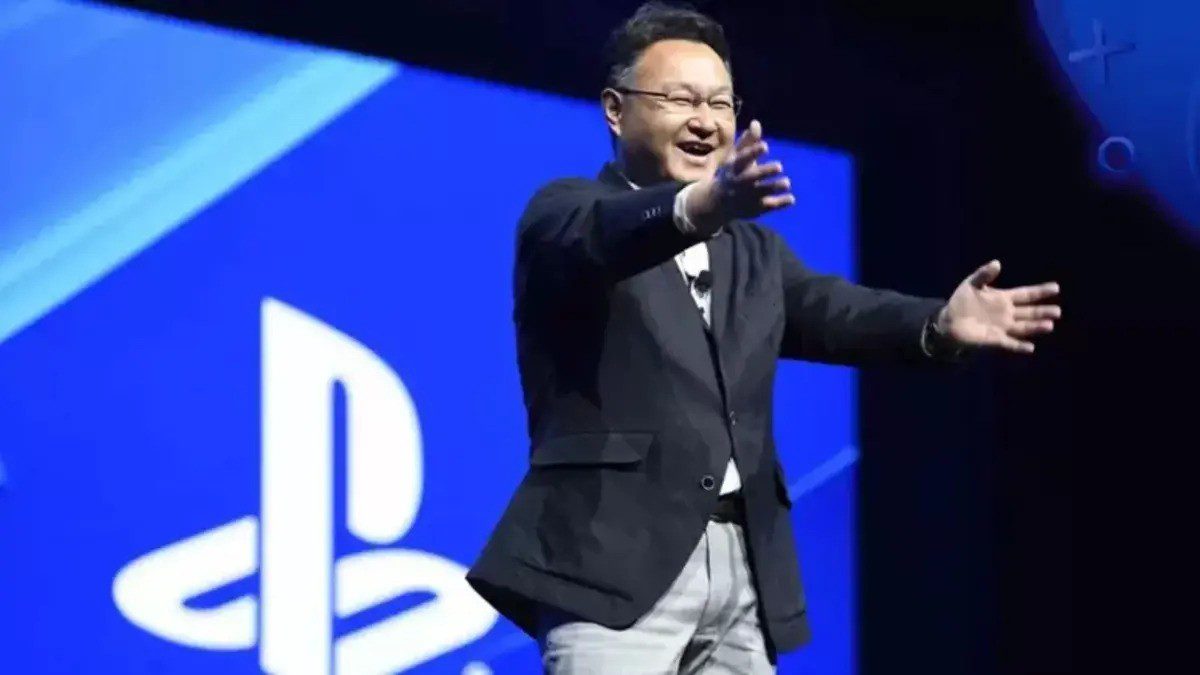
When Shuhei Yoshida stepped onto the stage at Australia’s ALT: GAMES festival in April 2026, the audience expected warmth, humor, and indie‑game evangelism — the traits that made him one of PlayStation’s most beloved executives. What they didn’t expect was a candid confession: he was fired from PlayStation Studios because he didn’t listen to Jim Ryan.
Delivered with Yoshida’s trademark jovial tone, the remark drew laughter. But beneath the humor was a story about two radically different visions for PlayStation — and how the clash between them continues to shape Sony Interactive Entertainment long after Jim Ryan’s departure.
A Tale of Two PlayStations
Shuhei Yoshida is, in many ways, the soul of the PlayStation brand. Over 31 years, he shepherded some of the most defining first‑party titles ever made: God of War, Uncharted, The Last of Us, Ghost of Tsushima. He was the executive who championed creative risk, protected studios from corporate turbulence, and believed that PlayStation’s identity was built on artistry, not algorithms.
Jim Ryan, by contrast, represented a different PlayStation — one focused on scale, market dominance, and aggressive business expansion. During his tenure as CEO (2019–2024), Ryan oversaw major acquisitions, pushed PlayStation into PC publishing, and reorganized Sony Worldwide Studios into the more corporate‑sounding “PlayStation Studios.” He also greenlit a massive pivot toward live‑service games, targeting 12 such titles by 2025.
Both men were veterans of the company. Both wanted PlayStation to succeed. But they fundamentally disagreed on how.
“He asked me to do some ridiculous things, and I said no.”
Yoshida’s recounting of his removal from the presidency of Worldwide Studios is striking not because it’s dramatic, but because it’s so matter‑of‑fact.
“Jim Ryan wanted to remove me from first‑party because I didn’t listen to him… He asked to do some ridiculous things, and I said ‘No.’”
This wasn’t a clash of egos — it was a clash of philosophies.
Yoshida believed in nurturing studios, giving them time, and protecting creative autonomy. Ryan believed in operational alignment, predictable output, and a more centralized corporate structure. In that environment, Yoshida’s resistance wasn’t insubordination — it was incompatibility.
Sony publicly framed the transition as a “new initiative” focused on indie creators. In reality, it was a demotion. Yoshida embraced the role with grace, becoming PlayStation’s most visible indie advocate, but the shift marked the end of an era.
How Unusual Is It to Remove a Two‑Decade Veteran? Extremely.
In the gaming industry, long‑tenured executives are rare. But removing one who:
- helped define the brand’s creative identity
- oversaw multiple Game of the Year winners
- maintained strong relationships with every major first‑party studio
…is almost unheard of.
Yoshida wasn’t a figurehead — he was the connective tissue between Sony’s corporate leadership and its world‑class studios. His departure from first‑party leadership signaled a dramatic cultural pivot: from a studio‑first philosophy to a top‑down corporate strategy.
And the results of that shift are still being felt.
Jim Ryan’s Legacy: Growth, Disruption, and a Fragmented PlayStation
Jim Ryan’s tenure was not a failure — far from it. Under his leadership, PlayStation 5 became one of the fastest‑selling consoles in history, and Sony’s acquisitions strengthened its portfolio. But the cost of that growth is now becoming clear.
1. The Live‑Service Gamble
Ryan’s push for 12 live‑service titles by 2025 was ambitious to the point of reckless. Many of those projects have since been delayed, restructured, or quietly canceled. Studios known for narrative excellence were suddenly retooled for multiplayer development — a move that strained teams and confused fans.
2. The Creative Identity Crisis
PlayStation’s brand was built on prestige single‑player experiences. Ryan’s strategy diluted that identity, creating a perception that Sony was chasing trends rather than setting them.
3. The Studio Culture Shift
Yoshida’s removal symbolized a broader change: the erosion of the protective buffer between creatives and corporate demands. Several studios reportedly felt increased pressure for output, alignment, and monetization.
4. The Current SIE Turbulence
Even after Ryan’s retirement in 2024, SIE continues to grapple with:
- restructuring
- layoffs
- shifting priorities
- uncertainty around long‑term strategy
These issues aren’t solely Ryan’s doing — the industry as a whole is contracting — but his decisions created structural vulnerabilities that Sony is now forced to confront.
What Yoshida’s Story Reveals About PlayStation Today
Yoshida’s anecdote isn’t just a funny moment from a veteran developer. It’s a microcosm of the tension inside PlayStation:
- Creativity vs. Corporate Control
- Artistic risk vs. predictable revenue
- Studio autonomy vs. centralized strategy
His departure from leadership marked the moment when the balance tipped toward the latter — and PlayStation has been trying to recalibrate ever since.
Ironically, Yoshida himself seems at peace. He now runs his own indie consulting firm, free to talk about Nintendo, Xbox, and Steam without corporate oversight.
But the company he left behind is still wrestling with the consequences of the decision to remove him.
Conclusion: A PlayStation at a Crossroads
Shuhei Yoshida’s firing wasn’t personal — it was philosophical. It symbolized the end of the “golden age” PlayStation culture that prioritized creative excellence above all else. Jim Ryan’s tenure brought growth, acquisitions, and modernization, but also fragmentation, identity drift, and strategic overreach.
Today, Sony Interactive Entertainment stands at a crossroads, trying to reconcile the two visions:
- the Yoshida era of creative stewardship
- the Ryan era of corporate expansion
The future of PlayStation will depend on whether the company can rediscover the balance it once had — the balance that made its first‑party studios the envy of the industry.