When Nintendo filed its lawsuit against the U.S. government last month, the company positioned itself as a victim of sweeping, “unlawful” trade measures. It argued that federal agencies had improperly collected tariffs on imported goods and demanded those payments back — with interest. But that legal maneuver has now sparked a very different kind of backlash: a class‑action lawsuit from Nintendo’s own customers, who claim the company is trying to get paid twice for the same tariffs.
At the center of this dispute is a simple but explosive accusation: Nintendo raised prices on consumers to offset tariffs, and now that those tariffs may be refunded, the company allegedly intends to keep both the consumer‑funded price increases and the government refund. According to the plaintiffs, that would amount to unjust enrichment — and a violation of Washington state’s consumer protection laws.
How We Got Here: A Tariff Storm Years in the Making
The conflict traces back to a turbulent period in U.S. trade policy. In 2025, the federal government imposed broad tariffs on imports from nearly every country, a move that affected thousands of companies across multiple industries. Nintendo was one of them. The company claims it paid tariffs on products entering the U.S. and that those payments were improperly collected. In its lawsuit against the government, Nintendo argues that more than $200 billion in tariffs were levied nationwide under unlawful procedures.
But while Nintendo was absorbing these costs, consumers were feeling the impact too. Prices on certain Nintendo products rose during the tariff window — a fact that now sits at the heart of the new class‑action suit.
The Gamers’ Lawsuit: “Nintendo Stands to Recover Twice”
The plaintiffs, Gregory Hoffert of California and Prashant Sharan of Washington, filed their lawsuit on behalf of American consumers who purchased tariff‑affected Nintendo products between February 1 and February 24, 2026. Their argument is blunt: if Nintendo receives a refund from the government, it should not also retain the money it collected from customers through higher prices.
In their filing, they warn:
“Unless restrained by this Court, Nintendo stands to recover the same tariff payments twice — once from consumers through higher prices and again from the federal government through tariff refunds, including interest paid by the government on those funds.”
If true, that would mean Nintendo not only shielded itself from the financial impact of tariffs but also positioned itself to profit from their reversal.
A Broader Corporate Rebellion
Nintendo is far from alone in challenging the U.S. government. More than 1,000 companies — including FedEx and Costco — have filed similar lawsuits seeking tariff refunds. The wave of litigation follows a major Supreme Court decision earlier this year that struck down most of the global tariffs enacted under President Donald Trump.
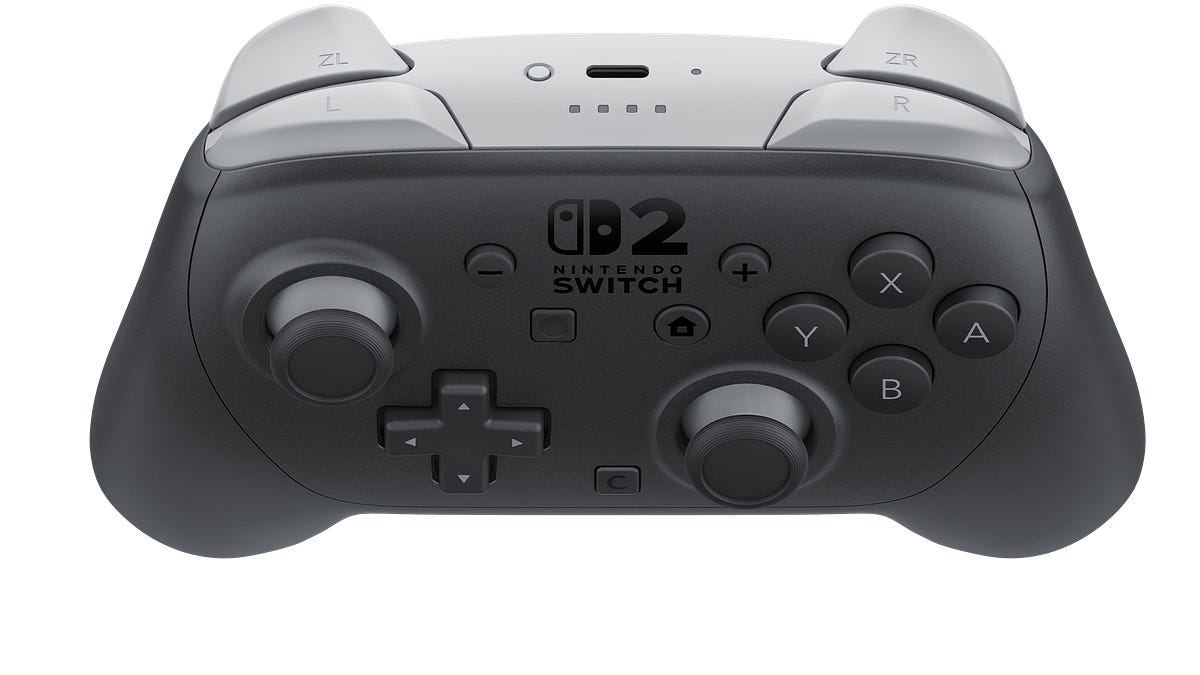
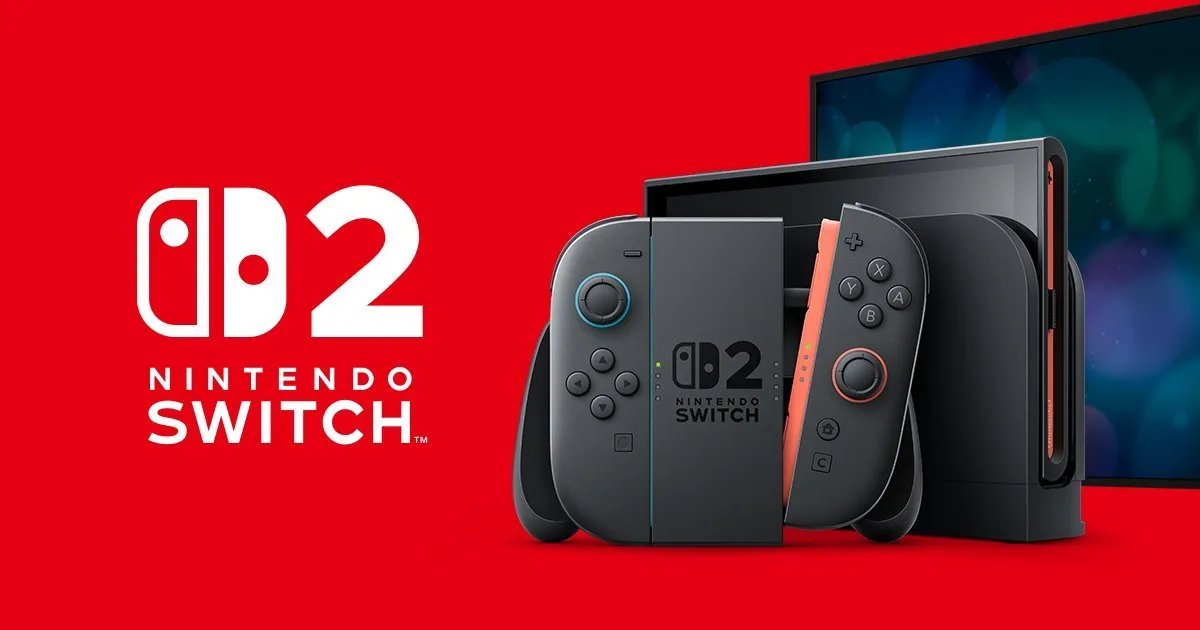
For Nintendo, the timing was particularly sensitive. The tariffs took effect just as the company was preparing to launch the highly anticipated Switch 2. U.S. pre‑orders were delayed from April 9 to April 24, though the console’s final release date remained intact.
Why This Case Matters for Gamers
This lawsuit isn’t just about tariffs — it’s about trust. Nintendo has long cultivated a reputation as a consumer‑friendly company, one that prioritizes fun, accessibility, and family‑oriented experiences. But the plaintiffs argue that behind the scenes, the company made a calculated financial decision that placed the burden of trade policy squarely on its customers.
If the court sides with the plaintiffs, Nintendo could be forced to return money to consumers who bought affected products during the tariff window. If the court sides with Nintendo, the company may walk away with both the consumer‑funded price increases and the government refund.
Either outcome will set a precedent for how gaming companies — and tech companies more broadly — handle sudden shifts in trade policy.
Nintendo’s Silence and What Comes Next
As of the latest reporting, Nintendo of America has not commented on the lawsuit. That silence is unsurprising; the company is already engaged in a major legal battle with the federal government, and any public statement could complicate its position.
For now, the case moves forward in Washington state, where the plaintiffs hope to represent a nationwide class of Nintendo customers. The stakes are high, not just for Nintendo’s finances but for its relationship with the gaming community.
A Moment of Reckoning
The gaming industry is no stranger to controversy, but this case hits differently. It’s not about Joy‑Con drift, digital refunds, or subscription models — it’s about whether a beloved gaming giant unfairly profited from a chaotic moment in U.S. trade policy.
As the legal battles unfold, one thing is clear: the intersection of global economics and gaming is becoming increasingly complex, and consumers are paying close attention.
Whether Nintendo ultimately emerges vindicated or vulnerable, this lawsuit marks a rare moment when gamers themselves are taking the company to court — and demanding accountability.