
Xbox’s leadership has now made one thing unmistakably clear: the Xbox Mobile Store was never abandoned—only misunderstood. Asha Sharma’s recent clarification, paired with the historical context of Microsoft’s acquisition strategy, shows that the mobile store remains a strategic pillar rather than a discarded experiment.
A Long‑Dormant Vision Reawakens
When the Xbox Mobile Store webpage suddenly began returning errors in April 2026, many assumed the project had been quietly killed. After all, nearly two years had passed since Sarah Bond first announced the initiative in 2024, promising a web‑based store that would bypass the restrictive policies of Apple and Google. The silence that followed—no beta, no updates, no public roadmap—made the disappearance of the page feel like confirmation.
But the narrative shifted dramatically when Xbox CEO Asha Sharma responded directly to speculation on social media. She revealed that Microsoft had filed an amicus brief just three weeks earlier, arguing that mobile competition still matters and that the future of gaming should be more open. Her statement was unequivocal: “the idea of an Xbox mobile store is not dead.”
This wasn’t a casual reassurance—it was a signal that the project remains active inside Microsoft’s long‑term strategy.
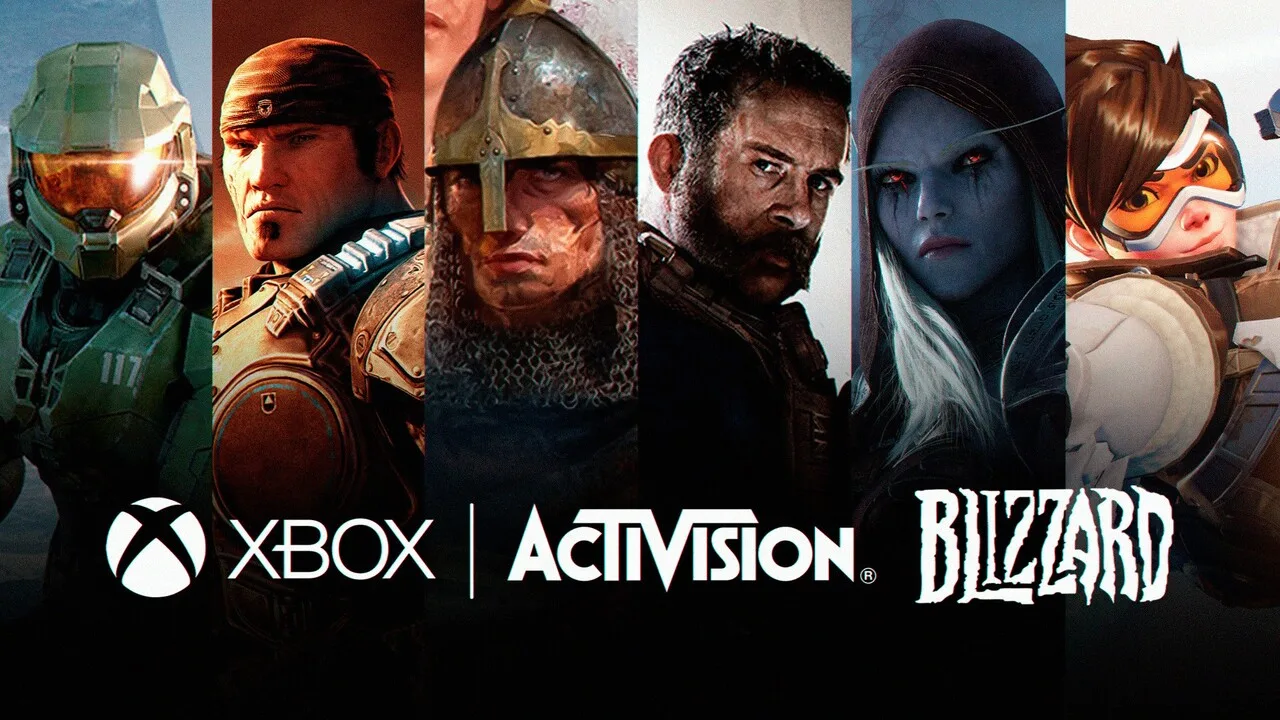
Why Microsoft Wanted Activision Blizzard King in the First Place
To understand why the mobile store remains alive, you have to look back at the 2022–2023 acquisition of Activision Blizzard King. While Call of Duty dominated headlines, the real crown jewel was King, the mobile titan behind Candy Crush. King’s expertise in mobile monetization, distribution, and live‑ops dwarfs Microsoft’s internal capabilities. Blizzard’s Battle.net team, meanwhile, brought decades of experience running secure, large‑scale digital storefronts.
Microsoft didn’t spend nearly $69 billion just to strengthen Xbox’s console lineup. The acquisition was a direct attempt to break into the mobile ecosystem—one of the only gaming markets where Microsoft had virtually no presence. A dedicated Xbox mobile store, powered by King’s mobile know‑how and Blizzard’s infrastructure discipline, was the logical endgame.
This context makes Sharma’s comments more than PR damage control—they reaffirm the original strategic intent behind the acquisition.
Why the Project Looked Abandoned
The perception of abandonment came from three converging issues:
- Technical and regulatory roadblocks. Apple and Google have historically made it extremely difficult for third‑party stores to operate on their platforms, even after regulatory pressure. Microsoft itself complained in 2025 that its efforts were being “stymied” by Apple.
- Internal leadership changes. Sarah Bond, who championed the mobile store and the broader “Xbox everywhere” strategy, departed alongside Phil Spencer. Sharma’s early moves—killing the “This Is an Xbox” campaign and refocusing on console identity—made it appear she was dismantling Bond’s initiatives.
- The vanishing storefront. When all test URLs began returning 404 errors, even longtime Microsoft watchers declared the project dead.
But Sharma’s direct response contradicts that assumption. The store wasn’t killed—it was paused, re‑evaluated, and repositioned.
A Reframed Future for Xbox on Mobile
Sharma’s vision is more measured than Bond’s, but not smaller. Her emphasis on openness, competition, and long‑term infrastructure suggests that Microsoft is still preparing for the moment when regulatory shifts finally force mobile ecosystems to open up.
When that moment arrives, Microsoft wants to be ready—with King’s mobile dominance, Blizzard’s backend sophistication, and Xbox’s first‑party catalog all feeding into a unified, cross‑platform store.
The Xbox Mobile Store isn’t dead. It’s waiting for the world to catch up.