Xbox’s new leadership has executed a dramatic course correction—halting Copilot for consoles, rolling back the broader “AI-everywhere” mandate of the old Microsoft Gaming era, and reshaping the division around speed, fundamentals, and community trust.
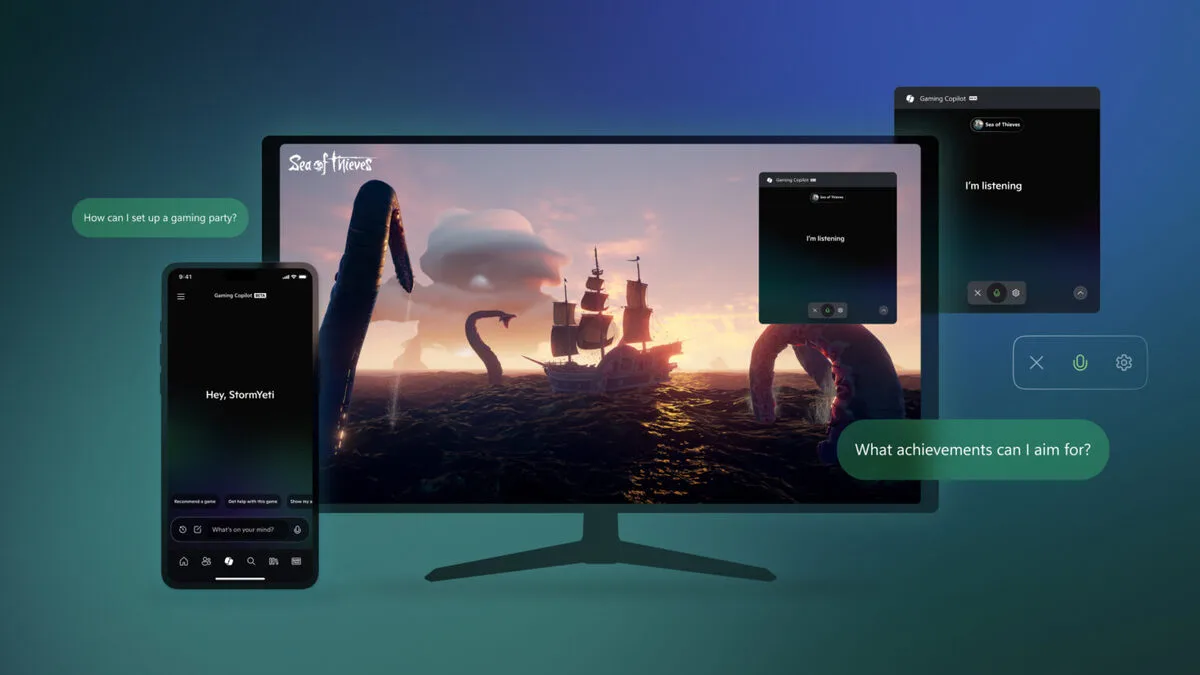
A year ago, Copilot for Gaming was pitched as the next big pillar of Microsoft’s AI strategy: an always‑on assistant that could coach players, surface tips, and guide newcomers through complex titles. It debuted across the Xbox mobile app, Windows 11’s Game Bar, and devices like the ROG Ally, with a console launch planned for late 2026. But the vision never fully resonated with players or developers. Early demonstrations—such as AI-guided tutorials in Sea of Thieves—were met with skepticism, with critics arguing that the assistant risked flattening discovery and over‑automating the joy of learning games organically.
A Former AI Executive Agrees That An AI Full Companion Is Not For Xbox Yet
When Asha Sharma stepped in as Xbox CEO in February 2026, she inherited a division struggling with declining hardware revenue, slowing services growth, and a growing perception that Xbox had drifted away from its core identity. Sharma, a veteran of Microsoft’s CoreAI group, arrived with a mandate to rebuild fundamentals and re‑establish trust. Her first major act was decisive: Copilot on console would be canceled, and the mobile version wound down, ending the most visible AI experiment in Xbox’s history.
Sharma’s rationale was blunt. Copilot, she said, simply did not align with where Xbox was headed. The company had spent too much time looking inward, chasing features that didn’t solve real player problems. Instead, she redirected Xbox’s AI strategy toward invisible, performance‑driven enhancements—Automatic Super Resolution, improved discovery, and deeper personalization—the kind of behind‑the‑scenes work that strengthens the platform without intruding on play.
This pivot came alongside a sweeping leadership overhaul. Four senior figures from CoreAI—Jared Palmer, Tim Allen, Jonathan McKay, and Evan Chaki—were brought in to accelerate engineering, design, growth, and developer tooling. Their arrival marked a generational shift, as long‑time Xbox veterans Kevin Gammill and Roanne Sones stepped aside. Sharma framed the shakeup as essential to making Xbox “faster,” more community‑focused, and more capable of shipping meaningful improvements without bureaucratic drag.
The rollback of Copilot also represents a symbolic break from the Phil Spencer‑era Microsoft Gaming strategy, which embraced broad AI integration as a future‑defining pillar. Under Sharma, Xbox is rejecting AI for AI’s sake. The new philosophy is pragmatic, almost surgical: AI should enhance the experience, not overshadow it. Analysts note that this shift may help Xbox regain credibility with players wary of AI overreach, while freeing resources for the next‑generation Project Helix hardware and ecosystem.
In effect, Sharma has redrawn the boundaries of what AI should mean for Xbox. The Copilot experiment—ambitious, controversial, and short‑lived—now stands as a cautionary tale of misaligned priorities. The new Xbox is leaner, more grounded, and more willing to reverse course when the community signals discomfort. And in an industry where trust is currency, that may be the boldest move of all.
For more about the recent changes of Xbox, consider my video about that here: