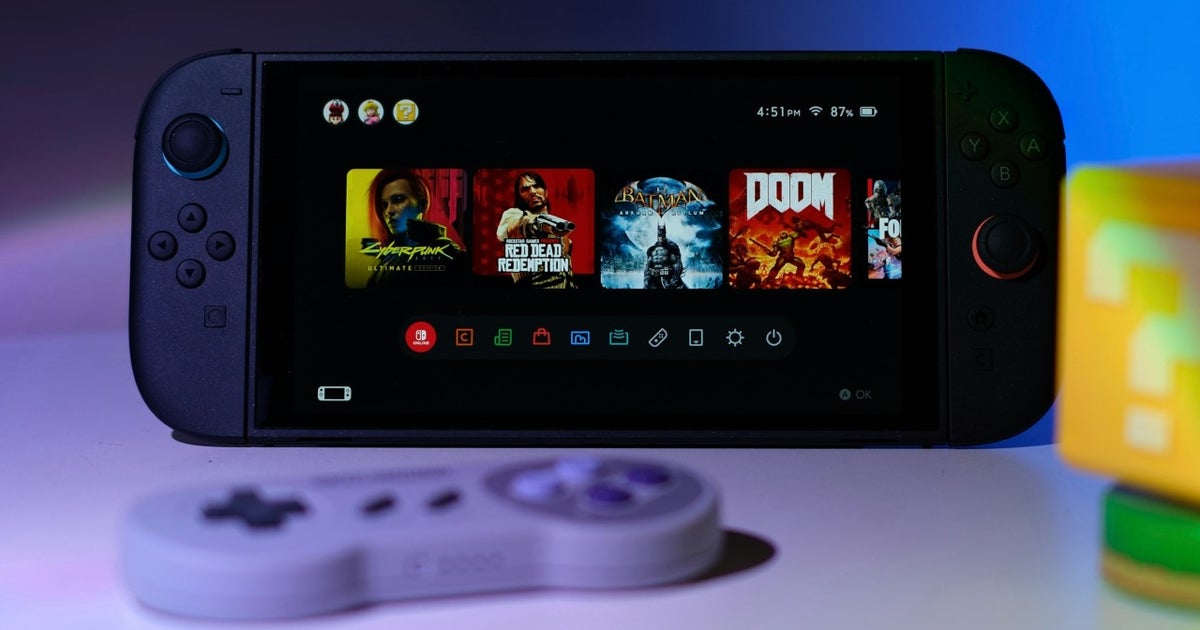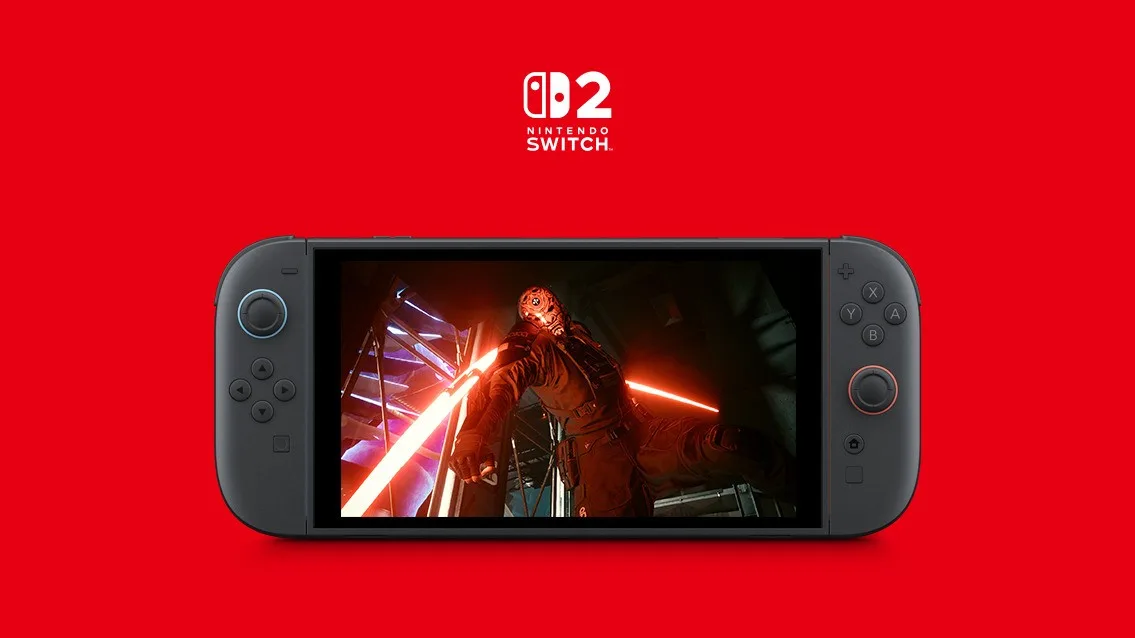
Nintendo has entered the new fiscal year with a rare combination of explosive commercial success and a controversial global price adjustment. The company confirmed that the Nintendo Switch 2—already one of the fastest‑selling consoles in its history—will see price hikes across the US, Canada, Europe, and Japan, marking one of the most aggressive hardware repricings Nintendo has ever implemented.
The announcement arrives just as Nintendo reports its strongest financial performance in over a decade, driven almost entirely by the Switch 2’s launch momentum.
Switch 2 Price Hike: A Global Reset of Nintendo’s Hardware Strategy
Nintendo attributed the price increases to “changes in market conditions” and ongoing shortages of key memory components. While the company avoided technical specifics, industry analysts point to rising NAND and LPDDR costs as the likely culprits.
Revised Switch 2 Prices
- United States: $449.99 → $499.99
- Canada: $629.99 CAD → $679.99 CAD
- Europe (My Nintendo Store): €469.99 → €499.99
- Japan (domestic model): ¥49,980 → ¥59,980
- Approx. $320 → $384 USD
Japan also saw increases for the Switch OLED, Switch, and Switch Lite, marking the first across‑the‑board hardware adjustment in the platform’s lifespan.
Nintendo Switch Online subscription tiers will also rise in Japan beginning July 1, 2026.
The only exception: the multilanguage Switch 2 sold through the Japanese My Nintendo Store, which will retain its original price.
Why Nintendo Is Raising Prices Now
Nintendo president Shuntaro Furukawa previously warned that component shortages could force hardware repricing. The company now frames the move as a long‑term stabilization strategy, not a short‑term reaction.
Internally, Nintendo appears to be:
- Protecting hardware margins during a high‑demand cycle
- Preparing for multi‑year Switch 2 production
- Avoiding supply bottlenecks that could disrupt holiday sales
- Repositioning the Switch 2 as a premium hybrid device
The timing is notable: Nintendo is raising prices after the console’s record‑breaking launch quarter, not before it—suggesting confidence that demand will remain strong even at higher price points.
Nintendo FY Earnings (USD‑Equivalent)
Below is a clean, isolated list of the earnings data you requested, converted to USD where applicable.
Full Fiscal Year (Ending March 31, 2026)
- Net Sales: ¥2.3 trillion → $14.6 billion
- Operating Profit: ¥360.1 billion → $2.2 billion
- Ordinary Profit: ¥542.2 billion → $3.4 billion
- Gross Profit: ¥909 billion → $5.7 billion
Hardware & Software Performance
- Switch 2 Hardware: 19.86 million units sold
- Switch 2 Software: 48.71 million units sold
- Original Switch Hardware: 3.80 million units sold
- Digital Sales Growth: +25% year‑over‑year
Top Switch 2 Titles
- Mario Kart World — 14.7 million
- Donkey Kong Bananza — 4.52 million
- Pokémon Legends: Z‑A (Switch 2) — 3.94 million
Nintendo IP & Film
- Mario film franchise total: Over $2 billion
- Super Mario Galaxy Movie: Over $800 million in four weeks
A Record Year With a More Expensive Future
Nintendo’s fiscal year paints a picture of a company at its commercial peak. The Switch 2 has delivered historic sales, revitalized Nintendo’s software pipeline, and pushed the company’s multimedia ambitions into blockbuster territory.
But the global price hike signals a shift:
Nintendo is no longer positioning the Switch 2 as a mass‑market successor—it is treating it as a premium device in a premium component era.
The question now is whether consumers will accept a more expensive Nintendo ecosystem at the very moment the company is enjoying its strongest momentum in years.
Given the Switch 2’s performance so far, Nintendo seems confident they will.