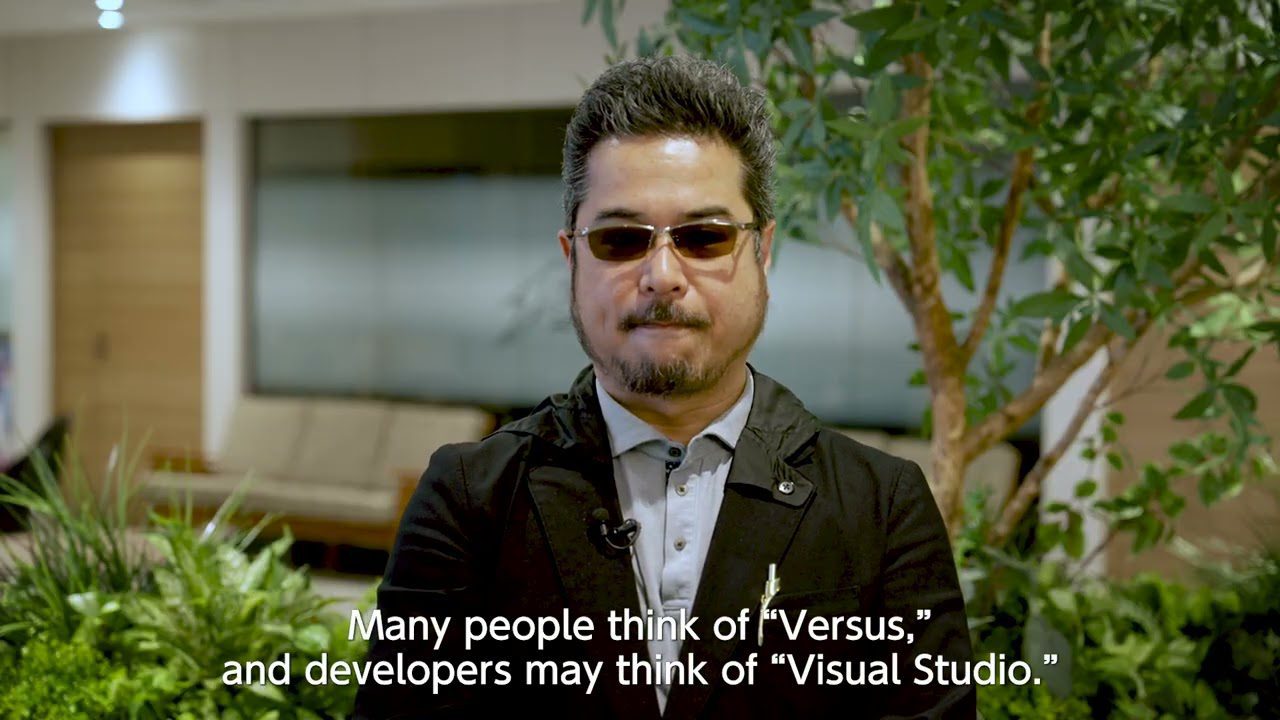
SNK’s surprise alliance with Katsuhiro Harada marks one of the most unexpected—and symbolically loaded—shifts in the modern fighting‑game landscape. What looks on the surface like a simple studio announcement is, in reality, the collision of two legacies that once defined opposite sides of the arcade rivalry. And now, for the first time, they’re building something together.
A New Studio With a Familiar Face
SNK confirmed that it is investing in VS Studio, the newly formed development house led by longtime Tekken steward Katsuhiro Harada. The company intends to support the studio’s launch and ultimately fold it in as a consolidated subsidiary—an unusually strong commitment for a partnership that, in SNK producer Yasuyuki Oda’s own words, has “nothing decided yet.”
That candor is rare in corporate announcements, but it also hints at the real story: this collaboration is built on trust, history, and a shared competitive spirit rather than a pre‑baked production roadmap.
Oda described Harada as “a long‑time friend and a worthy rival,” a sentiment that carries decades of subtext for anyone who lived through the arcade era.
How We Got Here: Harada’s Journey From Tekken to VS Studio
Harada’s entire professional life has been intertwined with Bandai Namco. Since the late 1990s, he became the public face of Tekken, shaping its identity through Tekken 3, Tekken Tag Tournament, Tekken 5, Tekken 7, and beyond. His trademark sunglasses, blunt humor, and fiery presence at tournaments made him as recognizable as the characters he helped create.
But his influence extended far past Mishimas and 10‑hit strings. Harada contributed to Code Vein, Tales of Arise, and other internal Bandai Namco projects, eventually rising to the role of general manager. In 2025, he announced he would leave the company at the end of the year—closing a 30‑year chapter and raising questions about what he would do next.
VS Studio is his answer.
Harada describes the studio’s philosophy as “Beyond tradition, crafted to perfection,” a mission built on blending technology, sensibility, and global expertise. Even the name “VS” carries layered meaning: Video game Soft, Versus, Visionary Standard, Volition Shift, Vanguard Spirit. It’s a manifesto disguised as a logo.
Why SNK? Why Now?
On paper, SNK and Harada come from different worlds. SNK’s legacy is rooted in the Neo Geo era—Fatal Fury, King of Fighters, Samurai Shodown—while Tekken defined the 3D fighting renaissance of the PlayStation generation.
But beneath the surface, the two companies have always shared a competitive camaraderie. Developers crossed paths at tournaments, trade shows, and late‑night industry gatherings. Rivalries were real, but so was mutual respect.
Today, SNK is in a period of reinvention. Its most recent release, Fatal Fury: City of the Wolves, marked a return to one of its oldest franchises. The company is also navigating the scrutiny that comes with its majority ownership by the Mohammed bin Salman Foundation, which has influenced public perception and even character inclusions in recent titles.
Bringing in Harada—someone with global credibility, a proven track record, and a fiercely loyal fanbase—is a strategic move to stabilize and elevate SNK’s development ambitions.
What This Partnership Could Mean for the Fighting Game Genre
The announcement doesn’t confirm a specific project, but the implications are enormous:
- Harada’s expertise in large‑scale, modern fighting‑game production could reshape SNK’s internal pipelines.
- SNK’s legacy in 2D combat and character‑driven design could influence Harada’s new creative direction.
- A future where SNK and VS Studio co‑develop a major fighting title is no longer unthinkable—it’s almost expected.
Even Oda’s “nothing has been decided yet” reads less like uncertainty and more like excitement. The kind of excitement that comes when two rivals finally sit on the same side of the table.
The Road Ahead
Harada says VS Studio aims to create an environment where developers can “perform at their best,” and he’s actively recruiting new talent to build something ambitious. SNK, meanwhile, is positioning itself for a new era—one where its classic identity merges with modern production values and global leadership.
This partnership isn’t just a business deal. It’s a symbolic moment for the fighting‑game community: a bridge between eras, companies, and philosophies.
And whatever emerges from VS Studio and SNK, it will carry the weight—and the promise—of two legacies finally converging.