Katsuhiro Harada’s announcement that he is “no longer a developer/creator of the TEKKEN series” marks one of the most significant turning points in the franchise’s 30‑year history. Delivered on December 31, 2025, his final message closed the book on a career that shaped Tekken from its arcade origins into a global fighting‑game powerhouse. With no clear roadmap for 2026 and beyond, the franchise now stands at a crossroads.
A Legacy Built Over Three Decades
Harada joined Namco in the early 1990s and quickly became one of the defining creative forces behind the Tekken series. His influence can be traced through every major milestone:
- The explosive success of Tekken 3, which cemented the franchise’s identity
- The transition from arcade dominance to console leadership
- The modernization of combat systems in Tekken 5 and Tekken 6
- The global esports revival driven by Tekken 7
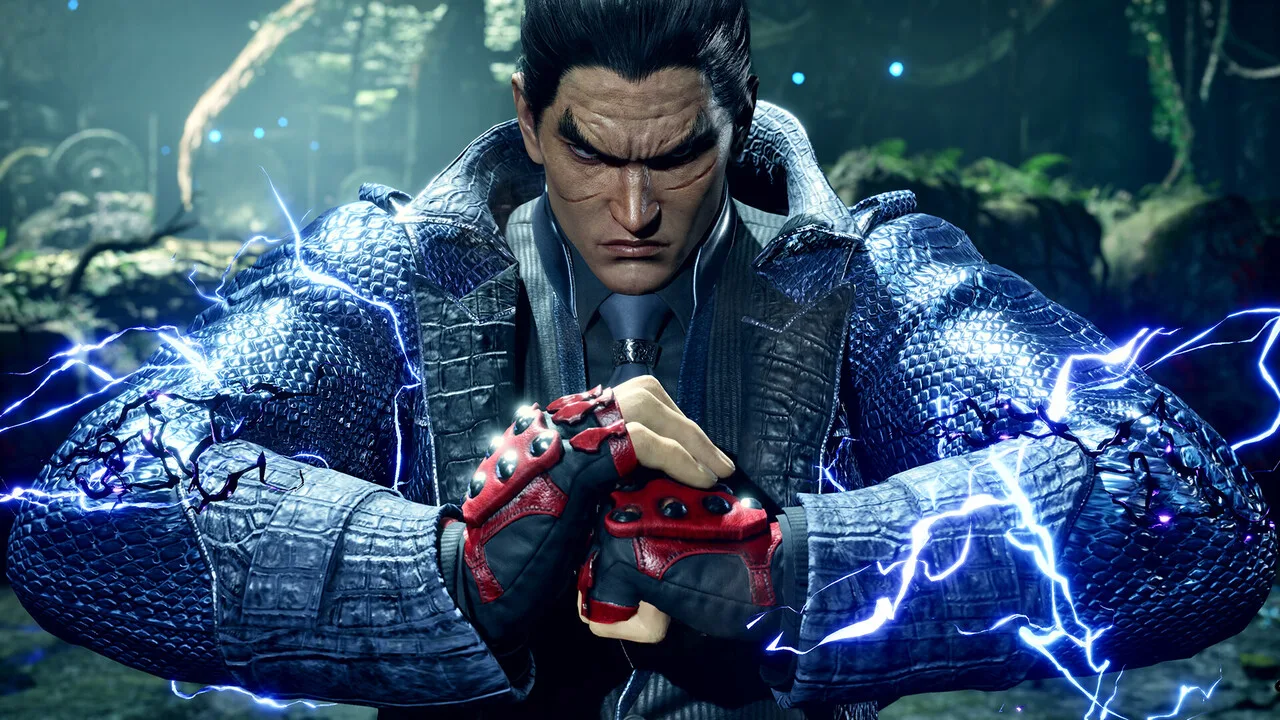
- The cinematic, Unreal Engine‑powered reinvention of Tekken 8
Beyond his production and design work, Harada became the public face of the franchise. His direct communication style, humor, and willingness to engage with fans made him a rare figure in modern game development — a creator who felt inseparable from the brand he represented.
His departure, framed as the symbolic “death” of the Harada_TEKKEN persona, closes a chapter that defined the series for more than three decades.
A Departure With Strategic Implications
Harada’s exit comes at a delicate moment for Bandai Namco. While Tekken 8 launched strongly, the company has not outlined a long‑term content plan, and internal restructuring rumors have circulated since 2024. Several veteran developers have also left the company in recent years, raising questions about the stability of the franchise’s leadership.
The timing of Harada’s departure — immediately after the 30th anniversary — suggests a clean break rather than a gradual transition. No successor has been announced, and no public roadmap exists for 2026 or beyond.
This silence has created a vacuum of uncertainty.
Potential Repercussions for Tekken and Tekken 8
1. A Shift in Post‑Launch Support
Tekken 8’s future content cadence is now unclear. Without Harada’s leadership, Bandai Namco may:
- Reduce the frequency of DLC characters
- Reevaluate esports investment
- Pivot toward smaller seasonal updates
- Slow or pause balance patches during internal restructuring
The direction of the game’s ongoing support will depend heavily on whoever assumes creative control.
2. A Possible Creative Reboot
Harada’s departure opens the door to significant changes in Tekken’s identity. The next leadership team could:
- Continue the Mishima‑centric storyline
- Shift focus to a new generation of fighters
- Reboot the narrative entirely
- Introduce new gameplay systems or accessibility features
A reboot is not guaranteed, but the likelihood has increased.
3. Esports Instability
Harada was instrumental in building Tekken’s competitive ecosystem. His absence may lead to:
- Fewer official tournaments
- Reduced prize pools
- Greater reliance on community‑run events
- Slower communication between developers and pro players
The Tekken World Tour 2026 remains unannounced, raising concerns within the competitive scene.
4. Leadership Uncertainty
The identity of Tekken’s next creative lead will shape the franchise for years to come. Without a clear successor, the series risks:
- Fragmented decision‑making
- A shift toward corporate‑driven design
- Loss of the franchise’s distinct personality
The next director will define Tekken’s tone, priorities, and long‑term vision.
5. Delays to the Next Mainline Entry
Even if early pre‑production on the next Tekken title has begun, leadership changes often trigger:
- Project resets
- Vision realignment
- Budget reevaluation
- Extended development timelines
A release window closer to 2028–2030 is now more realistic.
A Community in Mourning — and Transition
The fighting‑game community has responded with a mix of gratitude and apprehension. Harada’s presence was a constant across generations of players, and his departure represents more than a staffing change — it is the end of a cultural era within the genre.
Yet the franchise remains strong. Tekken 8 demonstrated that the series still commands global attention, and Bandai Namco is unlikely to abandon one of its most valuable properties.
The challenge now lies in navigating the transition with clarity and respect for the community that has sustained the franchise for three decades.
Harada’s departure does not signal the end of Tekken, but it does mark the beginning of a new and uncertain chapter. Bandai Namco must now define the franchise’s future by:
- Announcing a clear successor
- Communicating Tekken 8’s long‑term support plan
- Reassuring the esports community
- Outlining a vision for the next era of the series
Until these steps are taken, Tekken remains in a state of limbo — a legendary franchise awaiting its next guiding voice.