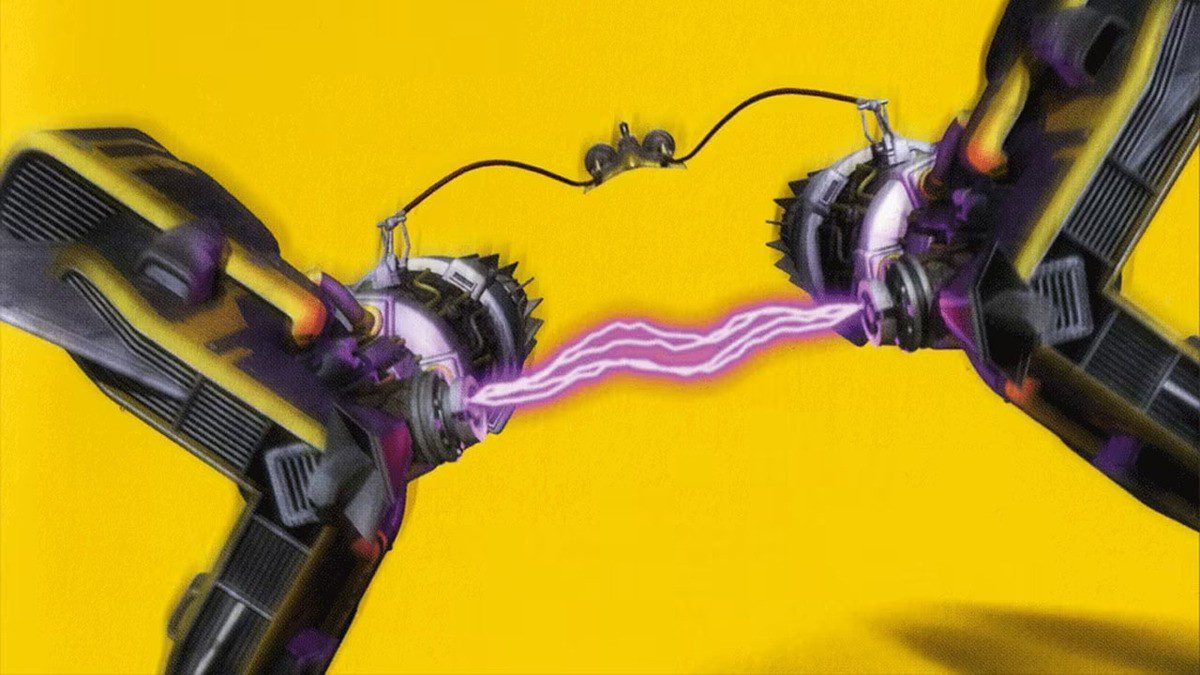
Every once in a while, the gaming world gets hit with a story so strange that it feels like urban legend. This week delivered exactly that. A PS2-era title—Star Wars Racer Revenge—suddenly exploded in price after rumors circulated that the game was somehow tied to a new PlayStation 5 jailbreak method.
A title that normally sells for around fifty bucks is now being listed for five hundred. And all of it stems from a single claim: that the PS5’s latest alleged exploit only works when using a physical copy of this specific game.
Whether the exploit is real or just another internet myth, the reaction says everything about the current state of console security, collector culture, and Sony’s long, complicated history with the modding community.
A Rumor, a Rare Disc, and a Market Gone Wild
The report from Insider Gaming described a supposed vulnerability involving the PS5’s disc authentication system—specifically the backward‑compatibility layer used for older titles. The idea that a nearly forgotten PS2 game could be the key to unlocking Sony’s most secure console yet was enough to send collectors, scalpers, and curious modders into a frenzy.
The result was immediate: listings shot up, prices skyrocketed, and a game with a tiny print run suddenly became the hottest item on eBay. Even without confirmation, the rumor alone was enough to distort the market overnight.
This isn’t new behavior. Whenever whispers of an exploit surface, the community reacts instantly. But the scale of this spike shows just how hungry people are for any crack in the PS5’s armor.
Sony’s Long War With the Jailbreak Scene
To understand why this story blew up so quickly, you have to look at Sony’s history. Few companies have fought harder—or more publicly—against the modding and jailbreak community.
The PS2 era was defined by modchips. They were everywhere, and Sony spent years trying to shut them down. The console’s architecture was open enough that modding became almost casual, and the company learned the hard way how quickly control can slip away.
Then came the PS3, which Sony famously declared “unhackable.” That confidence didn’t last. When the Fail0verflow team uncovered a critical cryptographic mistake, the entire security model collapsed. Custom firmware spread like wildfire, and Sony’s aggressive legal battle with GeoHot became one of the most infamous moments in gaming history.
The PS4 tightened things up, but not enough. Exploits emerged slowly but steadily, and by the end of its lifecycle, jailbreaks were common.
The PS5, however, has been a different story. Sony hardened the system from top to bottom, and while small vulnerabilities have appeared, nothing mainstream has broken through. That’s why the Racer Revenge rumor hit with such force. Even the possibility of a disc‑based exploit feels like a throwback to an era Sony hoped it had left behind.
Why These Price Surges Happen
Whenever a game becomes associated with a jailbreak entry point—real or imagined—the market reacts instantly. Scarcity fuels speculation, speculation fuels panic buying, and suddenly a forgotten title becomes a high‑value collectible.
It’s not just about hacking. It’s about the thrill of being early, the fear of missing out, and the belief that a single disc might unlock something forbidden. Even if the exploit turns out to be exaggerated or completely fake, the hype alone is enough to distort prices for weeks.
What This Means for Sony—and for the Community
If the exploit is real, Sony will move quickly. Their patch cycles are fast, and their legal team is even faster. But even if the rumor fizzles out, the situation highlights a deeper truth: the modding community never stops looking, and Sony never stops defending.
This tug‑of‑war has shaped PlayStation hardware for decades. It influences firmware updates, hardware revisions, and even the way Sony communicates with the public. Every rumor, every exploit, every spike in a forgotten game’s price is part of that ongoing story.
And in a strange way, that’s what makes this moment so fascinating. It’s not just about Racer Revenge. It’s about the culture surrounding console security, the mythology of exploits, and the unpredictable ways the gaming world reacts when nostalgia, scarcity, and hacking collide.