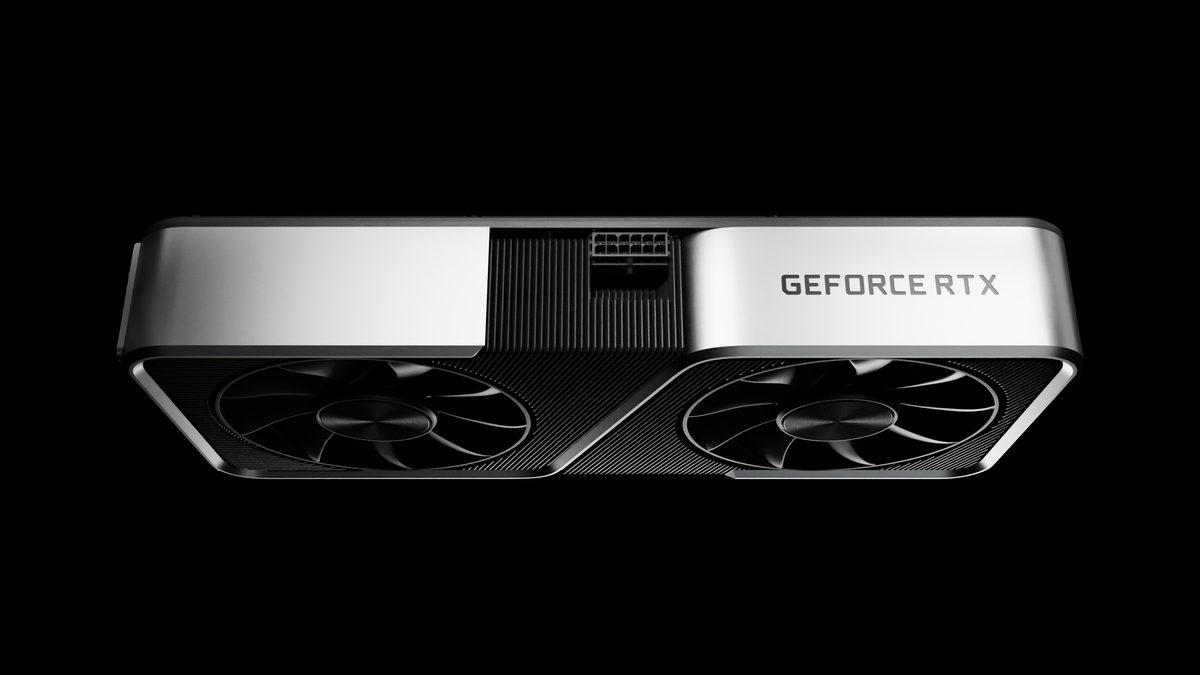
NVIDIA is preparing an unexpected move for early 2026: the return of the GeForce RTX 3060, one of the most popular GPUs of the last decade. According to multiple reports, the company plans to restart production of the card in Q1 2026 as a direct response to the worsening global DRAM shortage that has severely constrained supply of current‑generation GPUs.
This decision—unusual for a company that typically pushes forward rather than backward—reveals just how strained the GPU and memory markets have become. To understand why the RTX 3060 is coming back, we need to look at the roots of the crisis, how it escalated, and what the next year might look like for consumers and manufacturers.
Why the RTX 3060? A Strategic Throwback
The RTX 3060 originally launched in 2021 and quickly became the most widely used GPU on Steam, thanks to its balance of price, performance, and efficiency. NVIDIA discontinued the card in 2024, with remaining inventory selling through 2025.
But the current memory shortage has made manufacturing newer GPUs—especially the RTX 4060 and 5060—significantly more difficult. These cards rely on newer GDDR6 and GDDR6X modules, which are now in critically short supply due to skyrocketing demand from AI data centers and enterprise accelerators.
The RTX 3060, however, uses older, easier‑to‑source memory modules. That makes it the perfect “relief valve” GPU: a card NVIDIA can produce without competing directly with its own AI division for scarce DRAM.
In other words, the RTX 3060 is coming back not because NVIDIA wants to—but because it can.
The Backstory: How the 2025–2026 Memory Crisis Happened
The current shortage didn’t appear overnight. It’s the result of several converging industry pressures starting specifically with the AI Compute demands exploding out of nowhere (in some cases).
The biggest factor is the global surge in AI training and inference hardware. Hyperscalers like Microsoft, Amazon, Google, and Meta have been buying GPUs and high‑bandwidth memory (HBM) at unprecedented levels.
This has created a supply vacuum:
- AI accelerators require massive amounts of DRAM and HBM.
- Manufacturers like Samsung, SK Hynix, and Micron shifted production toward HBM because it has higher profit margins.
- Consumer‑grade GDDR6/GDDR6X production was deprioritized.
As Insider Gaming notes, the GPU market has been suffering from a memory shortage “ever since AI has blown up worldwide”.
Meanwhile, after the 2022–2023 downturn in PC sales, memory manufacturers reduced output to avoid oversupply. When demand suddenly spiked again in 2024–2025, fabs couldn’t ramp up fast enough.
DRAM production cycles are long:
- Building new fabs takes years.
- Switching production lines from one memory type to another is slow and expensive.
- HBM demand is absorbing most new capacity.
This created a bottleneck that hit consumer GPUs the hardest since NVIDIA makes far more profit selling AI accelerators like the H100, H200, and upcoming B-series chips. These products use enormous amounts of memory and generate exponentially more revenue per unit than gaming GPUs.
As a result:
- Consumer GPU production was deprioritized.
- Even NVIDIA’s partners struggled to secure memory for mid‑range cards.
- Prices for new GPUs began rising sharply in late 2025.
TechSpot reports that the memory shortage has “plunged the industry into turmoil,” with even warehouse inventory of older GPUs fully depleted by December 2025.
Why the Shortage Hit GPUs So Hard
GPUs are uniquely vulnerable because they rely on:
- High‑speed GDDR6/GDDR6X memory
- Large quantities of VRAM per card
- Tight supply chains involving multiple vendors
When DRAM supply tightens, GPU production is one of the first sectors to feel the impact.
Even NVIDIA’s own enterprise customers have been “left stranded” by the shortage, according to Times of Games.
Forecast: When Will Things Return to Normal?
Let’s break down the realistic timeline.
Short Term (Q1–Q3 2026): Continued Shortages, Higher Prices
Expect:
- Limited availability of RTX 4060/5060 cards
- Higher retail prices for mid‑range GPUs
- Increased reliance on older models like the RTX 3060
- AI hardware continuing to dominate DRAM allocation
NVIDIA’s reintroduction of the RTX 3060 is a stopgap—not a solution.
Medium Term (Late 2026–2027): Gradual Stabilization
Several factors will help ease the crisis:
- New DRAM fabs from Samsung, Micron, and SK Hynix coming online
- Expanded HBM production reducing pressure on GDDR supply
- AI hardware demand normalizing as companies optimize workloads
- Next‑gen GPU architectures shifting to more efficient memory designs
By late 2026, we should see:
- Better availability of mid‑range GPUs
- More predictable pricing
- Reduced reliance on older models
Long Term (2027 and Beyond): Market Normalization
By 2027:
- DRAM supply should fully catch up
- GPU pricing should stabilize
- AI hardware demand will plateau
- New memory technologies (GDDR7, HBM4) will diversify supply chains
The industry will likely adopt more resilient production strategies to avoid repeating the 2025–2026 crisis.
Conclusion: The RTX 3060’s Comeback Is a Sign of the Times
NVIDIA’s decision to revive the RTX 3060 is both a clever workaround and a clear indicator of how strained the GPU market has become. The card’s return is a temporary measure designed to keep the consumer market alive while the industry navigates one of the most severe memory shortages in modern history.
Gamers looking for affordable GPUs in 2026 will likely welcome the move—but it also highlights a deeper issue: AI’s explosive growth has reshaped the entire semiconductor landscape, and the ripple effects will be felt for years.
If you’re planning a GPU upgrade, patience may pay off. The market will stabilize—but not immediately.