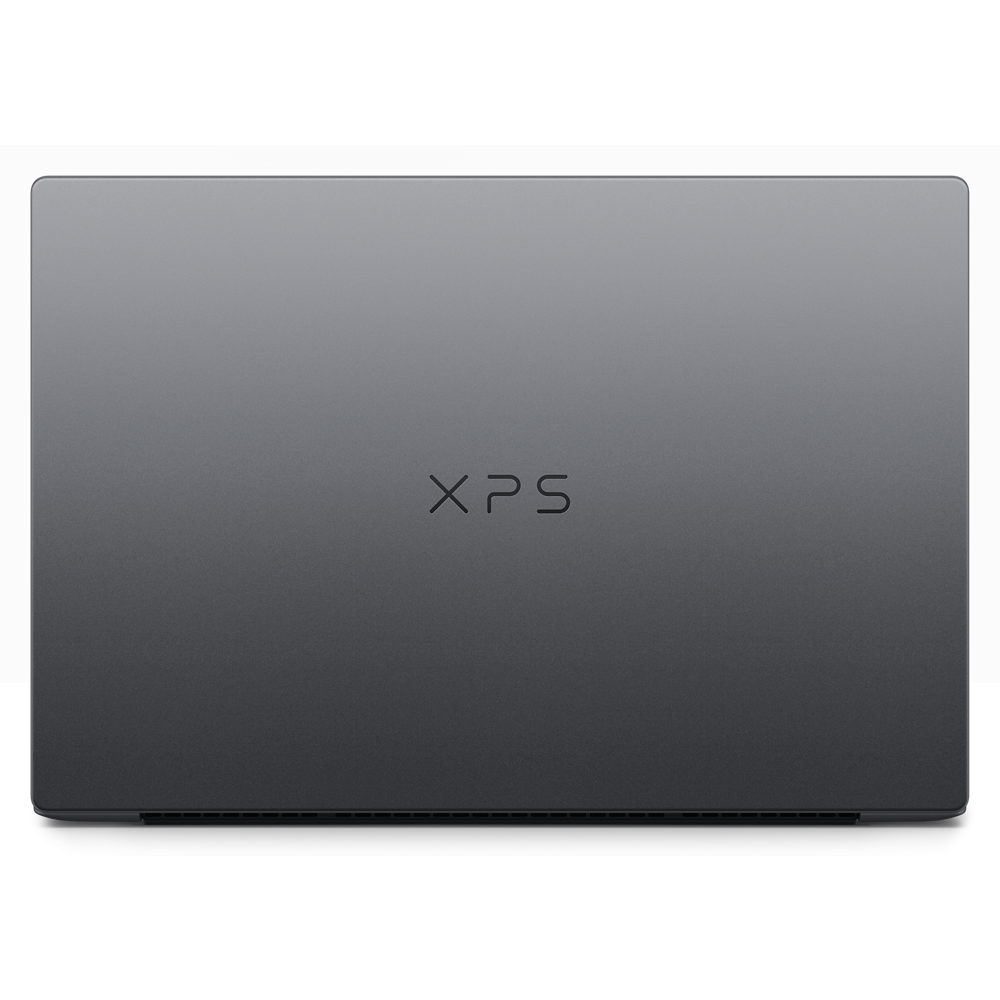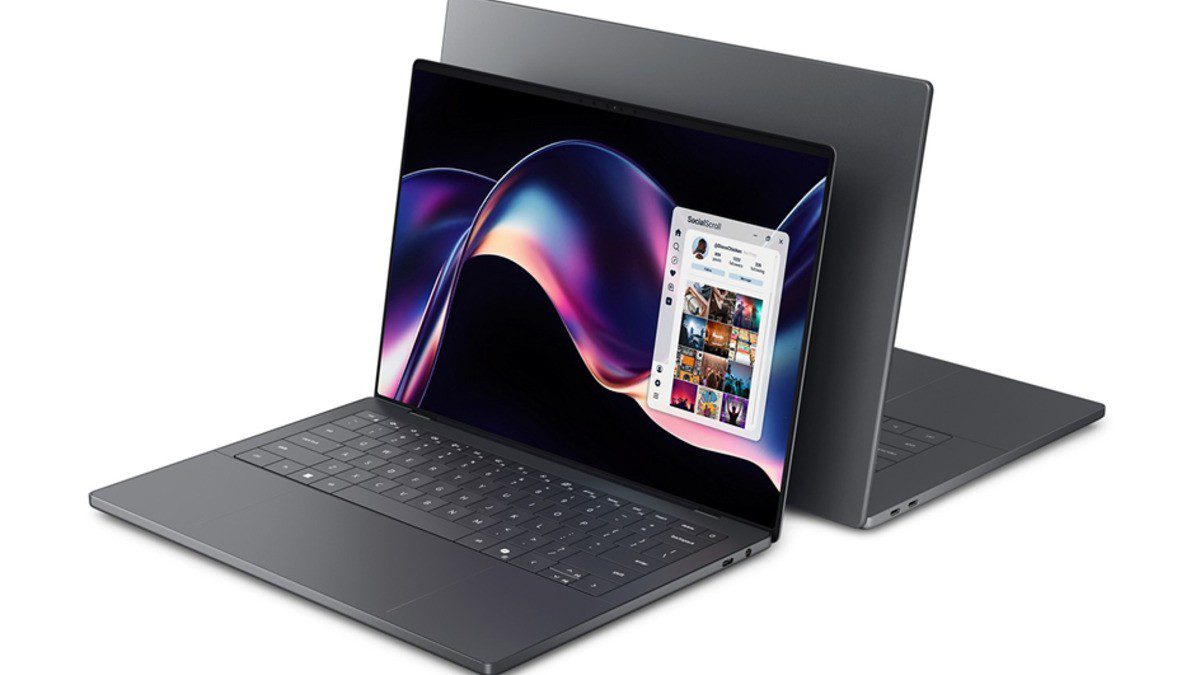
Dell is officially bringing back the XPS 13, XPS 14, and XPS 16 at CES 2026, marking a surprising reversal after the company attempted to streamline its laptop lineup last year. The Verge reports that Dell is “eating humble pie” as it restores the XPS branding following widespread criticism of its simplified, generational naming scheme. But while the return of the XPS name is a nostalgic win for longtime fans, the 2026 lineup signals a very different mission than the one that made XPS a legend among PC gamers.
A Brand Once Synonymous With PC Gaming Power
Before Alienware became Dell’s flagship gaming identity, the XPS line was the performance laptop for PC enthusiasts. In the mid‑2000s, models like the XPS M1710, XPS M1730, and the early Studio XPS series were status symbols—massive, glowing, unapologetically powerful machines that pushed the limits of mobile GPUs at the time.
For many gamers, XPS was the gateway into high‑end PC gaming without building a desktop. The brand carried a reputation for:
- Top‑tier NVIDIA GPUs that rivaled desktop performance
- Aggressive cooling designs (for the era)
- Premium materials that made the laptops feel futuristic
- Customization options that appealed to enthusiasts
In the pre‑Alienware‑acquisition years, XPS was Dell’s answer to the growing demand for portable gaming rigs. Even after Alienware joined the family, XPS remained a performance‑first line—sleek, but still capable of handling modern games.
That legacy is why the XPS name still carries emotional weight among gamers today.
The 2026 XPS Lineup: A Return to the Name, Not the Mission
The newly announced XPS 13, 14, and 16 bring back the familiar branding, but Dell’s strategy has shifted. According to The Verge’s reporting, the company is focusing on premium design, portability, and productivity, not gaming performance.
This year’s models emphasize:
- Slimmer profiles
- Refined aesthetics
- Improved thermals for everyday workloads
- High‑resolution displays and creator‑focused features
What’s missing?
The kind of high‑wattage GPUs and thermal headroom that defined the XPS gaming era.
Even the XPS 16—traditionally the “performance” model—appears aimed more at creative professionals and power users than gamers. Dell already has Alienware for that segment, and the company seems intent on keeping the brands clearly separated.
Why Dell Needed the XPS Name Back
Dell’s attempt to replace the XPS brand with a generational naming system in 2024–2025 was meant to simplify the lineup. Instead, it created confusion. Consumers didn’t know which model replaced which, reviewers criticized the lack of clarity, and longtime XPS fans felt the identity of the product line had been erased.
Bringing back the XPS name is an acknowledgment that:
- Brand equity matters
- XPS still resonates with buyers
- Simplification isn’t always better
But Dell is also being careful not to reignite expectations that XPS will return to its gaming roots.
A Nostalgic Name for a New Audience
The 2026 XPS lineup is a reminder that brands evolve. The XPS name may have been born in the gaming trenches, but today it represents something different: premium ultrabooks, creator‑friendly machines, and high‑end productivity laptops.
Gamers who remember the M1710 glory days may feel a twinge of nostalgia seeing the XPS name return. But Dell’s message is clear—this revival is about identity, not gaming performance.
The XPS brand is back, but the gaming crown remains firmly with Alienware.
As for Alienware

While Dell’s XPS revival focuses on design, portability, and creator‑class performance, Alienware used CES 2026 to double down on its identity as Dell’s dedicated gaming powerhouse. The company teased a major portfolio expansion, highlighted by new anti‑glare OLED panels, next‑generation silicon, and a broader range of form factors aimed at both competitive and enthusiast gamers.
Even without the full details from the teaser site, Alienware’s CES messaging is unmistakable:
If you want gaming, you buy Alienware — not XPS.
Anti‑Glare OLED: Solving the Gamer’s Biggest Complaint
OLED has long been the dream display technology for gamers — perfect blacks, instant response times, and unmatched contrast. But glossy OLED panels have been a persistent frustration for players who game in bright rooms or use their laptops for hybrid work.
Alienware’s new anti‑glare OLED initiative directly addresses that problem.
The company is positioning this technology as:
- A major upgrade for competitive gamers who need clarity in all lighting conditions
- A creator‑friendly improvement for users who edit video or color‑grade on the same machine
- A differentiator from other gaming brands still relying on glossy OLED or mini‑LED
This move also reinforces Alienware’s strategy of pushing display innovation ahead of the broader market — something XPS used to be known for in its gaming era.
New Silicon: Preparing for the Next Wave of High‑Performance Gaming
Alienware also teased systems powered by new CPU and GPU silicon, likely referencing upcoming next‑gen mobile chips from Intel, AMD, and NVIDIA. While details remain under wraps, the messaging suggests:
- Higher‑wattage GPU configurations
- Improved cooling systems to support sustained performance
- AI‑accelerated features for both gaming and content creation
- A broader range of performance tiers to reach more price points
This aligns with Alienware’s recent strategy of offering both flagship machines and more accessible models without diluting the brand’s premium identity.
A Growing Portfolio: More Sizes, More Choices, More Gaming
Alienware hinted at expanding its lineup beyond the traditional 15‑ and 17‑inch gaming laptops. CES 2026 teasers suggest:
- A new thin‑and‑light performance model
- A refreshed desktop replacement class system
- Potentially a new form factor, such as a handheld or hybrid device
This expansion is a direct response to the booming diversity of gaming hardware — from portable PCs to creator‑focused rigs — and positions Alienware as a full‑spectrum gaming ecosystem rather than just a laptop brand.
XPS and Alienware: Two Brands, Two Missions
The contrast between Dell’s two announcements at CES 2026 couldn’t be clearer:
| Brand | 2026 Focus | Target Audience | Legacy |
|---|---|---|---|
| XPS | Premium design, portability, creator workflows | Professionals, students, creators | Once a gaming icon, now a productivity flagship |
| Alienware | High‑performance gaming, display innovation, next‑gen silicon | Gamers, enthusiasts, esports players | Dell’s modern gaming identity |
Dell is intentionally drawing a line between the two brands:
- XPS is no longer the gaming machine it once was.
- Alienware is now the undisputed home for high‑end gaming hardware.
For longtime PC enthusiasts, this is a symbolic passing of the torch. XPS may have been the gaming hero of the 2000s, but Alienware is the face of gaming in 2026.
Final Takeaway
Dell’s revival of the XPS brand is a win for clarity and nostalgia — but not a return to the gaming roots that defined the early XPS era. Instead, Dell is using CES 2026 to reinforce a clean division:
- XPS = premium productivity and creator laptops
- Alienware = gaming innovation and performance leadership
For gamers, the message is simple:
If you want power, thermals, and cutting‑edge displays, Alienware is where Dell is investing its gaming muscle.