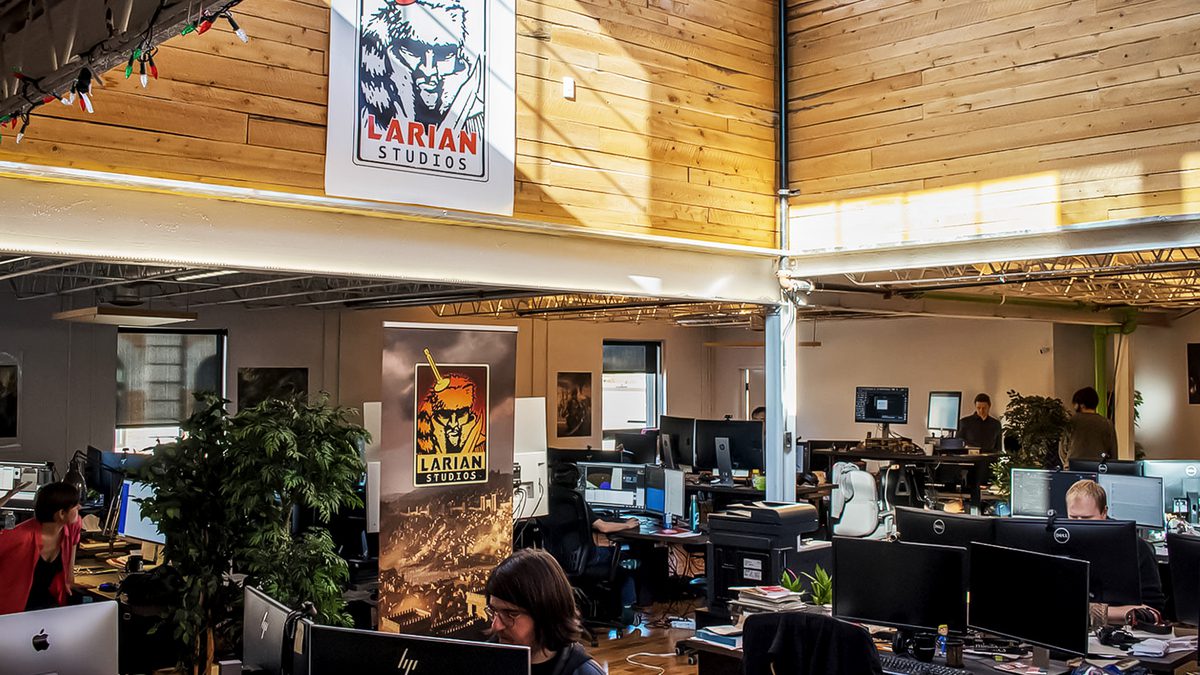
Larian Studios found itself at the center of two separate industry conversations this week, each touching on a different pressure point in modern game development: the role of generative AI in creative production, and the increasingly complex politics of platform availability. Together, the stories paint a picture of a studio navigating both technological change and the realities of a shifting hardware landscape.
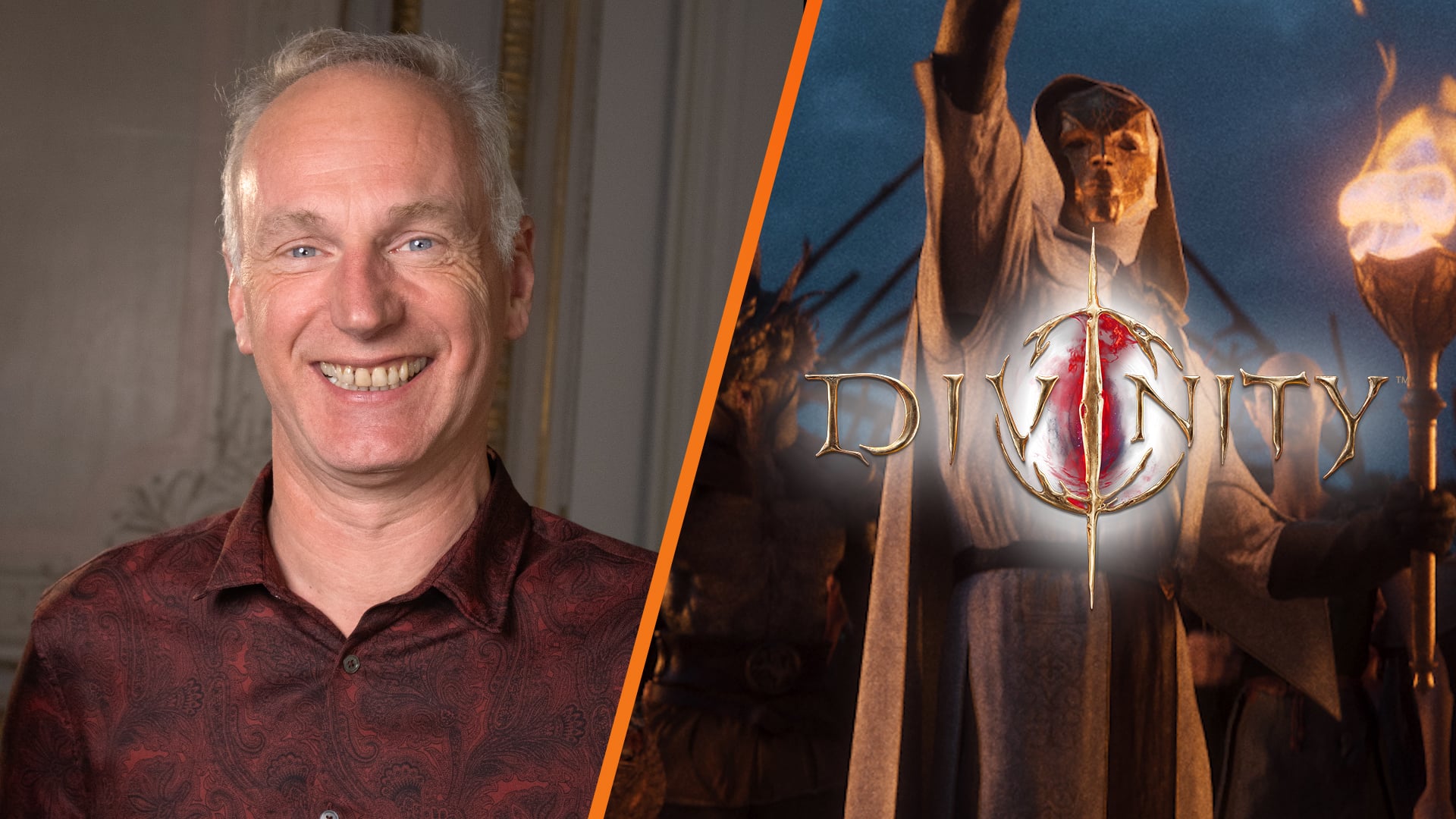
The first discussion emerged after fans noticed that early concept materials for Larian’s next Divinity project included experiments with generative AI. The studio quickly moved to clarify the situation, emphasizing that while AI tools had been tested during pre-production, they would not be used for final concept art or narrative content. According to Larian, the experiments were exploratory rather than indicative of a new creative direction.
The studio stressed that its worlds, characters, and visual identity remain firmly rooted in human craftsmanship. AI, they explained, may still play a role in areas that support development rather than define it—tasks such as internal documentation, pipeline optimization, or automated testing. But when it comes to the heart of the Divinity universe, Larian reiterated that its artists and writers remain the driving force. The clarification was met with relief from fans who associate the studio’s success with its meticulous, human-centered approach to storytelling.
Baldur’s Gate 3 for Nintendo Switch 2’s fate is not on Larian Studios’s hands
While Larian was addressing concerns about AI, another topic resurfaced: the absence of Baldur’s Gate 3 from Nintendo’s upcoming Switch 2 lineup. In a recent interview, CEO Swen Vincke explained that the decision not to bring the award-winning RPG to Nintendo’s next console did not originate from Larian itself. His comments suggested that external factors—whether licensing constraints, platform strategy, or other business considerations—ultimately prevented the game from moving forward on the new hardware.
Via NateTheHate2
Vincke did not elaborate on the specifics, but his remarks hinted at a situation where Larian’s enthusiasm alone wasn’t enough to secure a release. Given the game’s strong performance on Steam Deck and PlayStation 5, technical limitations seem an unlikely culprit. Instead, the decision appears rooted in the complex negotiations that often shape where major titles can and cannot appear.
For fans hoping to take Baldur’s Gate 3 on the go with Nintendo’s next device, the message was clear: the door wasn’t closed by Larian, but it isn’t opening anytime soon either.
Taken together, these two stories highlight a studio that remains committed to transparency even as it navigates forces beyond its control. Larian continues to position itself as a developer that values creative integrity, open communication, and a strong relationship with its community. Whether addressing the future of AI in game development or the business realities of platform releases, the studio’s message remains consistent: its priorities lie with the quality of its work and the trust of its players.