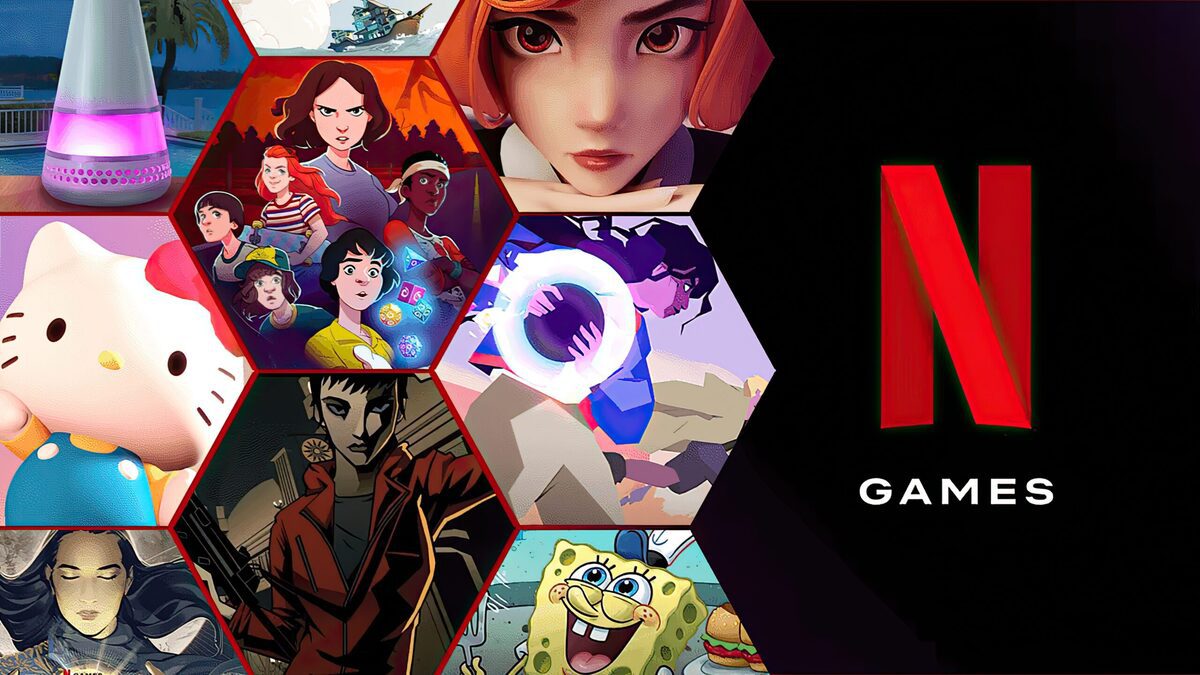
Netflix entered 2026 with a message that was both confident and candid: cloud gaming is no longer an experiment for the company — it is a strategic priority. Yet even as co‑CEO Greg Peters emphasized the momentum behind Netflix’s gaming division, he also acknowledged the obvious truth that has hovered over the initiative since its inception: the company still has a long way to go before cloud gaming becomes a meaningful pillar of its business.
The tone of the Q4 2025 earnings interview, streamed live on YouTube through Netflix Investor Relations, reflected a company eager to demonstrate progress while managing expectations. Peters’ remarks, later echoed in reporting from GamesIndustry.biz, painted a picture of a platform that is growing, but still in its early stages — a platform that has found traction in unexpected places, and one that is now preparing for a more aggressive push into living‑room gaming.
A Third of Netflix Households Are Now Cloud‑Gaming Ready
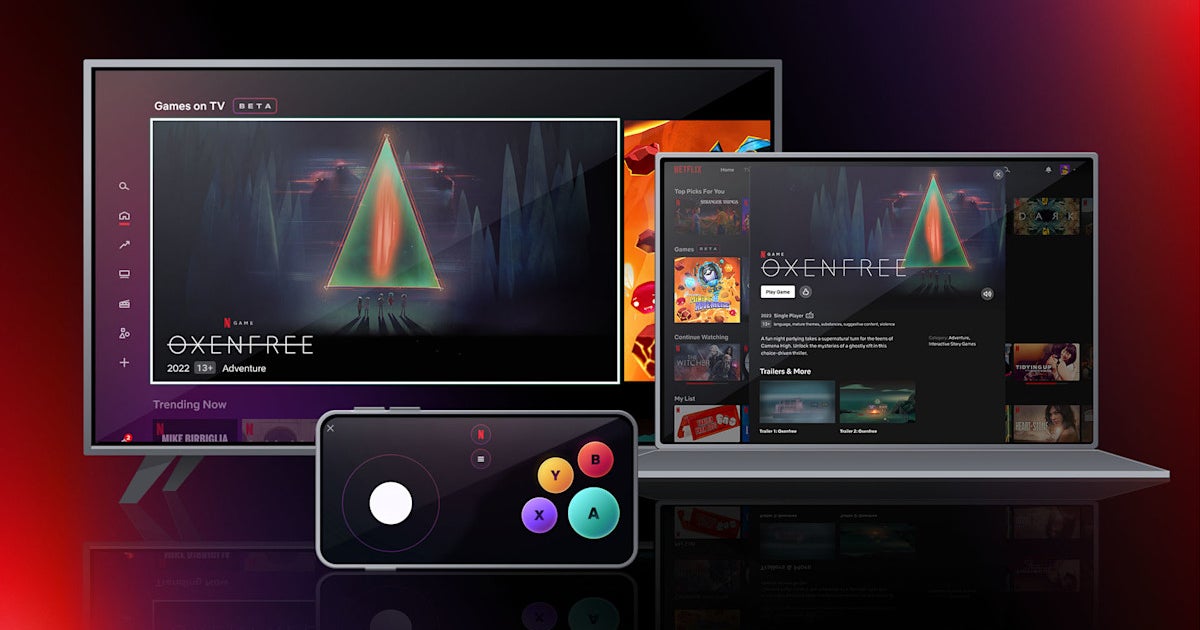
One of the most revealing data points came from Peters’ breakdown of Netflix’s TV‑based gaming rollout. Roughly one‑third of Netflix’s global membership now has access to cloud‑streamed games on their televisions. This milestone wasn’t achieved through a single switch flip, but through a long, ongoing process of upgrading Netflix’s TV clients and ensuring that the wide variety of smart TVs, sticks, and set‑top boxes can actually handle low‑latency game streaming.
The company’s internal telemetry shows that once users gain access to TV‑based gaming, engagement rises sharply — especially with party‑style titles. Peters highlighted the strong performance of games like Boggle, Pictionary, and LEGO Party!, which collectively saw a significant engagement spike following the launch of Netflix’s Party Pack initiative. While the reach remains modest at around 10% of eligible members, the growth curve is steep enough that Netflix sees this category as its clearest path to mainstream adoption.
The Party Game Strategy: Low Friction, High Engagement
Netflix’s gaming strategy has always been unconventional compared to traditional publishers. Instead of chasing blockbuster exclusives or high‑budget prestige titles, the company has leaned into accessibility — games that require no console, no controller, and no learning curve. The Q4 earnings interview reinforced this philosophy, with Peters repeatedly emphasizing “couch co‑op” and “party‑friendly” experiences as the company’s strongest early wins.
This approach is not accidental. Netflix’s internal data shows that households are far more likely to try a game if it can be launched instantly from the TV app and played with a phone as a controller. The frictionless nature of cloud delivery aligns with Netflix’s core strength: convenience. And while hardcore gamers may not be the target audience today, the company is betting that the living room — not the smartphone — will be the real battleground for cloud gaming adoption.
Performance Signals: What the Data Suggests About Netflix’s Gaming Future
Although Netflix did not disclose granular performance metrics during the livestream, the qualitative signals were clear. Engagement with TV‑based games is rising faster than mobile‑only titles, and the company sees cloud streaming as the key to unlocking deeper, more frequent play sessions. The fact that Netflix cited Red Dead Redemption as a standout performer in its traditional downloadable catalog underscores the potential of premium content — but also the limitations of relying solely on mobile distribution.
Cloud gaming, by contrast, gives Netflix the ability to deliver console‑class experiences without requiring console‑class hardware. The company’s infrastructure investments throughout 2024 and 2025 — including expanded edge computing capacity and improved adaptive streaming — are now beginning to show results. Latency has dropped in several major markets, and Netflix’s internal benchmarks reportedly show a measurable improvement in input responsiveness on newer TV clients.
Still, Peters’ honesty about the remaining challenges was refreshing. “We’re just scratching the surface,” he said, acknowledging that the rollout is still early and that the company must continue refining both technology and content pipelines. The message was clear: Netflix is committed, but not complacent.
The Road Ahead: A Platform Still Taking Shape
What makes Netflix’s gaming strategy compelling is not its current scale, but its trajectory. The company is positioning itself not as a competitor to PlayStation or Xbox, but as a new kind of gaming platform — one that lives inside a subscription people already use daily. The Q4 2025 interview hinted at a future where Netflix’s gaming catalog becomes as integral to the service as its original series, with cloud streaming acting as the bridge between casual experimentation and sustained engagement.
The next phase of the rollout will likely focus on expanding TV compatibility, improving controller support, and introducing more party‑oriented titles that can scale across households. Netflix’s leadership knows that the long‑term success of cloud gaming depends on reliability, simplicity, and content that feels native to the platform rather than ported from elsewhere.
For now, the company is celebrating early wins while acknowledging the distance still ahead. Cloud gaming is no longer a side project — it is a strategic bet. And if Netflix’s data continues trending upward, that bet may eventually reshape how millions of households think about gaming.