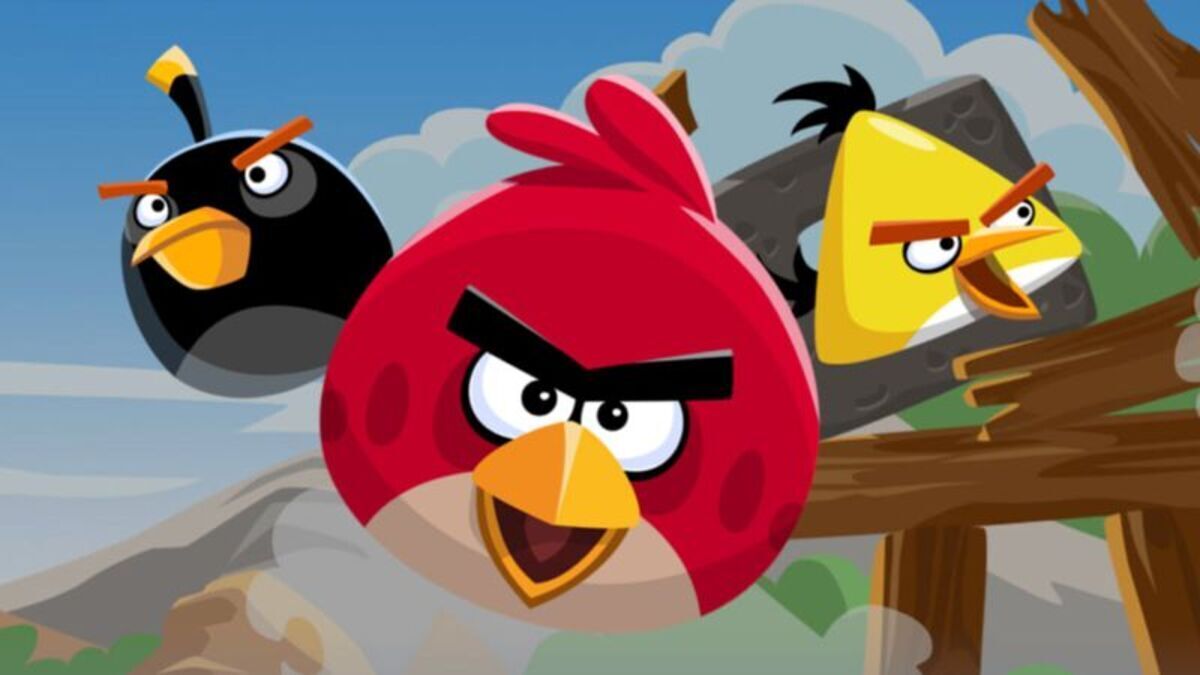
Sega Sammy’s latest financial results reveal a sobering milestone in the company’s push into mobile gaming: a massive impairment loss of approximately $198.6 million tied to Rovio, the Angry Birds developer Sega acquired in 2023 for $776 million. The write‑down, recorded during Q3 of the fiscal year ending December 2025, underscores how dramatically the mobile landscape has shifted—and how quickly Sega’s expectations for Rovio unraveled.
A Deal Built on High Hopes
When Sega purchased Rovio, the strategy was clear: leverage Rovio’s mobile expertise to expand Sega’s global footprint in the mobile market. Rovio’s operational strength, live‑ops experience, and the enduring Angry Birds brand were expected to accelerate Sega’s mobile growth. But according to Sega, Rovio “found it difficult to advance its initially planned business development,” and the profitability of the business “fell below the initial forecast.”
The company cited rapid changes in the mobile market, intensifying competition, and the emergence of major titles as key factors that derailed Rovio’s performance. Sega described Rovio’s Q3 results as “sluggish,” falling significantly short of expectations.
The Numbers Behind the Hit
Sega Sammy’s financial report for the nine months ending December 31, 2025, paints a broader picture of strain across the company:
- Operating income dropped 54.6% year‑over‑year to ¥19.8 billion.
- Ordinary income fell 51.8% to ¥23.8 billion.
- The Entertainment Contents segment—home to Sega’s gaming business—saw operating income fall 31% and ordinary income fall 34%.
New full‑game and free‑to‑play releases underperformed, while existing F2P titles held steady. Sonic Rumble, one of Sega’s key Q3 launches, struggled particularly with customer acquisition.
After reviewing Rovio’s deteriorating outlook, Sega concluded that the “recoverable amount” of Rovio’s assets had fallen far below their carrying value, triggering the ¥30.4 billion (roughly $198.6 million) impairment loss.
A Market That Changed Faster Than Sega Expected
The mobile gaming sector has undergone rapid transformation since 2023. Privacy‑driven ad‑tracking restrictions, rising user acquisition costs, and a flood of high‑budget mobile titles have reshaped the competitive landscape. Sega’s own filings acknowledge that the market “rapidly changed in a short time,” undermining Rovio’s ability to deliver on its projected growth.
This isn’t an isolated issue. Sega Sammy also warned of additional impairment losses tied to other subsidiaries, including Stakelogic B.V., due to regulatory pressures in Europe.
Sega’s Response: Refocus, Restructure, and Reinforce
In the wake of the write‑down, Sega is pivoting toward a more conservative strategy:
- Prioritizing “mainstay IPs” for future development
- Strengthening transmedia initiatives
- Enhancing sales capabilities to maximize each title’s performance
- Appointing Daniel Svärd—formerly of King—as Rovio’s new COO to stabilize operations and improve live‑ops performance
Rovio, for its part, aims to leverage expertise from the Candy Crush ecosystem to improve existing titles and guide new projects.
Will This Trigger Delays for Sega’s Upcoming Games?
While Sega has not explicitly announced delays tied to the impairment, the financial and operational signals suggest a heightened focus on risk management. Historically, major write‑downs often lead companies to:
- Re‑evaluate in‑development projects
- Reduce budgets for experimental or unproven titles
- Consolidate teams and pipelines
- Prioritize franchises with predictable returns
Given Sega’s stated shift toward “mainstay IPs” and its downward revision of operating income forecasts—from ¥53 billion to ¥40 billion—there is a realistic possibility that some planned titles or mobile initiatives could face slower development cycles or internal reprioritization.
This doesn’t guarantee delays, but the financial pressure and strategic pivot make schedule adjustments more likely than not, especially for mobile projects originally intended to be accelerated through Rovio.
The Bigger Picture
Sega’s Rovio impairment is more than a financial footnote—it’s a cautionary tale about the volatility of the mobile market and the risks of high‑priced acquisitions in a rapidly shifting ecosystem. What was once seen as a bold expansion into mobile now stands as a reminder that even established brands like Angry Birds are not immune to industry turbulence.
Sega’s next moves—particularly how it restructures Rovio and how aggressively it leans into its core IPs—will determine whether this write‑down becomes a temporary setback or a long‑term strategic turning point.