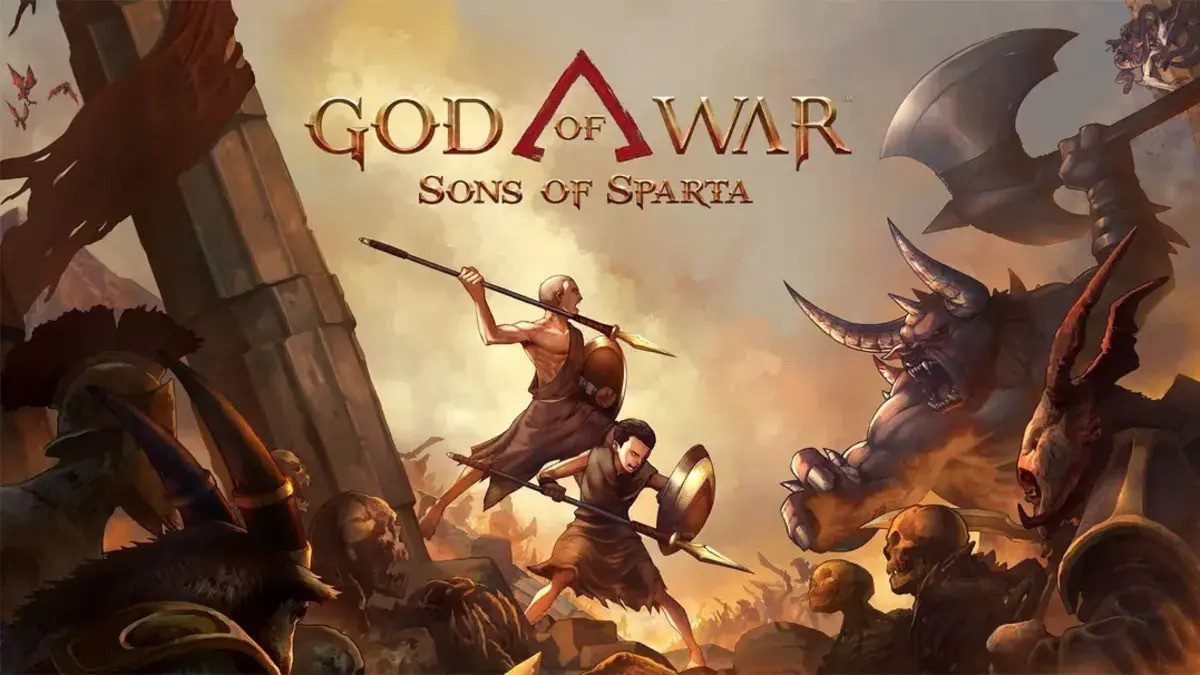
When Sony shadow‑dropped God of War: Sons of Sparta during its February State of Play, the reveal should have been a celebratory moment: a surprise prequel set during Kratos’ brutal youth, developed by Mega Cat Studios in partnership with Santa Monica Studio. Instead, the announcement ignited a firestorm—because the franchise’s original creator, David Jaffe, immediately and publicly condemned the project, calling it disrespectful to the license and fundamentally misaligned with what God of War represents.
The controversy has quickly become more than a critique of a single game. It has reopened long‑standing questions about creative ownership, the evolution of the franchise, and the circumstances surrounding Jaffe’s departure from Santa Monica Studio nearly two decades ago.
A Shadow Drop Meets a Shadow of Doubt
Sons of Sparta arrived without warning—a retro‑style 2D action platformer following a young Kratos and his brother Deimos during their harsh training at the Agoge. Sony positioned it as a canonical prequel, filling in narrative gaps from the Greek era.
But Jaffe’s reaction was immediate and scathing. In a nine‑minute video, he declared:
- The game “doesn’t respect the license.”
- Kratos is reduced to “just some generic f***ing kid.”
- The project is “total crap,” and he “can’t believe it was greenlit.”
- After playing the first hour, he “doesn’t like it” and “doesn’t recommend it.”
His frustration wasn’t subtle. It was the kind of visceral, unfiltered critique that only a creator who still feels deeply connected to his work can deliver.
Why Jaffe Thinks the Spin‑Off Misses the Mark
Jaffe’s objections go beyond simple dislike. His argument is rooted in what he sees as a fundamental misunderstanding of God of War’s identity.
1. Tone and Characterization
Jaffe believes the 2D format and youthful portrayal of Kratos strip away the mythic weight that defined the original games. In his view, the spin‑off reframes Kratos not as a tragic, rage‑driven antihero forged by trauma, but as a generic action‑platformer protagonist.
2. Aesthetic and Mechanical Shift
While Sons of Sparta embraces pixel art and Metroidvania‑style exploration, Jaffe argues that this retro reinterpretation dilutes the franchise’s signature cinematic brutality and scale. IGN’s reporting echoes this sentiment, noting that he called the game “boring,” “stupid,” and “an insult” to fans and the original creative team.
3. Canon vs. Spirit
Even though Santa Monica Studio insists the story is canon, Jaffe suggests that canon alone doesn’t make something God of War. To him, the franchise’s soul lies in its tone, thematic weight, and emotional intensity—elements he feels the spin‑off fails to capture.
A Familiar Frustration: The Long Shadow of Jaffe’s Exit
Jaffe’s explosive reaction has also resurfaced interest in his departure from Santa Monica Studio, a moment that shaped the franchise’s future.
While the new articles don’t recount his exit, the historical context is well‑known:
Jaffe left Santa Monica Studio after directing the original God of War (2005) and co‑creating God of War II (2007). His departure was driven by a mix of creative restlessness, a desire for independence, and disagreements over the franchise’s direction as Sony prepared to evolve the series beyond his original vision.
Over the years, Jaffe has spoken candidly about feeling constrained by AAA development cycles and corporate oversight. He has often expressed that he preferred smaller, experimental projects—an ethos that led him to form Eat Sleep Play and later pursue independent ventures. His exit wasn’t explosive, but it was rooted in a philosophical divide: Jaffe wanted creative freedom, while Sony wanted to scale God of War into a long‑term tentpole franchise.
That tension—between auteur‑driven vision and corporate franchise stewardship—still echoes today. And Sons of Sparta has clearly struck a nerve.
Why This Moment Matters
The timing of this controversy is notable. Alongside the spin‑off, Sony also announced a full remake of the original Greek trilogy.
For longtime fans, this should have been a nostalgic celebration. Instead, Jaffe’s comments have reframed the conversation around authenticity, legacy, and who gets to define what God of War is.
His critique isn’t just about a 2D game. It’s about the ongoing struggle between:
- Original creators who feel protective of their work
- Studios who must evolve franchises to reach new audiences
- Fans who are caught between nostalgia and innovation
Jaffe’s voice carries weight because he built the foundation. But the franchise has grown far beyond him—through Cory Barlog’s reinvention, through Norse mythology, and now through experimental spin‑offs.
The Bigger Picture: A Franchise at a Crossroads
Whether fans agree with Jaffe or not, his outburst highlights a deeper truth:
God of War is no longer a single creative vision. It’s a multi‑era, multi‑genre franchise navigating the tension between reverence and reinvention.
Sons of Sparta may be a small side project, but the reaction to it reveals how fiercely the community—and its original creator—still guard the identity of Kratos.
Sony’s willingness to experiment shows confidence. Jaffe’s fury shows passion. And the debate between them shows that God of War remains one of gaming’s most emotionally charged franchises.