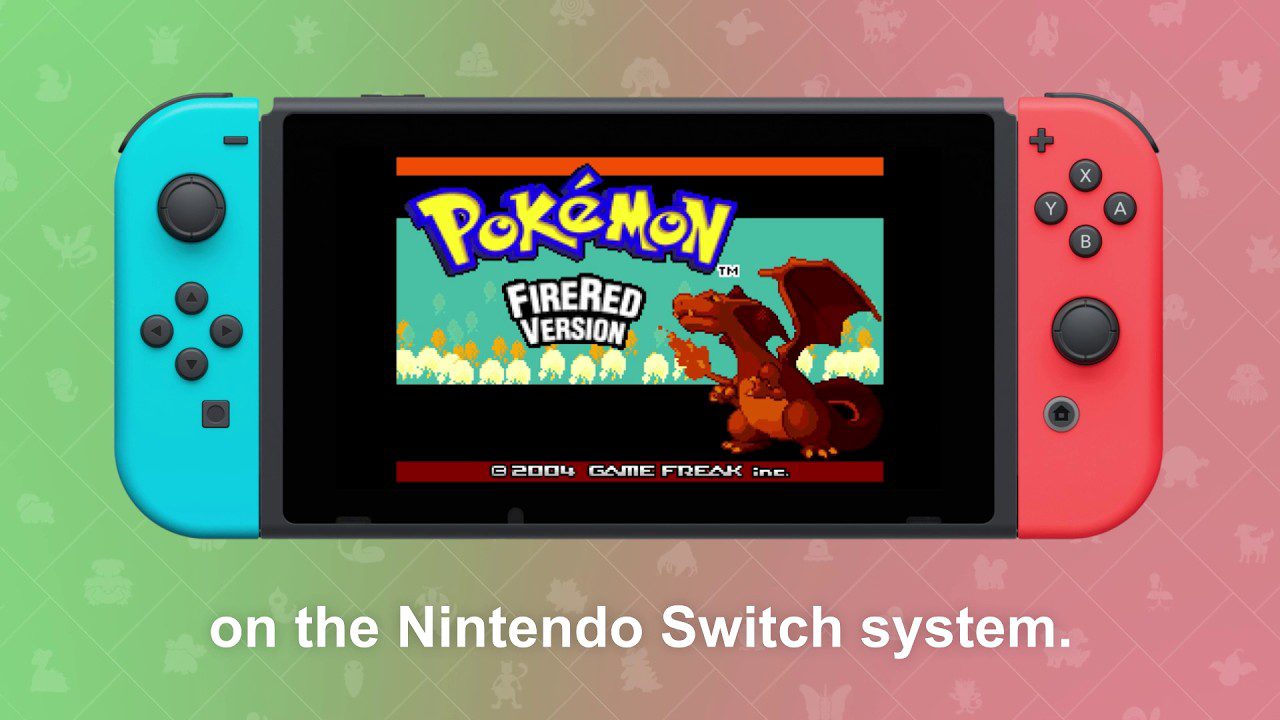
The Pokémon Company is preparing to turn its 30th anniversary into a moment of spectacle, and the timing of its announcements makes that intention unmistakable. With a new Pokémon Presents scheduled for February 27—Pokémon Day itself—the company has chosen to prime the celebration by confirming that Pokémon FireRed and Pokémon LeafGreen will arrive on Nintendo Switch immediately after the broadcast. The decision is already stirring conversation, not only because of the nostalgia attached to these remakes, but because of how they’re being delivered and what their release might signal for the franchise’s future.
The upcoming Pokémon Presents will stream at 6:00 a.m. PST / 2:00 p.m. GMT / 3:00 p.m. CET, marking three decades since the original Japanese launch of Pocket Monsters Red & Green in 1996. The Pokémon Company framed the broadcast as a celebration designed to bring “exciting updates and announcements across the Pokémon franchise,” a phrasing that has historically preceded everything from new game reveals to anime shifts to TCG expansions.
A Blast From The Past (and Past’s Past)
But the pre‑event surprise is what has captured the most attention: FireRed and LeafGreen will not be joining the Nintendo Switch Online retro library. Instead, they will be sold as standalone digital titles for $19.99 / £16.99 each, becoming the first Game Boy Advance Pokémon titles on Switch to bypass the subscription model entirely. Their release is timed precisely with the end of the Pokémon Presents broadcast on February 27, turning the presentation into a launchpad rather than a mere showcase.
This choice immediately raises questions about Nintendo’s evolving strategy for legacy Pokémon games. The NSO service has been the default home for classic titles, but Pokémon has always existed slightly outside Nintendo’s usual patterns. The franchise’s value, both commercially and culturally, gives The Pokémon Company the freedom to treat its back catalog as premium content rather than archival material. Selling FireRed and LeafGreen individually reinforces that stance, and it may hint at how future re‑releases—whether Emerald, HeartGold/SoulSilver, or even Black/White—could be handled.
Bracing ourselves!
The timing also invites speculation about what the Pokémon Presents might reveal. The company has not yet announced the next mainline entry in the series, and the 30th anniversary creates a natural stage for a generational shift. Historically, major anniversaries have been used to signal new eras: the 20th brought Sun & Moon, the 25th brought Legends: Arceus and Brilliant Diamond/Shining Pearl, and the 30th could be positioned to introduce whatever comes after Scarlet and Violet. Even if a full reveal doesn’t materialize, the broadcast’s framing suggests that the company wants fans to expect more than routine updates.
There is also the symbolic weight of choosing FireRed and LeafGreen as the anniversary’s playable centerpiece. These were the first remakes in the franchise’s history, designed to modernize the original Kanto adventure for a new generation. Bringing them to Switch on the exact date of the franchise’s birth feels intentional—a way of looping the series back to its origins while preparing to announce what comes next. It’s a reminder that Pokémon’s identity is built on reinvention as much as nostalgia.
The broader community is already treating the upcoming broadcast as a hinge moment. With the anime entering a new era, the TCG continuing to expand, and the games at a crossroads after the technical controversies surrounding Scarlet and Violet, the 30th anniversary arrives at a time when fans are eager for clarity about the franchise’s direction. The sudden re‑release of FireRed and LeafGreen only heightens that anticipation, functioning almost like a prelude to a larger statement.
Whatever the Pokémon Presents ultimately delivers, the message behind these early moves is clear: The Pokémon Company intends to make Pokémon Day 2026 feel like a milestone, not a routine check‑in. And by anchoring the celebration with two of the most beloved reinterpretations of the original adventure, it’s signaling that the past and future of the franchise are about to collide in a way that defines the next chapter.